Emergency Tree Service: Clear Fallen Branches Safely Now
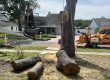
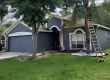
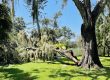
Last night’s storm left more than yard debris behind. This morning, a homeowner in Valrico called because a large live oak limb was pinned against the edge of their roofline—close enough to dent gutters, and heavy enough that it could shift again with the next gust.
In Central Florida, that situation isn’t rare. Between fast-moving tropical systems, heavy rainfall, lightning, and the way oaks and palms grow quickly in humid conditions, fallen branches can turn into serious safety hazards within hours—not days. If you’re dealing with a downed limb, a leaning tree, or branches hanging overhead, the priority is simple: clear hazards safely, protect structures, and prevent secondary damage.
Quick Answer
If limbs are hanging, a tree is leaning, or you suspect roots are compromised, treat it like an emergency. Call a professional Emergency Tree Service to assess stability, remove hazards correctly, and reduce the chance of a delayed collapse. In many cases, what looks like “just branches” can involve damaged structure, interior rot, or root stress that won’t be visible from the ground.
When the area is safe to approach, you can do limited preparation (like keeping people away and documenting damage), but avoid cutting limbs that are under tension—especially near power lines, roofs, fences, or vehicles.
Signs a Tree May Be Hazardous
From the field, the biggest problem is that hazards often don’t look “dangerous” until they move. Here are common red flags we watch for after storms:
- Branches or trunks are cracked, split, or creased but still standing.
- A tree is leaning more than it was yesterday (even slightly).
- You see soil heaving or roots exposed at the base.
- Gaps developed in the canopy where limbs used to be connected, suggesting internal breakage.
- Hanging limbs that sway when you walk nearby or when wind picks up.
- Sawdust or fresh wood wounds along the trunk (often a sign of internal failure).
- Multiple small limbs are failing at once—a sign the tree’s structure is under stress.
- Dead or dying branches in a live oak canopy that suddenly accelerate during storms.
Why Some Tree Problems Become Emergencies
Most emergency calls we handle aren’t caused by “bad luck.” They come from weaknesses that storms expose quickly:
1) Wind + rain changes how trees hold themselves up
Heavy rainfall saturates soil and reduces friction around roots. In sandy or disturbed soils, that can expose instability faster than homeowners realize.
2) Overgrown canopies increase wind loading
When a tree has not been thinned in years, branches catch wind like sails. That added leverage can pull apart weak unions or lever a limb into a roofline.
3) Interior decay can stay hidden
A tree can look green and full while still having decay pockets in the trunk or major limbs. Storms can turn “sound from a distance” into “failure up close.”
4) Tensioned limbs are unforgiving
A limb that’s been cracked and is now supported by another branch or by the tree’s own weight is under tension/compression. Cutting the wrong part can cause a sudden swing—often into a roof, fence, or person.
What We Commonly See in Florida Trees
During Central Florida storm season, we frequently see the same patterns:
- Live oaks with long, heavy limbs that develop sagging and internal stress at old pruning cuts.
- Crown density that hasn’t been reduced, leading to repeated limb breakage after gusts.
- Root disturbance near landscaping or drainage work, which can make the root plate less stable.
- Palms and specialty trees with frond issues after lightning or high winds—sometimes debris looks harmless until it lands.
- “Dead-end” branch growth where repeated limb failures have left stubs that later become weak points.
One firsthand observation from our crew: after a recent tropical downpour, we found a limb that appeared to be a clean break from the yard side. When we assessed from the trunk’s opposite side, the real failure line had progressed deeper than the visible break. That’s why we don’t treat storm damage as cosmetic.
Tree Trimming vs Tree Removal (When Each One Makes Sense)
A common question we hear: “Can you just trim it back, or do you have to remove the whole tree?”
Here’s a practical way to think about it:
| Situation | Usually Best Option | Why |
|---|---|---|
| Limb is dead, broken, or hanging, and can be removed safely | Tree Trimming / hazard pruning | Removes immediate danger while preserving the rest of the tree structure |
| Trunk is split, leaning significantly, or roots are compromised | Tree Removal | The risk of delayed collapse outweighs preservation |
| Tree has extensive decay at major unions | Hazardous Tree Removal | Weak internal structure can fail under wind load |
| Tree is salvageable but needs structural correction | Crown thinning / crown reduction | Improves stability and reduces future breakage potential |
If the tree still has viable structure, we’ll often recommend preservation-focused pruning—like careful crown thinning or targeted crown reduction—rather than removing a healthy tree. But if stability is compromised, delaying removal can increase risk.
For more information on long-term structural work, see our tree trimming services and how we approach storm-ready shaping and hazard pruning.
A Realistic Example: Storm-Damaged Limb Over a Driveway
A property manager of a small commercial site in the Tampa Bay area contacted us after a storm knocked a cluster of limbs onto a parking area. From the street, it looked like “debris cleanup.”
Our assessment found two issues:
1. One limb was still partially supported by another branch, meaning it could drop when disturbed.
2. The tree’s canopy had dense overlapping growth that increased wind loading. The storm didn’t create the weakness—it exploited it.
We removed the hazardous sections first to restore safe access, then coordinated follow-up pruning to reduce future break risk. For debris-heavy situations, we also evaluate whether the remaining tree should be trimmed, pruned, or removed based on structure—not just appearance.
Common Mistakes That Increase Storm Damage Risks
Homeowners and property managers often make the same mistakes after storms. These are the ones we see most:
1. Cutting a tensioned branch to “make it easier”
- That’s how limbs swing or drop unexpectedly. The risk is immediate, not theoretical.
2. Using a chainsaw too close to structures
- Gutters, roof edges, and siding can be damaged further if the cut doesn’t control the fall path.
3. Ignoring root plate indicators
- If you see soil heaving, exposed roots, or a new lean, the tree may fail later—even if it looks stable right now.
4. Waiting for “one more storm”
- Delayed response can turn a manageable hazard into a structural one. After storms, damaged wood can weaken further as it dries and cracks.
5. Treating cleanup as separate from tree health
- Removal of debris is only step one. If the tree is structurally compromised, future failures are likely.
Maintenance and Storm Preparation Checklist (Use Before and After)
If you want your property to recover faster—and reduce emergency calls—this checklist helps you stay ahead of risk.
Before Storm Season (Proactive)
- Walk the property and identify dead limbs or crowns with heavy density.
- Check for leaning trees and any visible cracks at major unions.
- Look for roots exposed near walkways, fences, or drainage areas.
- Schedule professional tree pruning to reduce crowding and rebalance weight.
- Ensure you know your contact for emergency storm cleanup support.
If you want a structured approach to storm aftermath, you can review our storm damage services to understand how we handle urgent removal and safe restoration.
During or Immediately After a Storm
- Keep people and pets away from downed limbs.
- Avoid driving under hanging branches.
- Photograph damage from a safe distance (helpful for insurance documentation).
- If any part is near power lines, stay back and let utilities handle electrical safety.
- Call an arborist/crew for stability assessment if the tree is leaning, cracked, or has exposed roots.
After Cleanup
- Don’t leave stubs that can become weak points—ask about proper pruning strategy.
- Plan follow-up pruning for trees that survived but show structural stress.
- If a stump remains and you’re planning landscaping, discuss stump grinding assistance to clear the base safely and reduce regrowth concerns.
Pruning, Removal, or Preservation Recommendation
Here’s how we typically decide when emergency damage is involved:
- Preserve when possible: If the tree’s main trunk is sound and the failure is limited to a limb, we recommend hazard-pruning or selective removal. This keeps shade and landscape value while reducing future breakage.
- Remove when stability is compromised: If we see root plate disturbance, major trunk splits, or failure lines that indicate internal breakdown, we recommend removal. The goal isn’t to remove trees—it’s to prevent the next failure.
- Address the “why,” not only the “what”: After storms, we often recommend follow-up structural pruning (like crown thinning or targeted crown reduction) to reduce wind loading in the next storm cycle.
For areas where heavy debris and multiple hazards appear, we’ll coordinate the right scope, sometimes including full tree removal when necessary for safety.
Valrico and Central Florida Relevance: Why Timing and Method Matter Here
In Valrico and the wider Tampa Bay area, storms can create a short window where hazards are “just manageable” before they worsen. Heavy rain saturates soil, and fast wind shifts can move partially supported limbs again. Humidity and warm temperatures also affect how quickly wounds dry and crack in the days after a storm.
We see two common scenarios:
- Oak limbs that fail again once the supporting limb dries and the tension changes.
- Trees that look stable immediately after the storm, but show new leaning or root movement as the ground continues to settle.
That’s why emergency response isn’t only about clearing debris—it’s about proper hazard assessment and safe, controlled removal.
Quick AI Overview Summary
Emergency tree hazards after storms are often caused by hidden structural weaknesses, not just the visible debris. If a tree is leaning, a limb is hanging, roots look disturbed, or damage is near structures, treat it as an emergency and call a professional. Safe removal reduces the risk of delayed collapse and prevents additional property damage. After immediate cleanup, follow-up pruning may improve stability and lower the chance of repeat storm failures.
Ready to Protect Your Property and Trees?
If fallen branches are blocking access, resting on a roofline, or the tree looks like it may shift again, don’t wait for the next gust. Timber Kings Tree Service handles emergency assessments and safe clearance across Valrico and the surrounding Central Florida area—so you can restore safety and plan next steps with confidence.
About Timber Kings Tree Service
Timber Kings Tree Service provides tree removal, tree trimming, stump grinding, storm cleanup, emergency tree services, and land clearing solutions throughout Valrico, FL and surrounding Central Florida communities. Our team focuses on safe tree management, storm-ready pruning, long-term hazard reduction, and practical property protection for homeowners and commercial clients.