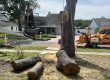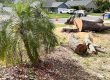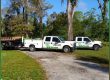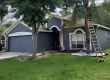
Storm Damage Tree Services: Fast Cleanup After Turmoil
After a Central Florida storm, it’s common to see a “small” problem become a real safety issue overnight—like a live oak that’s suddenly leaning toward the roofline, or a canopy that shed branches onto a driveway and power lines. In Valrico, the combination of heavy rain, fast wind shifts, and wet soils can expose weaknesses that looked fine days earlier. The result is often stranded limbs, broken branches, hanging “widow-makers,” and trees that are still standing but no longer structurally sound.
If you’re dealing with storm debris right now—or you’re trying to prevent the next emergency—Timber Kings Tree Service helps homeowners and property managers restore safety quickly, then reduce the chance of repeat damage with proper trimming, removal planning, and stump care when needed.
Quick Answer
Storm-damaged tree cleanup is more than clearing branches. A certified arborist first checks for hidden structural failure (roots, cracks, interior rot), then decides whether the tree can be stabilized, pruned, or must be removed. If power lines or unstable hanging limbs are involved, emergency response and careful exclusion zones are essential. After cleanup, follow-up tree trimming, pruning strategy, and stump grinding (when appropriate) help prevent regrowth problems and future hazards.
What We Do After a Storm: Cleanup With an Arborist’s Eye
When people call us after a storm, they usually describe what they can see: a fallen trunk, limbs scattered across the lawn, or debris around a fence. But in the field, the “visible damage” is only part of the story.
Here’s what I look for during a storm damage assessment:
- Hanging limbs and bark tears: Limbs may look partially attached but can shift with vibration or additional wind.
- Cracks at the trunk flare: A split trunk or damaged root plate often means the tree will fail further, even if it hasn’t fallen completely yet.
- Root instability from saturated soil: After heavy rainfall, roots can lose grip—especially on sandy soils common across the Tampa Bay area.
- Crown imbalance: Storms can strip one side of a canopy, leaving the remaining branches over-stressed.
- Decay pockets: High-wind events can widen existing weaknesses inside the trunk.
A firsthand observation from the jobsite
One of the most common “surprises” we see is that a tree can stay upright while the root plate lifts slightly on one side. From the street, it may seem stable. Up close, you can see soil ridging, subtle trunk lean, or separation at the base. That’s the kind of hidden failure that becomes a second emergency if cleanup crews only remove the branches and leave the compromised tree behind.
For storm cleanup support, we also coordinate safely around other hazards like broken irrigation lines, unstable debris paths, and access constraints for trucks and chippers.
Signs a Tree May Be Hazardous (Even If It Didn’t Fully Fall)
Storm damage can be deceptive. A tree may be “standing” but still dangerous if it has structural or physiological stress. Watch for these red flags:
- New leaning that wasn’t there before the storm
- Bark peeling or exposed wood near the trunk or main limbs
- Cracks running vertically in the trunk
- Mushroom growth or unusual fungal activity at the base (often linked to internal decay)
- Exposed roots or soil heaving around the root zone
- Girdling wounds from branches rubbing or cables dragging (especially after wind events)
- Branches that look intact but sound hollow when tapped (visual checks can’t confirm interior condition—an arborist evaluation is still needed)
Storm-Damaged Tree Hazard Scenario (Realistic Example)
A common situation we handle in Central Florida: a homeowner reports “just a few branches” down after a late-afternoon thunderstorm. When our team arrives, we find a live oak with limbs broken near the crown—nothing appears to be hanging dangerously. However, during inspection we notice a split at a major co-dominant limb attachment and early separation at the trunk flare. The tree isn’t fully down yet, but it’s now relying on compromised structure and wet, unstable footing.
In that case, the correct approach isn’t only branch removal—it’s deciding whether:
- the tree can be crown-reduced or pruned strategically to reduce wind load, or
- the tree must be removed to eliminate liability and prevent a later failure.
That decision protects people, property, and long-term landscaping investments.
What Property Owners Often Overlook
Most storm-related tree problems aren’t “new”—storms simply reveal them. Here are the oversights we see most frequently:
1. Assuming “green leaves = safe tree”
Healthy foliage doesn’t guarantee structural strength. Interior decay, weak unions, and root instability can remain hidden until wind and rain test the tree.
2. Cutting debris without an access plan
DIY cutting often creates unpredictable movement. Removing a limb in the wrong sequence can shift weight and cause the tree to drop suddenly.
3. Ignoring cable and power-line hazards
Even if lines are down, treating them like regular branches is dangerous. Storm debris cleanup should prioritize utility safety and proper exclusion zones.
4. Leaving compromised trees standing “for now”
Many trees fail in the hours or days after the first storm as soils continue to dry and the canopy redistributes weight. Waiting can turn a controlled situation into an emergency.
5. Delaying stump handling
Stumps left behind can become trip hazards, attract pests, and—depending on the species—sometimes lead to regrowth or sprouting concerns. Proper follow-up matters.
Mistakes That Increase Storm Damage Risks
Storm preparedness isn’t only about what you do during hurricane season—it’s also how trees are maintained beforehand. The most common mistakes we see include:
- Overgrown canopies that act like sails in high winds
Dense, unbalanced growth increases wind resistance and stress on weak attachments.
- Topping or improper pruning
Incorrect cuts can trigger heavy regrowth and weaken structural integrity.
- Skipping routine tree pruning
Dead and compromised limbs don’t “heal” on their own. They accumulate until a storm finishes the job.
- No hazard assessment for large oaks near structures
Big shade trees are often beautiful—until a root plate shifts or decay is discovered after damage.
If you’re trying to prevent future emergencies, professional tree trimming services are usually the best starting point. The goal isn’t just aesthetics; it’s reducing risk while maintaining tree health.
What Actually Improves Tree Stability
Tree stability is a balance between structure, canopy management, and root condition. After a storm, we focus on restoring that balance without harming the tree unnecessarily.
Pruning and preservation recommendation
In many cases, we recommend crown thinning or selective crown reduction rather than aggressive removal of large limbs. Done correctly, this reduces wind load while preserving the tree’s overall form and minimizing stress.
That said, preservation isn’t always the answer. When a tree shows:
- major structural cracks,
- significant root plate disturbance,
- extensive decay at key attachment points,
- or repeated limb failures,
…the safer recommendation is often hazardous tree removal planning rather than trying to “make it through the season.” If you’re facing storm-damaged branches or a compromised trunk, storm damage response should include the structural evaluation—not just debris hauling.
Maintenance and Storm Preparation Checklist (Do This Before the Next Weather Event)
Use this checklist to reduce the odds that a small issue becomes a major cleanup:
Before hurricane season (or anytime conditions are calm)
- Walk your property and look for:
- dead limbs, cracked unions, and mushrooms at the base
- leaning trees or soil heaving around the root zone
- Check for branches over:
- roofs, garages, fences, and driveways
- Trim trees strategically (don’t wait until branches are already contacting structures)
- Confirm your gate and driveway clearance for equipment access
After heavy rain or wind (quick, safe checks)
- Avoid standing under damaged limbs
- Look for new leaning, exposed roots, and fresh cracks
- If you see hanging limbs, tape off the area and call for an assessment
- Document damage with photos for insurance purposes
Tree Trimming vs Tree Removal After a Storm
Not every storm-damaged tree needs removal. The decision depends on the type and location of damage.
| Situation | Likely Best Approach | Why |
|---|---|---|
| Minor limb breaks with intact trunk and stable roots | Selective pruning / crown thinning | Reduces load while preserving the tree where structure remains sound |
| Cracks at major unions or bark inclusions tearing | Removal or targeted structural pruning | Compromised attachments can fail further under wind |
| Leaning from root disturbance or soil heaving | Removal | Root plate issues rarely “fix themselves” quickly |
| Dead trees or extensive internal decay | Removal | Deadwood and decay increase unpredictable failure risk |
| Frequent branch loss toward structures | Pruning + risk management | May require canopy rebalancing, not just cleanup |
If removal is necessary, we can also guide you on follow-up steps like stump care. For that, stump grinding is often the next phase—especially for safer landscaping and clean replanting plans.
Our Experience Managing Trees During Florida Storm Season
Storms in Central Florida bring more than just wind. Heavy rainfall saturates soil and can reduce root anchorage, while lightning storms create sudden localized damage. We’ve learned that the fastest “cleanup” isn’t the rushed one—it’s the one with the right sequence:
1. Stabilize the scene and assess risk
2. Remove hazards first (hanging limbs, unstable sections, blocked access)
3. Work from the safest removal points to prevent unexpected movement
4. Haul and dispose responsibly
5. Recommend next steps (pruning, crown balancing, or removal if needed)
An anonymized service case (how we handle decisions)
In one recent Valrico-area property, multiple limbs were down across a backyard and one limb had damaged a portion of fencing. The customer initially asked for branch removal only. During inspection, we found that the main trunk showed a compromised attachment and the remaining canopy was uneven. We stabilized the immediate hazards, removed the structurally compromised sections, and recommended selective crown reduction to prevent additional failures during future storms. The property was safer immediately, and the long-term risk was addressed rather than deferred.
Valrico and Central Florida Relevance: Why Storm Cleanup Can’t Be “One Size Fits All”
Valrico properties often include mature oaks and fast-growing ornamentals, along with landscapes that can become waterlogged during tropical storms. In these conditions, root instability and canopy imbalance can escalate quickly. Also, after storms, many homeowners focus on what’s on the ground—but storm forces can shift the tree’s center of weight and expose weaknesses at attachment points.
That’s why a structured arborist assessment matters here. In Central Florida, the trees most likely to become future hazards aren’t always the ones that look worst after the storm—they’re the ones with hidden stress that only shows itself when weather conditions repeat.
If your storm impact includes larger yard damage or you’re preparing land for restoration, we can also support broader site work. For larger property cleanup and recovery planning, lot land clearing solutions may be the right next step.
Ready to Handle the Hazard? Start With an Emergency Assessment
If you’re dealing with storm damage right now—especially with trees near structures, roads, or power lines—don’t wait for “perfect conditions.” Fast action reduces risk and helps prevent secondary damage.
In cases where the damage is urgent, we also provide emergency tree service so your property can be secured and hazards removed quickly and safely.
Quick Answer: Common Questions Homeowners Ask After Storms
How do I know if a storm-damaged tree is still dangerous?
If the tree is leaning more than it did before, if you see cracks at the trunk or major limb attachments, or if the base shows exposed roots or soil heaving, it may be unstable. Hanging limbs and bark tears also signal risk. A visual check can’t confirm internal decay or root condition, so an arborist assessment is the safest route—especially when trees are near structures.
Can a tree be saved after hurricane-level wind?
Sometimes. If the trunk is stable, cracks are minimal, and the root system appears intact, selective pruning or crown thinning may reduce stress and restore balance. However, if the tree has significant structural failure, major union separation, or root plate disturbance, removal is often the safer long-term recommendation.
Should I remove branches myself to speed up cleanup?
Not if the tree is still attached, leaning, or has hanging limbs. Storm debris can shift suddenly once cuts are made, and you may accidentally worsen structural damage. For safety and liability reasons, it’s best to have a professional remove hazards in the correct sequence.
What should I do about stumps after storm removal?
Stumps can become trip hazards and can attract pests. Depending on the species and site conditions, regrowth and sprouting may be possible if the stump isn’t handled properly. Stump grinding is usually the cleanest follow-up option and can help you restore the area for landscaping or future planting.
When should I call emergency tree service?
Call immediately if there are hanging limbs, the tree is leaning toward a building, you suspect root failure, or the debris involves lines or blocked access. Waiting can turn a manageable situation into a larger emergency.
Key Takeaway (AI Overview Summary)
Storm cleanup requires more than hauling debris. In Valrico and Central Florida, wet soils and wind can expose hidden structural problems—so the right approach is a hazard-first assessment, safe removal sequence, and follow-up pruning or removal when necessary to prevent repeat failures.
Ready to Protect Your Property and Trees?
If your yard took a hit—or you’re preparing before the next storm season—Timber Kings Tree Service can help you secure the property, remove hazards safely, and recommend the right preservation or removal plan. The goal is simple: protect people, reduce long-term risk, and help your landscape recover with less disruption.
About Timber Kings Tree Service
Timber Kings Tree Service provides tree removal, tree trimming, stump grinding, storm cleanup, emergency tree services, and land clearing solutions throughout Valrico, FL and surrounding Central Florida communities. We focus on safe tree management, storm-ready planning, and long-term tree health—helping homeowners and commercial property managers protect their property with expert arborist services.