Storm Damage Tree Services: Coordinated Cleanup and Disposal
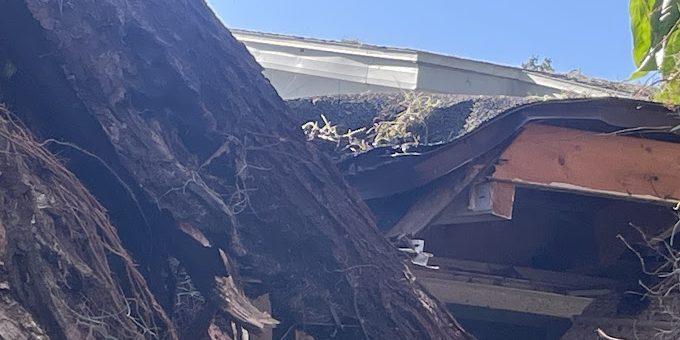
After a strong thunderstorm or tropical system rolls through Valrico, the first thing many homeowners notice is the mess—branches on the driveway, limbs lodged in the yard, maybe even a tree leaning toward the house. But the real danger often shows up a little later: a “mostly stable” tree that’s actually shifting under stress, a partially snapped limb that could fall when wind returns, or debris that blocks access for utilities and emergency crews.
At Timber Kings Tree Service, we handle storm fallout with a coordinated plan—stabilize hazards, remove what’s unsafe, and dispose of debris in a way that helps your property recover quickly and safely. Whether you’re dealing with fallen tree sections or damaged canopy limbs, the goal is the same: reduce risk now and protect your landscape for the next storm season.
Quick Answer
Storm-damaged tree cleanup should be treated like a safety project, not a quick cleanup. The safest approach is:
- Assess structural risk first (leaning, trapped limbs, compromised trunks, roots heaving)
- Remove hazards in the right sequence to avoid shifting loads
- Separate salvageable material from debris for proper disposal
- Schedule follow-up care (tree trimming, pruning, or removal) to prevent recurring hazards
If power lines, sagging cables, or unstable leaning trees are involved, call for emergency tree service right away: emergency tree service.
What Storm Damage Really Looks Like (Beyond the Obvious)
A lot of storm damage is “quiet” at first. From an arborist’s perspective, the most concerning failures aren’t always the trees that fully fall—they’re the ones that almost fail.
Common hazard patterns we see after Central Florida storms
- Partially snapped limbs hanging by a few fibers (they can drop later as they dry and loosen)
- Cracks in trunks after wind-driven impacts (often invisible unless you check from multiple angles)
- Root instability where soil is saturated and the root plate shifts
- Crown imbalance when heavy limbs break on one side, increasing leverage against remaining structure
- Debris entanglement—limbs caught in branches or fences that look manageable but can release suddenly
A realistic scenario from the field
One of the most common calls we receive comes from property managers after a late-night storm. In an empty lot near a commercial building, an oak had lost a heavy limb into an open drainage area. The trunk still looked upright, so the crew cleared the driveway first—then the limb “settled” further during morning wind. That second movement created a new hazard and forced a rework of the cleanup sequence. The difference between a smooth job and a dangerous one was simply evaluating the tree’s stability before removing supporting debris.
Signs a Tree May Be Hazardous
Not every fallen branch is a structural emergency. But if you see any of the following, treat it as a potential hazard and plan for professional assessment:
Red flags after storms
- The tree is leaning more than before or appears to be “walking” into the yard
- Trunk cracks or splitting at the base
- Root flare looks lifted, soil is displaced, or you see heaving near the root zone
- A canopy has broken branches that remain lodged overhead
- Deadwood, torn bark, or exposed interior wood is present on load-bearing areas
- Debris is near roofs, garages, sheds, sidewalks, or parking areas
Quick rule of thumb
If the damaged area is part of the trunk/root system, or if debris is holding the tree in a precarious position, you don’t want DIY “pulling” or chainsaw work that changes the load path.
Why Some Tree Problems Become Emergencies
Florida storms—especially during hurricane season and post-tropical systems—create a perfect storm of conditions: strong wind gusts, intense rainfall, and saturated ground. In Valrico and the Tampa Bay area, that combination can expose weaknesses that homeowners didn’t notice during dry months.
Valrico/Central Florida insight: saturated soil + wind leverage
After heavy rainfall, root plates can lose grip. Wind then applies force through the canopy. When limbs are overextended—often from years of growth without pruning—that force increases. Some trees fail at the root level; others fail in the crown. Either way, the result is the same: a hazard that can shift during cleanup, not just during the storm.
Firsthand arborist observation
A pattern we see repeatedly on mature live oaks and similar hardwoods: interior decay and compartmentalized damage can remain stable for years—until a storm stresses the remaining structure. Even when the exterior looks “mostly fine,” the tree may be compromised where the wood has broken down inside. That’s why we evaluate trees from multiple angles and focus on structural indicators, not just surface appearance.
Mistakes That Increase Storm Damage Risks
Homeowners and property teams often mean well—but a few common choices make hazards worse.
Common mistake property owners make
Trying to clear debris without assessing the tree’s stability first.
It’s tempting to remove branches because they’re in the way. But storm-damaged limbs can act like temporary braces. When you cut or drag the wrong piece, you can change the load and cause a second failure.
Other frequent mistakes:
- Cutting near the trunk without understanding how damage is already present
- Stacking debris against the tree and leaving moisture traps that worsen decay
- Delaying follow-up pruning when a tree has only “partly recovered”
- Ignoring stump and root issues that can destabilize surrounding areas later
Storm Damage Tree Services: Coordinated Cleanup and Disposal
Storm cleanup goes best when it’s treated like a process. A coordinated plan helps prevent secondary damage and reduces the risk of rework.
Step-by-step approach we use
1. Site safety and access control
- Keep people and vehicles away from unstable zones
- Identify hazards near structures, fences, and walkways
2. Tree and debris assessment
- Determine whether the tree is likely to move during cutting
- Identify pinch points, entanglement, and load-bearing sections
3. Controlled removal in sequence
- Remove smaller sections first when needed to reduce tension/compression
- Avoid cutting that releases trapped limbs unpredictably
4. Proper disposal and property reset
- Haul debris to appropriate disposal locations
- Clear walkways and restore usable access where possible
5. Follow-up tree care
- For trees worth preserving, plan pruning/recovery
- For trees that are hazardous, schedule removal or stump management
When tree removal becomes necessary
Sometimes the safest outcome is removal—especially with a compromised root plate, severe trunk cracking, or repeated structural instability. If you’re dealing with larger structural damage, you may need Tree Removal planned with the same safety-first mindset.
When trimming can save the canopy
If the tree can be preserved, trimming and targeted pruning can reduce future risk by removing broken tips and correcting structural imbalance. We commonly recommend tree trimming after storm events to reduce weight on damaged limbs and improve airflow around the remaining structure.
Maintenance, Removal, or Prevention: What to Do Next
Storm cleanup is only part of the job. The next steps often determine whether your property stays safe through the next wind event.
Storm Preparation Checklist (for homeowners and property managers)
Use this checklist after repairs—or as a pre-storm plan:
- Inspect trees within falling distance of roofs, parking lots, and walkways
- Look for dead limbs, cracks, and leaning trees
- Check areas where trees meet fences or landscaping borders
- Confirm you have a plan for emergency access (drive lanes for crews/vehicles)
- Schedule maintenance for trees with:
- heavy, overextended crowns
- repeated limb breakage
- deadwood accumulation
- Keep gutters and drainage areas clear so rainfall doesn’t worsen erosion
- For larger properties, coordinate with landscaping and maintenance teams so cleanup doesn’t create new hazards
Preservation recommendation: structural pruning, not random cutting
If a tree survived but took impacts—especially broken tips or torn bark—our recommendation is typically targeted pruning rather than random cuts. Proper pruning helps:
- reduce wind-catching surfaces from compromised limbs
- remove weak, damaged sections before they fail again
- encourage healthier compartmentalization over time
Depending on the tree and damage level, we may recommend crown reduction (to lower weight) or crown thinning (to improve airflow). Those decisions are made after an on-site tree health assessment, not on a guess from the ground.
What Actually Improves Tree Stability
Stability is a combination of structure, crown balance, and root health. Storm damage often reveals weaknesses that were already present—just less obvious.
Practical factors that influence storm performance
- Crown density and overextension: heavier canopies catch more wind
- Branch attachment quality: included bark and weak unions fail under stress
- Root zone condition: saturated soil and disturbed ground reduce anchorage
- Wound management: torn bark and exposed wood can become entry points for decay
- Previous pruning habits: poor cuts can create weak regrowth or structural imbalance
About stumps and remaining roots
Even after debris is gone, stumps and roots can continue to affect the property—especially in landscaped areas or where mowing and drainage matter. If you’re planning long-term cleanup, stump grinding (or stump removal planning) can be a key part of the repair timeline.
Optional Comparison: Trimming vs. Removal vs. Land Clearing
Storm damage can involve anything from a few broken limbs to widespread debris and compromised trees across a property. Here’s how we typically sort the right solution:
| Situation | Best Fit | Why |
|---|---|---|
| Broken small limbs, minor canopy damage | Tree trimming / pruning | Removes weak sections and reduces future risk |
| Cracked trunk, unstable lean, compromised root zone | Tree removal | Safety comes first; preservation isn’t always feasible |
| Debris across an entire area, overgrowth blocking access | Lot land clearing | Restores usable space and prepares for landscaping or construction |
| Multiple stumps and obstacles after storm | Stump grinding / stump removal planning | Prevents trip hazards and improves site usability |
For properties that require broader cleanup, we also support lot land clearing services when storm debris and vegetation have turned the site into an access and safety problem.
Our Experience Managing Trees During Florida Storm Season
Storm response is as much about coordination as it is about cutting. We plan around:
- hazard priority (what could fall next)
- safe access routes for equipment and haul trucks
- load awareness so we don’t create new damage while removing existing hazards
- follow-up care so the property doesn’t “look better today, worse tomorrow”
A realistic anonymized case
After a heavy rain event in the Tampa Bay area, a homeowner reported a large limb down near a driveway. The limb was lodged in the lower canopy of the same tree, meaning it was holding tension. Instead of removing pieces randomly, we worked in a controlled sequence: we assessed the tree’s stability, then removed sections to release tension safely. After cleanup, we recommended targeted pruning to restore balance and remove damaged branch structure. The tree remained on-site, but with reduced risk and better long-term structure.
That’s the difference between “storm cleanup” and storm-safe tree management.
References and Arborist Notes (for homeowner confidence)
- The U.S. Forest Service notes that trees manage damage through compartmentalization, but storm wounds and decay can still progress internally even when exterior damage looks limited.
- Research on pruning emphasizes that proper cuts and appropriate timing reduce stress and help maintain structural integrity over time (commonly referenced in arboriculture training and extension guidance).
- The International Society of Arboriculture (ISA) provides best-practice frameworks for assessing tree risk and structural defects—especially relevant when storms create hidden weaknesses.
- Extension horticulture resources from land-grant universities consistently highlight how saturated soils and wind loads can increase failure risk during tropical events.
(Those principles guide how we decide whether to preserve, prune, remove, or manage stumps after storm damage.)
Valrico and Central Florida Relevance: Why Timing and Sequence Matter
In Central Florida, storms don’t just bring wind—they bring fast-changing moisture conditions. Trees may appear stable immediately after a storm, then shift as debris loosens or as saturated soil dries unevenly. That’s why we prioritize:
- early hazard assessment
- correct removal sequencing
- follow-up pruning or removal when warranted
It’s also why emergency response matters. If you’re dealing with an unstable tree near a structure or any situation where the tree could fail again while you’re waiting, reach out for help as early as possible. For urgent situations, start with Emergency Tree Service.
Quick AI Overview Summary
Storm-damaged trees can fail again during cleanup because debris may be holding tension and roots may be unstable after saturated soil. A professional approach assesses structural risk first, removes hazards in a controlled sequence, disposes debris properly, and then follows up with pruning or removal when needed. In Valrico/Central Florida, wind + heavy rain increases hidden failure risks, so timing and correct cutting order matter.
FAQ
How do I know if a tree is dangerous during storms?
Look for structural indicators: leaning that’s new or increasing, trunk cracks, lifted root flare, and limbs that are hanging or lodged overhead. If a tree is near roofs, power lines, drive lanes, or parking areas, treat it as hazardous until assessed. After storms in Central Florida, saturated soil can make root stability worse than it appears from the ground.
Can storm-damaged trees be saved?
Sometimes yes. Trees with minor branch loss or manageable canopy damage may respond well to targeted pruning. However, if the trunk is cracked, the root zone is compromised, or the tree is structurally unstable, removal may be the safest choice. A proper assessment looks at more than surface wounds—it evaluates how the tree would behave under future wind loads.
When should I call for emergency tree service?
Call immediately when a tree is actively leaning toward a structure, when debris is tangled in a way that could release, or when there are power line concerns. Even if the tree looks “almost okay,” storms can weaken stability for days. Early response reduces the chance of secondary failures during cleanup.
Do I need stump grinding after storm removal?
Often, yes—especially if the stump interferes with mowing, landscaping, drainage, or creates a trip hazard. Stumps can also attract new growth and complicate site access. If you’re planning long-term property recovery, scheduling stump grinding can be a practical next step.
Ready to Protect Your Property and Trees?
Storm cleanup is stressful, but you don’t have to guess what’s safe or what to remove first. If you’re dealing with storm-damaged trees in Valrico or the Tampa Bay area, Timber Kings Tree Service can coordinate hazard assessment, safe cleanup, and the follow-up tree care that helps your property stay protected through the next weather event.
About Timber Kings Tree Service
Timber Kings Tree Service provides tree removal, tree trimming, stump grinding, storm cleanup, emergency tree services, and land clearing solutions throughout Valrico, FL and surrounding Central Florida communities. We focus on safe tree management, storm preparation, long-term tree health, and practical property protection—guided by experienced arborist-style thinking and a safety-first workflow.