Emergency Tree Service Response
If a tree came down during a storm in Valrico, TX, you are not alone. This guide helps you make the next few decisions safely: what to check immediately, what to document, when to call for tree removal, and how to plan clean-up so your property is protected without guesswork.
After the wind and rain pass, the yard can look “mostly okay” at first glance. Then you notice a leaning trunk near a driveway, branches resting on a roofline, or a stump that seems to be shifting as the ground dries out.
If you are trying to decide whether to wait, start cutting, or call for help, you need a clear plan. This guide walks you through the safest order of operations for storm cleanup and emergency tree service response around Valrico, TX, including what to look for before anyone touches the tree or debris.
Quick Answer
If a tree is down or visibly damaged, start by keeping people away from the area and checking for immediate hazards like power lines, unstable trunks, or blocked exits. Do not try to “small-cut” the tree when it is under tension or leaning. Take a few photos for documentation, then call a qualified tree care team to assess the safest removal approach and whether additional storm damage work is needed. For Valrico, TX homeowners, the practical recommendation is to contact Timber Kings Tree Service’s emergency tree service so the property can be stabilized and cleared correctly.
What to Check First
In the first hour, your goal is not to finish the job. Your goal is to prevent injuries and avoid making the situation worse.
Professional observation: If the tree is leaning, cracking, or resting against structures, it can shift suddenly. That is when “quick DIY fixes” become the most dangerous.
- Look up for power and utility lines. If any branches or the trunk are near lines, stay back and follow your utility provider’s guidance. Avoid touching anything that may be energized.
- Check stability. A trunk that is tilted, partially uprooted, or pinching a fence or roofline can release force as cuts are made.
- Identify where debris is headed. Watch for broken limbs that are still hanging, and note anything pressing against windows, siding, gutters, or roof shingles.
- Protect access. Keep vehicles, pets, and children away from the impact zone. If a walkway is blocked, do not step over unstable branches.
- Document before cleanup. Take a few clear photos of the tree, the contact points with structures, and the surrounding yard conditions.
Tree Removal
When a trunk is down, split, or hazardous, removal is usually the first step to restore safe access and prevent further damage.
Storm Damage Response
Storms can leave trees weakened, not just broken. A proper assessment helps plan what to cut now and what to address next.
Emergency Cleanup
When the situation is urgent, the priority is safety and stabilization before the yard can be fully cleared.
Main Things Customers Should Understand
Storm aftermath often involves more than “getting rid of the debris.” Trees can be damaged below the surface, and branches can fail later even if they look stable the day after the storm.
1) Hazardous trees are not always obvious. A tree may still be standing but have internal fractures, cracked unions, or root disturbance. That is why a tree health assessment matters after wind events.
2) The cut plan affects safety. Removal may require taking sections down in a specific sequence. If you cut in the wrong order, the trunk or limbs can swing or settle unexpectedly.
3) Cleanup includes what you cannot see at first. Broken branches can land in hidden spots, and fallen limbs can damage landscaping, fences, or buried utilities.
4) Follow-up tree trimming can be part of recovery. After storm breakage, some trees need selective tree pruning or tree cutting to remove damaged limbs and reduce future risk. For related work, you can review tree trimming in Valrico, TX.
Practical tip: If you are planning to restore curb appeal, focus on safety first. Once the area is stable, you can decide whether you need targeted pruning, crown reduction, or shaping rather than removing everything.
Why This Matters in Valrico, TX
In Valrico, TX, many properties are surrounded by mature shade trees and established landscaping. After storms, homeowners often deal with a mix of residential driveways, older tree planting, and tight placement near homes, fences, and outbuildings.
That combination changes the “easy cleanup” fantasy. When debris lands close to structures, the safest approach usually involves careful sectioning, protecting nearby surfaces, and confirming whether the remaining tree is still a future hazard. A local team familiar with storm damage response can help you choose the right next step, whether that is fallen tree removal, hazardous tree removal, or a broader storm damage plan.
| What you notice after the storm | What it often means | Typical next step |
|---|---|---|
| Trunk is down across a driveway or walkway | High-risk obstruction and unstable sections | Tree removal with debris handling and safe access restoration |
| Tree is still standing but leaning or cracked | Root or trunk failure potential | Tree health assessment and hazardous tree removal if needed |
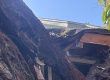
| Large limbs are resting on roofs, gutters, or fences | Contact damage and tension risk | Careful storm damage response and selective sectioning |
| Stump remains and you need the area usable again | Re-growth or trip hazard and yard access issues | Stump grinding or stump removal planning |
| Area needs clearing for a new layout | Vegetation overgrowth or mixed land debris | Lot land clearing with brush clearing and cleanup |
Need help planning storm cleanup safely?
Call Timber Kings Tree Service for guidance on what to address first, what can wait, and which tree care services fit your situation in Valrico, TX.
(813) 701-0498Common Mistakes to Avoid
After a storm, it is tempting to fix things quickly. These are the mistakes that most often lead to property damage or injuries:
- Cutting a leaning tree without a removal plan. Tension can shift the trunk or release force unexpectedly.
- Ignoring damage that looks “minor.” Broken limbs can leave internal weaknesses that fail later.
- Stepping over debris or going under hanging branches. Branches can settle as they dry or as weight shifts.
- Trying to remove a stump with the wrong tools. Stumps can be harder than they look, and improper removal can damage surrounding landscaping.
- Assuming the job ends when the tree is gone. Storm aftermath may also require brushing clearing, land clearing services, or further tree pruning.
Representative Storm Scenario (Anonymized)
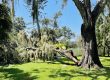
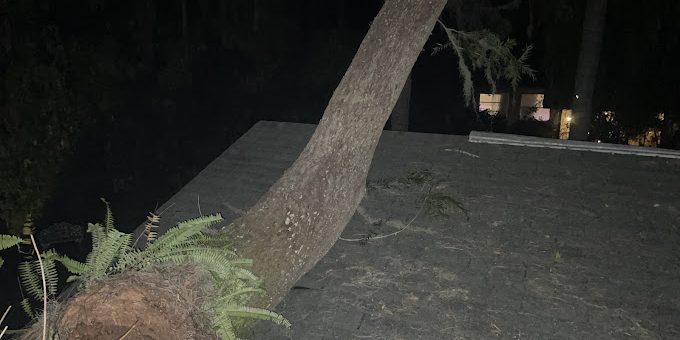
Imagine a Valrico homeowner who wakes up to a large tree down near the edge of the yard, with limbs tangled in fencing and a section resting close to a driveway. The homeowner clears loose branches, but the trunk remains partially wedged, and it shifts slightly when they pull at smaller limbs. After taking photos and keeping everyone away from the area, they contact a storm-damage-focused team to assess stability and remove the tree in a controlled sequence. Once the tree is removed, the team recommends follow-up tree pruning for remaining limbs that were damaged during the storm and a plan for stump grinding if the homeowner wants the area usable again.
Customer Checklist
Use this checklist as you prepare for the next step. It helps you communicate clearly and reduces back-and-forth when scheduling storm aftermath work.
- Keep people and pets away from the impact zone and blocked exits.
- Confirm whether any branches or the trunk are near power or utility lines.
- Take 5 to 10 photos: full tree view, contact points with structures, and the surrounding yard.
- Note any visible cracking, root lift, or trunk lean.
- Record what is blocked: driveway access, walkways, gates, or landscaping features.
- Decide whether you need more than removal: tree pruning, crown reduction, stump grinding, or lot land clearing.
- Ask about the best next step for your goals, such as stump grinding for quick yard usability.
Frequently Asked Questions
How do I know if a storm-damaged tree is safe to leave standing?
A tree can look “still standing” after a storm and still be hazardous. Watch for visible cracking, unusual leaning, root disturbance, and broken branches that did not fully detach. If the trunk has shifted, the ground around the roots looks lifted, or the tree is pressing against structures, it is usually a sign the tree should be inspected before anyone works near it. A professional assessment helps determine whether the safest path is hazardous tree removal, targeted tree pruning, or another approach based on tree health.
What should I do first if branches are on my roof or near my fence?
Start by keeping access limited and avoiding the area beneath the branches. Do not pull on limbs that appear to be holding the tree in place, because tension can change suddenly. Take photos showing where the limbs contact the roofline, gutters, or fence so the right removal plan can be developed. Then contact a tree service that handles storm damage response. Clearing the area safely is often the first step before any follow-up work like tree trimming or repairs are coordinated.
Do I need stump grinding after a storm, or is stump removal enough?
It depends on what you want the yard to become after cleanup. Stump removal can remove the visible portion, but stumps often still cause a trip hazard or interfere with mowing and landscaping. Stump grinding is commonly used to reduce the stump and allow more usable ground for the future. If you are preparing the area for new landscaping or want the space to feel clean again, grinding is usually a practical option. You can review Timber Kings Tree Service’s stump grinding to compare approaches for your situation.
My yard also has overgrowth. Can storm cleanup include land clearing?
Yes, many properties need more than tree removal after storms. When debris and vegetation are mixed, brush clearing and lot land clearing can help you restore open space and improve access. This is especially relevant if you are planning a new layout, preparing for construction, or simply want a cleaner, more manageable yard. A storm damage assessment can help separate what must be addressed immediately from what can be included in a broader land clearing services plan.
How can tree trimming help after a storm?
Tree trimming after a storm is often about removing damaged or broken limbs and shaping the remaining structure so it can grow more safely. Instead of a one-size-fits-all approach, a professional plan can focus on what is compromised and what can be retained. Depending on the tree and the damage, tree pruning may include crown thinning, crown reduction, or dead tree removal. This helps improve tree health assessment outcomes and can reduce the chance of future limb failures.
Get your yard back to safe access in Valrico, TX
If you are dealing with fallen tree removal, storm damage, or a stump you want handled before it becomes a bigger problem, Timber Kings Tree Service can help you plan the next steps.
Schedule with Timber Kings Tree Service