Tree Service Tips for Healthy Roots and Strong Growth
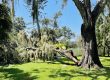
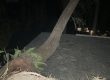
Last week, a homeowner in the Tampa Bay area called about an oak that “looked fine” from the street—until heavy rain arrived and the tree began to lean a little more toward the driveway. Up close, we could see exposed roots on one side and a small pocket of soil that had started to pull away from the trunk. That combination is a warning sign: the canopy can still look green, but the root system may be losing stability. In Central Florida, that’s exactly how some storm failures start—quietly, then all at once.
If you manage a home, rental property, or commercial lot in Valrico, healthy roots matter as much as healthy branches. Strong roots don’t just support growth; they help trees resist wind, shifting soil, and saturated ground during tropical storms.
Quick Answer
To keep trees growing strong in Valrico and nearby Central Florida communities, focus on three things:
1) Root and soil stability (avoid compacting the root zone, correct drainage issues, and don’t bury mulch against the trunk).
2) Smart pruning (reduce wind resistance and remove dead or hazardous limbs—not “shorten everything”).
3) Proactive hazard management (identify leaning trees, deadwood, weak unions, and signs of disease or pests before hurricane season).
What We Commonly See in Florida Trees
In our work around Valrico, the patterns repeat—because the conditions repeat: fast growth, humidity, frequent storms, and soil that can shift after heavy rainfall.
Firsthand arborist observation: the “green but unstable” tree
One of the most common scenarios I see is a tree that still has leaves and shade but has structural risk below the surface. When I inspect, I’m looking for:
- Root flare changes (the area where roots meet the trunk)
- Soil heaving or gaps around the base
- Fungal fruiting bodies or decay indicators near the trunk/major unions
- Cracks in the bark at branch collars
- Compromised attachment points where limbs grew too large too fast
A tree can look “healthy” above ground while roots, internal wood, or branch unions are weakening. That’s why a visual check from the curb isn’t enough when storms are in the forecast.
Tree growth in Central Florida can be a double-edged sword
Florida’s climate supports rapid canopy expansion. That’s great for shade and aesthetics—until the canopy becomes too dense or too heavy for the current structural framework. Dense foliage increases wind load, and poorly distributed weight can force the trunk to compensate, especially when soil is saturated.
Signs a Tree May Be Hazardous
Hazards aren’t always dramatic. Sometimes they show up as small changes that people ignore until a storm turns them into emergencies.
Signs that deserve a closer look
- Leaning or increasing lean (especially after storms)
- Dead branches or deadwood that doesn’t leaf out normally
- Cracks, splits, or seams at major branch unions
- Mushrooms/conks near the base or on the trunk (possible decay)
- Root exposure plus heaving soil or gaps around the trunk
- Repeated limb strikes on the same side of the tree (wind “beats” it there)
- Basal sprouts or unusual growth patterns after damage (often linked to stress)
A realistic hazard scenario (what we often encounter)
For a commercial property manager, the risk is usually liability plus downtime. We’ve managed cases where an overgrown live oak canopy extended over a parking lot light pole and storefront awning. The tree wasn’t falling—until a lightning-heavy storm hit. A limb broke internally (not from a visible dead section) and struck the ground near the walkway. Afterward, the owner realized the canopy had been “topped” years earlier, creating multiple weak, fast-growing regrowth branches that behaved like sails in the wind.
What Property Owners Often Overlook
People tend to focus on the parts they can see. Roots and structure are harder to evaluate, so they’re often neglected—until the soil turns wet and heavy.
Common mistake property owners make: “Mulch volcanoes” and buried trunks
A very frequent issue is piling mulch or landscape rock against the trunk. It may look tidy, but it can:
- trap moisture near the bark (inviting rot),
- weaken the root flare visibility and airflow,
- contribute to collar decay over time.
When storms come, decay and compromised structure can make a tree fail sooner than expected.
Another overlooked factor: pruning at the wrong time or in the wrong style
In Central Florida, trees can regrow quickly after heavy cuts. If pruning is done like “tree trimming for shape” instead of tree pruning for structure, you can unintentionally create:
- overly tight regrowth,
- large cuts that don’t heal well,
- and a canopy that’s heavier and more wind-prone.
Quick note on “DIY tree cutting”
If you’ve ever seen someone remove a limb by cutting partway through and finishing from the other side, you’ll know it can tear bark and damage the branch collar. That’s not just cosmetic—it can increase long-term failure risk.
Maintenance, Removal, or Prevention: A Root-to-Canopy Checklist
If you want trees to keep strong roots and steady growth, treat maintenance like a system: soil + roots + structure + ongoing monitoring.
Storm Preparation Checklist (use before hurricane season and after major rain)
Root zone and soil
- Keep mulch 2–4 inches away from the trunk (not piled against bark).
- Avoid parking vehicles or building patios over exposed root areas.
- Check drainage: if water pools for more than a day, consider addressing grading.
Canopy and structure
- Look for deadwood and broken tips after storms.
- Identify limbs over roofs, driveways, power lines, and walkways.
- Plan pruning to reduce weight and improve spacing—not just “make it smaller.”
Fallen-limb readiness
- Clear small branches so they don’t accumulate and block access points.
- Identify where you’ll store debris safely for pickup.
Emergency planning
- Know who will respond if a tree blocks a road or threatens a structure.
- Keep pets and people away from compromised trees after storms.
Tree Trimming vs Tree Removal (How to Decide)
Not every problem tree needs to come down. Many can be preserved with the right arborist services and timing—but some trees are too compromised for safe retention.
Preservation-first recommendations
In many cases, a certified arborist-focused plan includes:
- Tree pruning to remove deadwood, reduce sail effect, and improve clearance,
- Crown thinning to balance density,
- Crown reduction when weight needs to be lowered near structures.
When removal becomes the safer option
Removal is often the right call when we see:
- extensive internal decay at major unions,
- severe root failure or progressive lean,
- repeated limb failures with no stable structure left,
- or hazardous conditions that can’t be mitigated through pruning alone.
If you’re dealing with a hazardous situation, we’ll walk you through options and what each choice means for long-term safety.
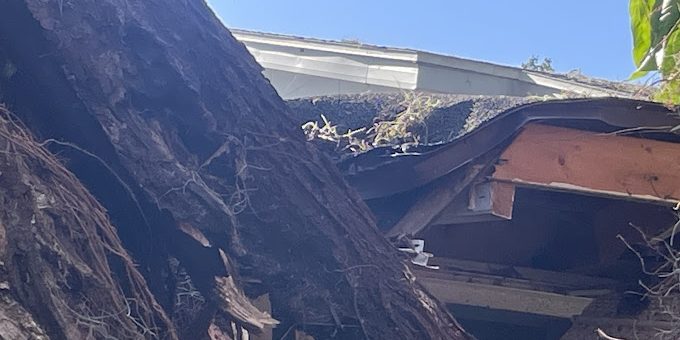
For more on structural risk cleanup, you may also want to review our approach to storm damage—because the “after” work is where many homeowners learn what was hiding in the “before.”
Our Experience Managing Trees During Florida Storm Season
Storms in Central Florida don’t just bring wind—they bring heavy rainfall, saturated soil, and rapid canopy loading. That’s why trees can fail even when winds don’t look catastrophic.
What actually improves tree stability
From an arborist perspective, strength comes from:
- correctly distributed branch structure (less weight on weak angles),
- healthy attachment points (pruning that supports proper healing),
- root stability (reducing stress, avoiding collar damage, managing soil compaction).
A realistic anonymized service case: preserving first, removing second
We responded to a residential call where an old, large limb overhung a garage and driveway. The homeowner wanted the tree “gone” immediately. During inspection, we found deadwood and a few weak unions, but the main trunk and remaining structure were stable. We recommended targeted tree trimming focused on removing dead sections, thinning density in the windward side, and reducing load where the canopy pushed closest to the structure.
Six months later, after another heavy rain event, the homeowner reported fewer nuisance breaks and no further contact with the roofline. In this case, preservation was the safest path because the risk could be reduced without removing the entire tree.
Mistakes That Increase Storm Damage Risks
Even well-meaning owners can increase risk with actions that seem harmless in calm weather.
Mistakes we see repeatedly
- Over-pruning or topping: creates multiple heavy regrowth shoots that are structurally weak.
- Ignoring deadwood: dead limbs can break unexpectedly, especially after lightning or wind shifts.
- Delaying action after the first storm: small cracks and root movement can worsen as soil settles and water cycles repeat.
- DIY stump removal without proper planning: leaving unstable debris or damaging nearby areas can create long-term hazards.
If your property has a stump that needs proper cleanup, professional stump grinding can prevent trip hazards, deter new sprouting, and help you reclaim usable space.
Valrico or Central Florida Relevance: Why This Matters Locally
Valrico sits in a region where storms arrive more frequently and soils can shift quickly after prolonged rain. Live oaks and other common landscape trees grow fast here, but that growth can increase wind load if the canopy gets dense or structurally unbalanced over time.
Also, Central Florida’s humidity and frequent rainfall can stress trees and contribute to disease pressure. That doesn’t mean you should be afraid of your trees—it means you should manage them with a realistic maintenance schedule and a safety-first inspection mindset.
Quick Comparison: Crown Thinning, Crown Reduction, and Removal
| Goal | Best Fit | Typical Result | Watch Outs |
|---|---|---|---|
| Reduce density and wind resistance | Crown thinning | Lighter canopy with better airflow | Over-thinning can reduce shade and stress the tree |
| Lower height near structures | Crown reduction | Less weight over roofs/driveways | Cuts must be planned for structure, not just “shorten” |
| Eliminate a true hazard | Tree removal | Removes risk entirely | Requires proper disposal and site safety planning |
| Manage regrowth after cuts | Ongoing pruning plan | Keeps structure stable long-term | Neglect after pruning can reverse benefits |
Key Takeaway
Healthy roots support strong growth, but storm readiness depends on the whole tree—roots, trunk stability, and canopy structure. In Valrico and across Central Florida, the best results come from early inspections, well-planned pruning, and hazard decisions based on structure rather than appearance.
AI Overview Summary
A tree can look healthy but still be unsafe if roots are unstable or internal decay weakens major branch unions. In Valrico’s storm-prone weather, prioritize root-zone health (avoid mulch against the trunk and soil compaction), schedule structural pruning to reduce wind load, and address leaning, deadwood, or root exposure early. After major storms, re-check trees because hazards can worsen as soil settles.
Ready to Protect Your Property and Trees?
If you’re seeing lean, exposed roots, dead limbs, or canopy growth creeping toward roofs and walkways, don’t wait for the next storm to find out what’s underneath. Timber Kings Tree Service focuses on safe, structure-based arborist recommendations—from preservation and pruning to tree removal when hazards can’t be mitigated.
About Timber Kings Tree Service
Timber Kings Tree Service provides tree removal, tree trimming, stump grinding, storm cleanup, emergency tree service, and land clearing solutions throughout Valrico, FL and surrounding Central Florida communities. The company focuses on safe tree management, long-term tree health, and helping homeowners and businesses protect their properties through professional arborist services and practical, storm-ready planning.