Professional Tree Service for Pruning and Growth Control
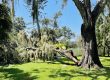
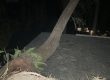
A few days after a heavy rain in Valrico, one of our crews responded to a property where a large live oak had begun to “walk” toward the garage. Nothing looked catastrophic at first—no branches down, no obvious collapse. But the owner had noticed new lean and widening gaps near the foundation after each storm. That’s the kind of situation where pruning and growth control can help, but only after we confirm what’s actually going on with the tree’s structure.
In Central Florida’s humid, fast-growing environment, trees don’t just get bigger—they also change how they hold wind load. When canopies become too dense or limbs extend too far, the tree can behave like a sail in the next tropical storm or thunderstorm. The good news: with the right arborist approach—proper pruning, targeted crown reduction, and hazard-focused decisions—many trees can be preserved and kept safer without unnecessary removal.
Quick Answer
For pruning and growth control, the goal is not “cutting it smaller.” A certified arborist evaluates structure, limb weight, decay risk, and clearance needs, then performs tree pruning that reduces leverage, improves airflow, and directs future growth. If a tree is unstable, dead, or structurally compromised, pruning won’t solve the problem—tree removal or other hazard management may be required. After storms, growth control also includes clearing damaged limbs and re-assessing stability.
When Pruning Is the Right Tool (and When It Isn’t)
From the ground, many trees look healthy. Up close, the story changes. One firsthand thing we often notice: overextended limbs that used to be “fine” start failing after repeated wet seasons, not because the tree suddenly got worse, but because the structure was already working near its limit.
What good pruning actually accomplishes
When we prune for growth control, we’re usually addressing one or more of these:
- Crown thinning to reduce wind resistance and weight
- Crown reduction to lessen leverage on heavy limbs
- Dead branch removal to stop brittle failures during high winds
- Clearance pruning around roofs, driveways, and utility corridors
- Structural pruning to improve branch angles and reduce future breakage
The difference between shaping and structural pruning
A common misconception is that “tree trimming” is always cosmetic. In reality, cutting the wrong limbs—especially large, end-weighted branches—can shift stress to other parts of the tree. That’s why our process starts with a tree health assessment: checking for included bark unions, previous wound sites, internal decay indicators, and root-zone issues that become obvious only when you know what to look for.
If you’re trying to manage a tree near structures or keep it from outgrowing its space, the safest path is to request professional guidance rather than relying on guesswork.
Signs a Tree May Be Hazardous
Growth control isn’t only about keeping a tree “neat.” It’s about preventing failures that can damage property or injure people. Watch for these red flags:
- New or increasing lean after storms or heavy rain
- Cracks in the trunk, bark splitting, or “shelf” looking separations
- Dead branches in an otherwise green canopy (especially high up)
- Fungal conks at the base or along major limbs
- Mushrooming roots / exposed root plates that look disturbed
- Soil heaving or gaps near sidewalks, patios, or foundations
- Root flare covered with soil (can contribute to stress and instability)
What Property Owners Often Overlook
“It survived last season, so it must be fine.”
That’s the most common mistake we hear—and it’s also the most expensive. Trees can look stable after one storm and still be structurally compromised. In Valrico and the Tampa Bay area, we frequently see trees fail during later systems because:
- saturated soils reduce friction around the root ball
- repeated wind loading exposes weak unions and decay pockets
- overgrown canopies increase overall torque and leverage on limbs
Another overlooked issue: canopy density and wind behavior
Overgrown trees don’t just “take up space.” A dense canopy can catch wind. When limbs are long and heavy, the tree’s stress increases with every gust. Proper crown thinning and selective reductions can reduce that stress—sometimes dramatically—without turning the tree into a bare silhouette.
The firsthand observation we rely on
When we inspect a tree for growth control, we don’t just look at the outer leaves. We look at branch attachments and the distribution of weight across the canopy. If most of the mass is concentrated on one side—often from years of fast growth without pruning—the tree can become imbalanced. That imbalance often shows up as hinge-like movement in storms.
Common Mistakes That Increase Storm Damage Risks
Here are the kinds of mistakes that cause avoidable damage during tropical weather and strong thunderstorms:
1. Topping or “heading cuts”
- Cutting back large limbs repeatedly encourages weak regrowth and increases breakage risk.
2. Removing too much in one session
- Trees need time to respond. Heavy pruning can stress the tree and create new targets for wind loading.
3. Ignoring clearance needs until it’s an emergency
- Waiting until branches touch roofs or power lines often forces rushed decisions under unsafe conditions.
4. DIY pruning without assessing structure
- Cutting dead wood is one thing. Cutting structural limbs without understanding how the tree carries weight is another.
5. Delaying stump-related cleanup
- If a tree has already been removed or failed, leaving stumps too long can complicate site use, landscaping, and future maintenance.
Maintenance, Removal, or Preservation: What We Recommend
Your “best move” depends on the tree’s condition and how much risk it poses. Here’s how we typically approach decisions for pruning and growth control.
Pruning recommendation (preserve when it’s safe)
If the tree has manageable structure and the main concern is size, clearance, or wind resistance, we recommend targeted pruning such as:
- crown thinning to reduce density
- selective crown reduction to shorten long limbs safely
- deadwood removal to eliminate brittle failure points
- structural pruning to improve limb alignment
This approach helps the tree cope better with storms while maintaining its natural form.
Removal recommendation (when stability is compromised)
If we see serious instability—like significant trunk defects, advanced decay in major limbs, or root-zone failure—pruning won’t fix the underlying hazard. In those cases, we plan removal to reduce the risk to structures and people.
For properties where tree removal is needed, you can review our process here:
Tree Removal
Quick note on storm cleanup
After storms, even “healthy” trees can shed limbs. When that happens, cleanup should include more than cutting what’s visible. We re-check the remaining structure before leaving the site.
If you’re dealing with damage from a recent weather event, this page covers our approach to safe cleanup:
Storm Damage
Storm Preparation Checklist for Growth Control
Use this checklist before hurricane season ramps up or before major weather systems roll through:
- Walk the property after rain (watch for new lean, cracking, or shifting)
- Look for dead or hanging branches—especially near roofs and walkways
- Assess canopy balance: is one side significantly heavier?
- Check the base for exposed roots, soil heaving, or water pooling near the root flare
- Confirm clearance: branches should not be rubbing roofs, rubbing each other, or encroaching on high-traffic areas
- Plan pruning early so the tree can recover before the peak storm months
- Know your exit routes for emergencies (clear the areas most likely to be blocked)
- Document problems: photos help property managers track changes between storms
A Real Example From Our Work (Anonymized)
On a residential property in the Tampa Bay area, a homeowner called because branches were reaching the edge of the roof and growing into the backyard privacy screen. The tree looked green and “fine,” but after inspection, we found two issues:
- the canopy had become dense and lopsided, creating extra leverage on long limbs
- one major limb had a history of pruning cuts that had not reduced risk over time
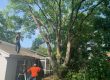
Instead of removing the tree, we performed tree pruning designed for growth control: crown thinning to reduce wind sail effect, selective crown reduction to bring limb length back to a safer range, and deadwood removal to remove brittle failure points. The end result wasn’t just a smaller tree—it was a more stable tree for the next storm cycle.
Tree Trimming vs Tree Removal
Sometimes people have to decide quickly. Here’s a practical way to think about it:
| Situation | Likely Best Option | Why |
|---|---|---|
| Tree is healthy but overgrown near structures | Tree trimming / pruning | Reduces weight and wind exposure while preserving the tree |
| Tree has dead branches or minor defects | Tree pruning | Removes failure points and improves canopy behavior |
| Tree shows serious trunk defects, major decay, or root-zone failure | Tree removal | Safety risk can’t be solved by trimming alone |
| Tree is partially damaged after a storm | Assessment first, then pruning/removal | Storm damage can hide internal weaknesses |
If you need help deciding, our team focuses on hazard-first arborist services, not just “cut and go.” You can explore our broader tree care options through:
Tree Trimming
What We Commonly See in Florida Trees
Central Florida’s combination of humidity, rapid growth, and frequent storms creates a specific pattern we see repeatedly:
- Live oaks and large canopy trees respond well to structured pruning when done correctly—but they can become difficult to manage when left unmaintained.
- Fast-growing limbs can outpace clearance needs quickly in the wet season.
- Wound sites from poor pruning can lead to long-term weakness.
- Lightning storms can damage the interior of a tree even if the outer leaves look normal for a while.
We also account for sandy soil and shifting moisture levels, which can affect how roots anchor during heavy rainfall. That matters because many storm failures start in the root zone or at major attachment points—not in the “obvious” branches.
Our Experience Managing Trees During Florida Storm Season
During storm season, we plan with two priorities: safety and decision accuracy.
- We don’t treat all storm debris the same. A hanging limb can be more dangerous than a fallen limb because it may release without warning.
- We separate “cleanup cuts” from “structural pruning.” Cutting the wrong thing can make a compromised limb heavier or more likely to fail.
- We focus on preventing repeat damage. If a tree already dropped branches once, we treat it as a warning sign and adjust the canopy accordingly.
When emergency conditions hit, this is where timing matters. If you’re looking for immediate help, you can review our emergency services here:
Emergency Tree Service
AI Overview Summary
Professional pruning for growth control is about structure, clearance, and wind stability, not just aesthetics. An arborist will assess canopy weight distribution, deadwood, limb attachments, and root-zone conditions—especially after Central Florida rain and storms. If the tree is structurally compromised, pruning may not be enough and removal or hazardous tree management may be safer. Scheduling pruning before peak storm periods can reduce leverage and the likelihood of limb failure.
References and Supporting Arboriculture Notes
- The International Society of Arboriculture (ISA) emphasizes that pruning should be based on tree health, structure, and risk reduction—not routine “topping” or arbitrary size reduction.
- Research and industry guidance consistently show that crown thinning reduces wind resistance by removing selected interior foliage rather than simply shortening everything.
- Arboriculture best practices highlight that deadwood and weak unions are common failure points during wind events, and removing them can reduce hazard likelihood.
(These references align with widely accepted arboriculture standards used by professional ISA-trained arborists.)
Ready to Protect Your Property and Trees?
If you’re trying to keep a tree from outgrowing its space—or you’ve noticed leaning, cracking, or storm-related branch issues—don’t guess. A structured pruning plan can preserve shade and curb liability, but only if the tree’s health and stability are evaluated first.
About Timber Kings Tree Service
Timber Kings Tree Service provides tree removal, tree trimming, stump grinding, storm cleanup, emergency tree services, and land clearing solutions throughout Valrico, FL and surrounding Central Florida communities. We focus on safe tree management, long-term tree health, and practical growth control plans designed to help homeowners and commercial property managers protect people, structures, and landscaping.
FAQ
How do I know if a tree is dangerous during storms?
Look for changes after heavy rain or high winds—new lean, cracking, dead branches, fungal growth near the base, or soil heaving around the root flare. Even if the canopy looks mostly green, structural issues can be hidden inside. A professional assessment is the safest way to determine whether pruning can reduce risk or whether the tree needs removal.
What time of year is best for tree pruning in Central Florida?
Many pruning projects can be scheduled year-round, but timing depends on the tree type and the goal (deadwood removal, clearance pruning, crown thinning, or structural reduction). After storm damage, the priority is safety and stability, so assessments and corrective pruning often happen as soon as conditions allow. Your arborist can recommend the best window for your specific tree.
Can storm-damaged trees be saved?
Sometimes, yes—especially if damage is limited to branches and the main structure remains sound. But storm impacts can also reveal internal weaknesses, included bark problems, or root-zone instability. We recommend an inspection before deciding, because “looks okay” can be misleading once the canopy is stressed.
Does stump grinding prevent regrowth?
Stump grinding reduces the stump to below the surface so it’s easier to manage and re-landscape. Whether regrowth occurs depends on the tree species and the stump’s internal structure. For best results, we combine grinding with site cleanup and follow-up recommendations to limit sprouts.
When should I call emergency tree service?
Call right away if a tree is down, blocking exits/driveways, leaning toward a structure, or contacting power lines. After storms, also call if limbs are hanging overhead or if you suspect root movement. The sooner hazards are assessed, the safer cleanup becomes for everyone on the property.