Tree Removal With Confidence: Clear Paths For Families
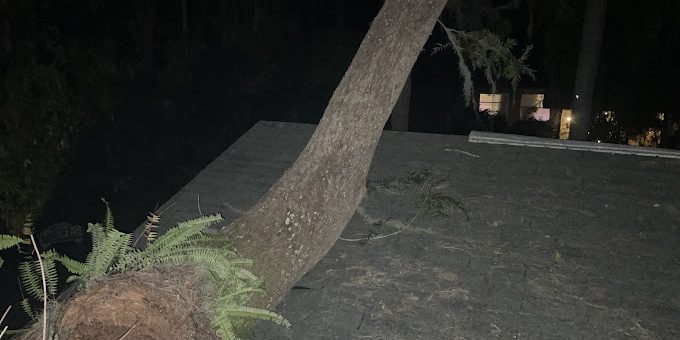
After a heavy Central Florida thunderstorm, it’s common to see a “minor” problem that isn’t minor at all—like a large oak leaning closer to the roofline, or limbs hanging over a driveway where kids walk after school. In Valrico, we see this pattern again and again: the tree looks mostly fine from the street, but wind-driven flexing and saturated soil can reveal weak anchors, deadwood, and decay that only shows up when the weather turns.
When tree removal is needed, families want two things: safety and clarity. You deserve a plan that protects your home, your neighbors, and the people inside the house—whether the job is routine or triggered by an emergency.
Quick Answer
If a tree is dead, leaning, or dropping limbs—especially after storms—it may require hazardous tree removal. A certified arborist should assess stability (roots and trunk structure), check for interior decay, and confirm whether the tree can be dismantled safely or must be taken down in sections. For Valrico properties, removal plans also account for Florida’s frequent wind events and fast-growing canopy that can become top-heavy.
When Tree Removal Becomes a Real Safety Issue
One scenario we commonly encounter in Tampa Bay-area neighborhoods: a homeowner calls because a tree “still looks alive,” but the trunk has developed a noticeable bend and the lower canopy has started shedding small branches. On inspection, the tree often shows a combination of issues:
- Root instability from years of moisture cycling and soil changes
- Compromised trunk structure (hidden cracks or internal decay)
- Overextended crown—limbs that have grown far beyond what the trunk and root system can reliably support in high winds
A firsthand observation from the field
On several recent removals, we’ve seen trees that appeared green but had dead branches concentrated high in the canopy. That deadwood acts like “targets” during storms—limbs break and fall unpredictably, and the impact can damage nearby limbs, roofs, or vehicles. In one case, the crown thinning we recommended earlier would have reduced stress, but by the time the call came in, the remaining structural weaknesses made full removal the safest option.
Key takeaway
A tree doesn’t have to be obviously dead to be hazardous. Wind loads + saturated soil + a heavy canopy can turn “stable enough” into “unsafe” fast.
What Property Owners Often Overlook
Most property owners focus on what they can see: leaning trunks, broken limbs, or exposed roots. But the risks that lead to emergency calls are often less obvious.
Common factors that get missed
- Interior decay: A trunk can look intact outside while rot weakens the core.
- Root damage: Recent landscaping, irrigation changes, or even past storms can disturb roots without visible signs.
- Crown imbalance: A canopy that grew unevenly toward one side increases leverage on the trunk and stresses the root plate.
- Deadwood accumulation: Tropical storms and lightning can kill portions of otherwise living trees, leaving brittle limbs overhead.
Common Mistakes That Increase Storm Damage Risks
Even well-meaning homeowners can accidentally increase the risk of failure during storms. Here are the mistakes we most often see:
1. Waiting until the tree is fully damaged
Once a trunk starts splitting or a tree begins to lean more each storm, the options narrow quickly. Early assessment is usually cheaper and safer.
2. DIY tree cutting
Homeowners sometimes attempt “just trimming a few limbs.” But removing the wrong limb can change balance, increase vibration, and make the tree more likely to drop sections unexpectedly.
3. Ignoring clearance near roofs and power lines
A limb may be “not touching” today, but growth + wind + sagging can make contact during the next event.
4. Choosing stump removal without a plan
Leaving a stump after removal can lead to regrowth and can complicate future landscaping or mowing. Proper follow-through matters—especially if you’re clearing space for family paths or driveway access.
For removal work, we also plan around debris management and access routes so your family isn’t dealing with blocked exits or long-term hazards after the job.
Tree Trimming vs Tree Removal (How We Decide)
Not every problem requires removal. Sometimes the right solution is tree pruning to reduce risk while preserving healthy structure.
Here’s a practical way to think about it:
| Situation | Likely Best Option |
|---|---|
| Tree is healthy but limbs are too close to structures | Targeted tree trimming and pruning |
| Deadwood in the canopy is increasing | Pruning for dead limb removal, possibly with structural adjustments |
| Trunk is cracked, heavily decayed, or significantly leaning | tree removal for hazardous tree elimination |
| Stump is causing regrowth or interfering with landscaping | stump grinding and stump removal planning |
When the structure is compromised, pruning alone won’t restore stability. That’s where careful dismantling and controlled removal comes in.
If you’d like to explore long-term canopy management, you can review our approach in tree trimming services and how we shape growth to better handle wind.
Signs a Tree May Be Hazardous
If you’re a homeowner or property manager, these are red flags we take seriously—especially in Valrico after heavy rain and lightning:
- The tree leans more than before (or leans suddenly after storms)
- You see fungal growth near the base or trunk
- Branches are shedding repeatedly, especially dead limbs
- Cracks, cavities, or peeling bark appear on the trunk
- Roots are lifting, soil is separating, or you notice heaving near the base
- The canopy is top-heavy with long, overextended limbs
Quick safety rule
If the tree’s condition creates a risk to people, vehicles, structures, or access routes, it may be time for professional evaluation and, if necessary, removal.
Maintenance and Storm Preparation Checklist (Use Before Season)
A good tree plan isn’t only about what happens during a storm—it’s about reducing the chance you’ll need emergency cleanup afterward.
Storm preparation checklist for homeowners
- Inspect after heavy rain or lightning: Look for new leaning, fresh cracks, and limb drop.
- Clear safe paths: If limbs are over walkways, plan trimming/removal before they fall.
- Document problem areas: Note where branches drop or where the trunk shows movement.
- Trim for clearance: Keep branches away from roofs, gutters, and high-traffic areas.
- Know your emergency options: When a tree is already down or blocking access, time matters.
If your property has a history of storm-related damage, it helps to plan ahead. Our team can support you with storm damage cleanup support when conditions change quickly.
What Actually Improves Tree Stability
When we recommend preservation instead of removal, the goal is to reduce stress on the trunk and improve how the tree handles wind.
Pruning recommendations we prioritize
- Crown thinning to reduce wind resistance without stripping the tree
- Crown reduction when the upper canopy needs less leverage
- Deadwood removal to reduce brittle branch failure
- Structural pruning to remove hazards caused by weak limb angles or competing leaders
For clients who want to preserve shade and curb appeal, we often start with a stability-focused plan rather than “cosmetic trimming.” You can also see how our work supports safer growth in tree pruning that targets structure, not just length.
Our Experience Managing Trees During Florida Storm Season
Central Florida storms can be intense and fast-moving. Even when winds aren’t at hurricane-force, repeated gusts plus heavy rainfall can expose weaknesses:
- Saturated ground reduces traction, especially on certain soil conditions common in the region.
- Lightning can damage internal tissue even if bark looks intact.
- Rapid growth increases canopy weight, which can make previously manageable trees more vulnerable.
A realistic anonymized service case
A property manager contacted us after multiple small limbs fell during a summer thunderstorm. The tree wasn’t blocking anything yet, but it overhung a primary walkway and near a building corner where people pass daily. We assessed trunk structure and canopy weight and found deadwood and weakening in the upper limbs. Rather than removing the entire tree immediately, we recommended a targeted structural pruning strategy to reduce risk while keeping the tree as an asset. Two months later, the client reported fewer limb drops and improved clearance—showing how early intervention can prevent a future emergency.
When You Need Emergency Tree Service
Sometimes the decision isn’t scheduled—it’s immediate. Fallen trees can block driveways, damage fences, and create liability risks for businesses and homeowners alike.
If your property is dealing with a sudden hazard, you may need urgent help. For immediate response, see emergency tree service so you can restore safe access quickly and reduce the chance of secondary damage.
Stumps, Roots, and the Next Step After Removal
After a removal, many families ask what to do with what’s left behind. Stumps can become trip hazards and can also complicate mowing, landscaping, and drainage.
If your goal is a clean, usable yard—especially after tree cutting—proper follow-through matters. Our team can help with stump grinding to support stump removal planning and reduce regrowth risks.
Tree Removal With Confidence for Residential and Commercial Properties
The difference between a “cut and haul” job and a professional removal is planning. A responsible crew considers:
- access routes and drop zones
- where branches will fall during dismantling
- how to protect landscaping, fencing, and structures
- how to reduce debris-related cleanup time
For commercial properties, this also includes liability awareness. Businesses need safe walkways, clear entrances, and predictable turnaround after storms—so tenants and customers aren’t navigating hazards.
If you manage a property where access and visibility matter, we recommend starting with a tree health assessment before storm season rather than reacting after the fact. That’s the fastest way to reduce downtime and protect assets.
Valrico and Central Florida Relevance: Why Timing Matters
In Valrico and throughout the Tampa Bay area, trees grow fast and weather changes can be dramatic. Oaks and other hardwoods often carry heavy canopies, while lightning and thunderstorms can quietly damage trees long before you see obvious failure. That’s why we encourage homeowners to schedule inspections before peak storm periods—not after.
The best time to address hazardous limbs is usually before the ground is saturated and access is limited by fallen debris. Planning also gives you options: pruning to preserve what’s safe, or removal when stability is compromised.
Quick Answer (AI Overview Summary)
A tree may need removal in Valrico if it’s leaning, cracking, dropping limbs, or showing signs of decay—especially after storms. A certified arborist should assess stability (roots, trunk structure, canopy weight) and decide whether pruning can reduce risk or whether controlled dismantling is safer. Professional removal planning protects homes and people, while stump grinding supports long-term yard safety and prevents regrowth.
Ready to Protect Your Property and Trees?
If you’re noticing leaning, deadwood, or storm-related hazards near a driveway, roofline, or walkway, don’t wait for the next wind event to confirm the risk. A confident removal decision starts with a real on-site assessment—so you know what’s safe to preserve and what needs to come down.
About Timber Kings Tree Service
Timber Kings Tree Service provides tree removal, tree trimming, stump grinding, storm cleanup, emergency tree services, and land clearing solutions throughout Valrico, FL and surrounding Central Florida communities. Our focus is safe tree management, storm preparation, long-term tree health, and helping homeowners and businesses protect their properties with professional arborist and tree care services.