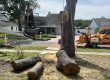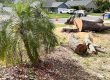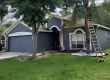
Tree Removal When Trees Threaten Structures or Driveways
A heavy rain hits Valrico, the creek swells a little, and suddenly that “fine-looking” oak by the driveway starts leaning more than it did yesterday. By morning, homeowners often notice cracks in the soil near the base, limbs contacting the roofline, or a trunk that looks slightly shifted after strong wind gusts.
In Central Florida, that scenario isn’t rare. Saturated ground, fast canopy growth, and frequent storm cycles can reveal weaknesses that were hidden during calm weather. When a tree threatens a structure or blocks a driveway, the goal isn’t just to remove it—it’s to do it safely, reduce the chance of collateral damage, and make sure the site is left stable for the long term.
Quick Answer
If a tree is leaning toward a home, has dead wood in the canopy, shows root or trunk failure signs, or has branches that repeatedly hit the roof or driveway during wind, it may be time for tree removal instead of continued trimming. In many cases, an arborist will recommend removal when the root system is unstable, when decay is present, or when the tree’s structure can’t be corrected with pruning.
At Timber Kings Tree Service, we assess stability, targets (rooflines, garages, fences, driveways), and the safest removal plan—then handle the cleanup and follow-up work like stump grinding and site clearing.
When Trees Threaten Homes and Driveways: What We Look For
From an arborist’s perspective, “threatening” usually means the tree has a clear path to damage targets—or it’s already showing early failure. During inspections, we typically evaluate three things:
1) The tree’s stability (roots + trunk + soil)
A tree can look healthy on the outside and still be unstable below ground. In Florida’s wet-season conditions, root plates can shift, especially if:
- the tree sits near a slope or drainage area
- soil has been disturbed (construction, landscaping, trenching)
- the tree was previously topped or over-pruned
- the root system is partially compromised by rot or excavation
Firsthand observation: One of the more common “surprises” we see is a tree that’s not obviously decayed until it’s stressed. After a storm, we’ll find the base has exposed flare roots or soft, compromised wood at the root crown—issues that weren’t as visible before the ground saturated and the canopy loaded in wind.
2) The tree’s failure points (deadwood, decay, weak unions)
Even live trees can become hazardous if:
- the canopy contains a lot of dead or brittle branches
- there’s a split trunk with included bark
- decay is present in the trunk or major limbs
- the tree has a history of storm breaks
A key detail: deadwood doesn’t “grow safer.” It typically becomes more brittle over time, and humidity in Central Florida can accelerate decay pockets. That’s why we treat dead tree removal seriously rather than waiting for the next storm.
3) The targets: rooflines, garages, driveways, and pedestrian areas
A tree may be structurally borderline but still “manageable” if it’s far from targets. But if it’s over a driveway, in line with utility corridors, or close enough to strike a roof during normal wind events, the risk multiplies.
That’s where a practical removal plan matters. “Cutting it down” isn’t the same as removing it safely—especially when the tree is near structures.
Tree Trimming vs Tree Removal (When Each Is the Right Call)
Some property owners assume trimming solves everything. Sometimes it does. But when the risk comes from failure potential—not just overgrowth—trimming can’t correct the underlying problem.
Here’s a simple guide we use in the field:
| Situation | Usually Better Option | Why |
|---|---|---|
| Limbs are contacting the roof/driveway but tree base is stable | Tree trimming | Reduces impact zone and wind loading without removing the whole tree |
| Large dead limbs or repeated storm breaks | Tree removal (often) | Dead wood can fail unpredictably; weight and leverage are high |
| Visible trunk cracks, significant lean, or root plate movement | Tree removal | Structural integrity is compromised; pruning won’t restore stability |
| Crown is dense and wind catches it like a sail | Tree pruning / thinning | Correct pruning can reduce wind resistance and breakage frequency |
| Rot/decay in major limbs or trunk | Tree removal | Decay affects strength; removing hazards often requires full removal |
If you’re unsure, start with a tree health assessment—and if removal is recommended, ask about cleanup, hauling, and whether stump removal is needed for safety and future mowing/land use.
For related work, you can also explore our approach to professional tree trimming services and how we reduce targets without creating new hazards.
Signs a Tree May Be Hazardous
Below are common indicators we see when a tree is moving from “normal maintenance” into “hazardous tree removal planning” territory:
- Leaning that increases after storms or heavy rain
- Cracks in the soil near the base or exposed roots with gaps underneath
- Fungal growth at the trunk base or major limb unions
- Bark peeling around a split or at the base (not just normal texture)
- Dead canopy areas or brittle branches that break with minor wind
- Mushrooms/conks (often a sign of decay in or near the trunk)
- Trunk hollowness or soft spots when checked from a safe, professional standpoint
- Previous storm failures (trees that have broken before often fail again)
A realistic hazard scenario
A commercial property manager called us after noticing a large live oak beside a building entrance. The tree hadn’t fallen, but it had dropped several limbs during a recent thunderstorm. After we examined it, we found a split in a major union and a section of compromised wood that didn’t support the canopy weight the same way anymore. Because the entrance walk is high-traffic and the tree sat directly over the approach path, the safest solution was removal—not repeated trimming.
What Property Owners Often Overlook
Common mistake: trimming the problem instead of fixing the risk
The most expensive and dangerous “fix” we see is when homeowners or landscapers repeatedly trim a tree to make it look better—while leaving structural issues in place. Over time, this can increase risk because:
- Removing too much canopy reduces stability and increases stress on remaining branches
- Improper cuts can create weak regrowth and open pathways for decay
- Cutting back to “clear space” can leave the tree with a more unstable shape
A second common mistake is delaying action when the tree is already showing early warning signs. In Central Florida, storms can come back-to-back. If you wait for “the next big wind,” you’re gambling with your roof, driveway, and landscaping—plus liability if the tree fails and damages a vehicle or sidewalk.
What Actually Improves Tree Stability
Not every hazardous situation ends in removal. When the tree can be preserved safely, correct pruning can reduce failure risk by improving structure and wind response.
In our work, “tree care” that prevents future emergencies usually includes:
- Crown thinning (selective thinning) to reduce wind load without stripping the tree
- Crown reduction when branches are over targets, done with proper technique and cutting structure
- Removing deadwood and correcting broken or hanging limbs
- Addressing weak unions when feasible (sometimes this still leads to removal if the union is too compromised)
- Tree shaping over time rather than aggressive one-season changes
When we recommend pruning, it’s because the tree’s core structure and root stability can support the canopy after targeted cuts.
Our Experience Managing Trees During Florida Storm Season
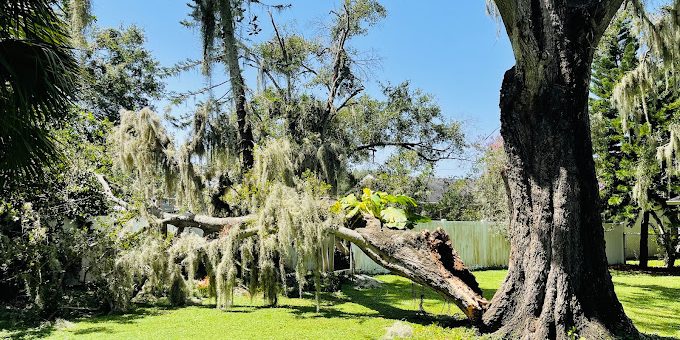
Storm cycles in Valrico and the Tampa Bay area can be intense: heavy rainfall, fast wind shifts, and lightning that knocks down dead or weakened limbs. One pattern we see repeatedly is that storm damage often begins with “small” failures—limbs break, then nearby branches start rubbing, then decay spreads, and eventually the tree’s structure can’t handle typical wind anymore.
Firsthand observation: In the aftermath of storms, we often locate “progressive failure” points—limbs that were already compromised. The storm doesn’t create every problem; it exposes what was already under strain. That’s why post-storm assessments matter, even if the tree didn’t fully collapse.
For storm-related cleanup and risk reduction, you can review storm damage services and how we approach fallen tree removal and debris management safely.
Maintenance and Storm Preparation Checklist (Homeowners + Property Managers)
Use this checklist before hurricane season—and again after any major storm.
Tree and property inspection checklist
- [ ] Walk the property after rain/wind: look for new lean, soil cracks, exposed roots, or fresh breaks
- [ ] Check the canopy for dead branches and hanging limbs over driveways or walkways
- [ ] Inspect trunks for splits, bark damage, or abnormal soft spots
- [ ] Confirm drainage isn’t compromised near tree bases (standing water can worsen root stress)
- [ ] Review targets: rooflines, garages, fences, parking areas, and pedestrian paths
- [ ] Ensure trim clearance exists around structures (not “maximum clearance,” but safe clearance)
- [ ] For commercial sites, document tree conditions for internal risk management
A Realistic Case Example (Anonymized)
A residential homeowner in the area contacted Timber Kings after a tropical storm. Their large tree partially blocked the driveway and scraped the edge of the garage roof during high winds. There was no full collapse—just enough movement to raise concern.
During inspection, we found:
- a noticeable shift at the base after the storm
- deadwood inside the canopy and brittle limb tips
- evidence of compromised structural support at a major union
Because the tree’s failure path could reach the garage and obstruct vehicle access again, we recommended removal with a plan designed to protect surrounding landscaping and the roofline. After removal, we handled cleanup and follow-up work so the driveway could be used safely while the homeowner decided on next steps for the landscape.
Valrico and Central Florida Relevance: Why This Matters Here
Trees in Central Florida grow fast, and storm intensity can be unpredictable. In Valrico, heavy rainfall saturates soil and can reduce root grip right when wind loads increase. Add humidity-driven decay risks and the fact that many properties have mature oaks close to structures, and you get a higher chance of hazardous failures during peak storm months.
That’s why we focus on stability—not just appearance. A tree can look “green” and still be unsafe when the ground is saturated or when internal decay weakens major support.
If you’re also planning changes to your property, consider land clearing solutions for driveway access, replanting, or post-storm site recovery planning.
FAQ
How do I know if a tree is dangerous during storms?
Look for changes that occurred after recent rain or wind: new leaning, cracks at the base, exposed roots, deadwood dropping, or fresh trunk damage. Also pay attention to trees that repeatedly strike roofs or block driveways. If you notice any of these signs, schedule an inspection—storm safety isn’t something you can accurately judge from a distance.
Can storm-damaged trees be saved?
Sometimes. Trees with minor broken limbs and stable roots may be candidates for targeted pruning and crown thinning. But if the trunk is cracked, the tree has shifted, or major unions are compromised, the safest option is usually removal. A professional assessment is the fastest way to avoid repeating the same risk after the next storm.
When should I call emergency tree service?
Call for emergency help if the tree is actively leaning toward structures, has fallen into power/traffic areas, or is blocking a driveway or walkway. If you can’t safely access the area without going under unstable limbs, treat it as urgent and request assistance.
Does stump grinding prevent regrowth?
Stump grinding removes the bulk of the stump and exposed wood, which helps reduce regrowth potential and eliminates trip hazards and mowing obstacles. However, regrowth depends on the tree species and root system. For many properties, stump grinding is a practical next step after removal, especially when you want the area to be usable again.
What’s the difference between tree cutting and proper removal planning?
Tree cutting can mean simply cutting the trunk and leaving the rest to chance. Proper removal planning considers targets, canopy weight, root stability, and safe rigging methods so the tree falls where it’s supposed to without damaging structures. That planning is especially critical when a tree is near roofs, fences, or driveways.
Quick AI Overview Summary
When a tree threatens a home or driveway, the safest solution depends on stability and targets. Trimming helps when the tree is structurally sound but overgrown. Removal is usually recommended when a tree shows lean, root or trunk damage, significant deadwood, decay, or repeated storm failures. After storms, inspections focus on roots, unions, and failure points to prevent repeat damage.
Ready to Protect Your Property and Trees?
If you’re dealing with a tree that’s leaning, dropping limbs, or creeping closer to your roof or driveway, don’t wait for the next storm to “confirm” the danger. A stability-focused inspection can prevent expensive damage and keep your property safer for vehicles, tenants, and visitors.
About Timber Kings Tree Service
Timber Kings Tree Service provides tree removal, tree trimming, stump grinding, storm cleanup, emergency tree service, and land clearing solutions throughout Valrico, FL and surrounding Central Florida communities. We focus on safe tree management, storm preparedness, long-term tree health, and helping property owners protect structures, driveways, and landscapes with professional arborist services. If you need help urgently, you can also explore emergency tree service solutions for storm-related hazards.