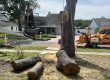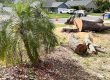
Storm Damage Tree Services: Restore Landscapes After Severe Weather
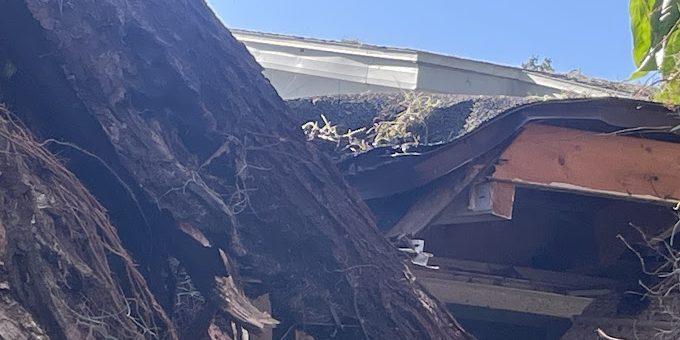
After a heavy rain and wind event in Valrico, we often get the same call: “A big limb is down near the driveway, and the tree looks like it’s leaning.” What starts as a simple cleanup request can quickly become a safety and liability issue—especially when roots are disturbed, branches are split inside the canopy, or a tree’s structure was already weakened long before the storm hit.
In Central Florida, storms don’t just bring wind. They bring saturated soil, lightning, and sudden gusts that turn “mostly fine” trees into emergencies. The goal after severe weather isn’t only to make the yard look normal—it’s to reduce the risk of repeat damage and help surviving trees recover properly.
Timber Kings Tree Service helps homeowners and commercial property managers restore landscapes after storms with safe removal, targeted trimming, and long-term tree care planning. If you’re dealing with storm damage right now, our priority is always hazard control first, then restoration.
Quick Answer
Storm-damaged trees can be dangerous even when they look “mostly intact.” The safest next steps are to keep people and vehicles away, identify unstable limbs or leaning trunks, and call an experienced arborist for an on-site assessment. Some trees can be preserved with proper pruning (not topping), while others require removal—especially when roots are compromised or the trunk is split. After cleanup, stump management and debris control help prevent regrowth issues and reduce future storm risk.
Signs a Tree May Be Hazardous
From the ground, storm damage can be misleading. Trees may hold their shape while internal damage—broken fibers, cracked stems, or compromised roots—sets them up to fail later. Here are common warning signs we look for during storm assessments:
- Leaning that wasn’t there before (even a slight shift can mean root plate movement)
- Cracks, splits, or bark tearing along the trunk or major limbs
- Hanging branches with visible sagging or “pinched” attachment points
- Uprooting or soil heaving near the base (roots may be partially pulled)
- Fungus growth or soft spots at branch unions or along the trunk
- Dead or broken tops that increase the chance of secondary failures
- Loose debris trapped in the canopy that can drop during regrowth or later wind
A realistic scenario we commonly see
A homeowner in a Tampa Bay-area neighborhood tells us their oak “only lost a few branches.” When we arrive, we find a different story: the tree has a partial trunk crack at the union, and the remaining canopy is now heavier and unbalanced. Removing only the visible limb would leave the cracked structure under constant stress. In this case, a controlled removal plan—or selective pruning if viable—was necessary to prevent the tree from failing the next time winds pick up.
What Property Owners Often Overlook
Most storm-related tree problems don’t start during the storm—they start earlier, and the storm simply exposes them. Here’s what we commonly see on Central Florida properties:
- Overgrown canopies that increase wind resistance and stress branch attachments. When branches grow long without proper pruning, they act like sails in gusty conditions.
- Weak branch unions (often from poor natural structure or earlier improper trimming). Storm wind can widen these weak points quickly.
- Hidden internal decay that remains undetected until a trunk crack or broken limb reveals it.
- Root instability from repeated saturation. Florida storms can saturate sandy and clay-mixed soils, reducing root grip and increasing failure risk.
- “Looks healthy” assumptions. A tree can have healthy leaves and still have a compromised structure, especially after lightning or previous limb impacts.
Why Some Tree Problems Become Emergencies
Storm damage becomes urgent when it affects people, property, utilities, or the structural integrity of the tree. In Central Florida, two factors often turn damage into a fast-moving situation:
1. Lightning and wind together
Lightning can weaken internal tissues. A later wind gust then breaks what was already compromised.
2. Rain-saturated soil
Heavy rainfall reduces friction between roots and soil. Trees that might survive normal breezes can fail during sustained wet-wind conditions.
And here’s a firsthand arborist observation from our work: we frequently see “secondary damage” right after cleanup. A limb that was cut at the wrong spot or left partially attached can act like a hinge. During subsequent gusts, it can drop unexpectedly—especially when the remaining attachment point dries and shrinks.
Mistakes That Increase Storm Damage Risks
Even well-meaning property owners can accidentally increase the danger. These are the common mistakes we see again and again:
- Trying to remove storm limbs yourself
Storm-weakened limbs can break in unpredictable directions. Also, ladders and chainsaws aren’t a substitute for proper rigging and load control.
- Topping or “leveling” a damaged tree
Cutting large sections back to flat surfaces encourages weak regrowth and can worsen storm risk.
- Leaving split limbs partially attached
Partial attachments can hold for a moment—and then fail later. If it’s compromised, it usually needs a proper cut and plan.
- Ignoring the base and roots
People focus on what’s above ground. But if soil has heaved or the tree is leaning, the root system may be failing.
- Delaying cleanup too long
Debris can trap moisture and attract pests. Stumps can also become structural hazards if they’re not managed correctly after removal.
Tree Trimming vs Tree Removal
Not every storm-damaged tree has to be removed. The right decision depends on structure, attachment points, and whether the tree can recover safely.
| Situation | Often Recommended Action | Why |
|---|---|---|
| Broken limb with clean attachment and strong structure | Targeted pruning | Restores balance and removes compromised tissue |
| Minor canopy loss but intact trunk and stable roots | Selective trimming / crown thinning | Reduces future wind stress without creating weak regrowth |
| Trunk split, severe leaning, or root plate movement | Tree removal | Failure risk is too high to “manage later” |
| Dead top or repeated limb failures | Dead tree removal or hazard pruning | Removes predictable failure points |
| Uprooting risk near structures/driveways | Removal with controlled rigging | Protects buildings, vehicles, and people |
If you’re unsure, a tree health assessment after storms is the best first step. It’s also where we consider long-term outcomes—what the tree will look like six to twelve months after repairs, not just the next sunny day.
For more on how we approach structural cuts, you can review our professional tree trimming services and see how we tailor pruning to the tree’s natural form and storm stability goals.
Our Experience Managing Trees During Florida Storm Season
Storm work is different from routine pruning. After wind and rain events, we’re often working around shifting debris, unstable limbs, and compromised attachment points. Our process typically looks like this:
1. Site safety and hazard control
We establish exclusion zones and identify what’s at risk—driveways, rooflines, fences, and nearby trees.
2. Tree-by-tree structural assessment
We inspect unions, cracks, leaning angles, and signs of root disturbance.
3. Damage mapping and removal planning
We plan how the weight will move during cuts (rigging matters).
4. Controlled cleanup and restoration
We remove hazardous material first, then restore sightlines and landscaping where feasible.
5. Follow-up tree care guidance
If preservation is possible, we recommend the right next pruning steps and timing.
A preservation-focused recommendation we frequently make
When a tree loses smaller branches but the trunk remains sound, we often recommend crown thinning or selective pruning rather than heavy cuts. This reduces wind load without forcing the tree to regrow from weak, overly vigorous sprouts. Crown work should be designed to improve stability—not just aesthetics.
For homeowners who suspect more severe damage, we also provide a dedicated storm approach through storm damage tree services, including emergency assessment and cleanup planning.
Maintenance, Removal, or Prevention: Storm Recovery Checklist
If you’re responsible for a property after a storm, use this checklist to guide your next 24–72 hours.
Storm recovery checklist
- Keep distance from damaged trees (especially anything leaning or with hanging limbs)
- Check the base for soil heaving or uprooting signs
- Look for trunk cracks and bark tearing at major unions
- Remove vehicles and valuables from under branches that may drop
- Document damage if you’re working with insurance (photos from safe distances)
- Call an arborist for assessment before you cut anything structural
- Plan debris removal so it doesn’t block drains or create new hazards
- Consider stump management if a tree was removed (don’t leave hazards behind)
- Schedule follow-up pruning only after the tree is assessed for recovery and stability
If your storm cleanup also includes property access issues, you may need broader groundwork. For that scenario, we offer lot land clearing services to safely remove storm debris and prepare the property for landscaping, repairs, or construction.
Common Recovery Scenario: What We Typically Do
Here’s an anonymized example based on recent storm cleanup work in the Tampa Bay area:
A commercial property manager contacted us after a tropical storm delivered high winds and heavy rainfall. Several trees lost limbs, and one mature oak showed fresh leaning near the edge of a parking lot. The initial assumption was “just cleanup.”
On inspection, we found:
- multiple broken limb unions that were still partially attached
- trunk stress lines consistent with storm impact
- root disturbance at the leaning tree’s base
We removed the hazardous tree sections using controlled rigging, cleaned hanging debris to prevent secondary falls, and performed targeted pruning on surviving trees where preservation was structurally feasible. After cleanup, we discussed stump management so remaining hazards didn’t become future trip risks or storm-failure points.
References and Arboriculture Facts (Why This Matters)
A few data points help explain why storm decisions should be based on structure—not appearances:
- The International Society of Arboriculture (ISA) emphasizes that proper pruning and assessment are key to reducing risk, because incorrect cuts can create long-term weakness.
- Arboriculture research and industry guidance consistently highlight that root damage and soil conditions are major predictors of tree failure, especially after heavy rain events that reduce anchorage.
- The U.S. Forest Service has documented how natural and human-caused stressors (including storm impacts) can increase susceptibility to decay and subsequent failure if damaged tissues are not addressed properly.
We use these principles during on-site evaluations—because the “right” storm plan depends on biology and structure, not just what’s visible.
Valrico and Central Florida Relevance: What’s Different Here
Valrico properties experience the same storm threats as the broader Tampa Bay region, but local conditions shape how trees fail:
- Fast canopy growth in Florida’s warm, humid climate means trees can become overextended quickly.
- Saturated soils during storms reduce root stability and increase the likelihood of leaning or uprooting.
- Frequent lightning can cause internal damage that isn’t obvious until wind or additional weather stresses the tree.
- Heat and humidity can accelerate stress responses and make recovery planning more time-sensitive.
That’s why we recommend storm-season readiness—not just post-storm cleanup. When trees are already trimmed back from weak unions and overly dense canopies, storm damage is often less severe and easier to manage safely.
Ready-to-Act Guidance for the Next Storm
If you want to reduce risk before the next severe weather system arrives, focus on structural health and emergency readiness:
- Assess high-risk trees early (especially near roofs, power lines, and walkways)
- Remove deadwood and reduce hazardous weight through appropriate tree pruning
- Address leaning or cracked trees immediately rather than waiting “until it gets worse”
- Plan emergency access routes for crews and for safe equipment movement
- Manage stumps and debris so damaged sites don’t create new trip hazards or regrowth issues
If you need immediate help, our emergency tree service is built for the moment after the storm—when safety and speed matter most.
For properties that need post-removal cleanup and safer grounds, we also offer stump grinding assistance to help restore usable space and reduce future maintenance headaches.
Optional: A Simple Decision Guide for Property Managers
If you manage multiple sites, use this quick guide:
- If a tree is leaning, cracked, or near a structure → treat as hazardous and schedule an assessment.
- If a tree lost branches but remains stable → ask for preservation-based pruning recommendations.
- If roots were disturbed or the base is unstable → plan for removal, not “monitoring.”
- If debris blocks access or drainage → coordinate cleanup quickly to prevent secondary flooding hazards.
Quick Answer (AI Overview Summary)
Storm-damaged trees can be unstable even if they look intact. In Valrico and Central Florida, wet soil and lightning-driven internal damage increase failure risk. The safest approach is to keep people away, assess trunk and root stability, and choose preservation pruning or controlled removal based on structure. After cleanup, manage stumps and debris to reduce hazards and improve long-term recovery.
FAQs
How do I know if a tree is dangerous during storms?
Look for signs like fresh leaning, cracked trunks, bark tearing at major limb unions, hanging limbs, or soil heaving around the base. If the tree is near a roof, driveway, fence, or walkway, treat it as higher risk. After heavy rain and wind, stability can change quickly—so an on-site arborist assessment is the safest way to confirm whether trimming can make it safer or whether removal is necessary.
Can storm-damaged trees be saved?
Sometimes. Trees with intact trunks and stable roots may recover with selective pruning that removes compromised tissue and reduces wind load. However, if there’s a trunk split, severe leaning, or root plate movement, preservation may not be safe. The decision depends on structure and attachment points, not just how much foliage remains.
What time of year is best for tree trimming in Florida?
Florida’s growth is year-round, but storm-related pruning should follow an assessment rather than a calendar. For safety, we often prioritize emergency work first, then schedule structural or corrective pruning when the tree’s stress level and recovery conditions are appropriate. Your arborist can recommend timing based on the species and the type of damage.
Should I grind stumps after a tree is removed?
In many cases, yes—especially if the stump creates trip hazards, interferes with landscaping, or can become a future maintenance problem. Stump grinding also helps restore the property to a cleaner, more usable condition. If you’re planning further land improvements, stump management is usually a smart step in the restoration timeline.
When should homeowners call emergency tree services?
Call immediately if a tree is leaning, has hanging limbs above people/vehicles, is blocking access, or appears to be unstable near a structure. If you suspect utility risk—especially after lightning—don’t approach the tree. Emergency service is about preventing secondary failures while keeping your property and loved ones safe.
Ready to Protect Your Property and Trees?
If you’re dealing with storm damage—or want to prevent it from becoming an emergency—Timber Kings Tree Service can help with safe assessments, restoration-focused cleanup, and long-term tree care planning. The best time to reduce storm risk is before the next system arrives, and the safest time to start recovery is right after hazards are identified.
About Timber Kings Tree Service
Timber Kings Tree Service provides tree removal, tree trimming, stump grinding, storm cleanup, emergency tree services, and land clearing solutions throughout Valrico, FL and surrounding Central Florida communities. We focus on safe tree management, storm preparedness, long-term tree health, and helping property owners protect structures, landscaping, and people through professional arborist-led tree care services.