Fallen-Forest Fix: Emergency Tree Service Coordination
When a storm drops limbs, twists a trunk, or leaves a tree hanging after impact, homeowners in Valrico, TX face a time-sensitive safety and cleanup decision. This guide helps you coordinate the right tree care steps, understand what to check on-site, and communicate clearly with a tree service so the work can move forward safely.
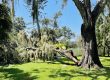
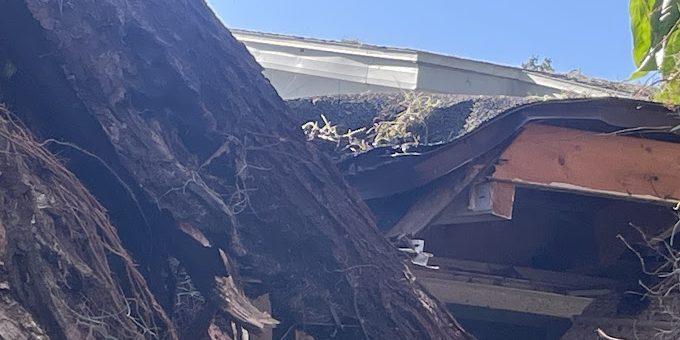
After a heavy wind event near Valrico, a neighbor’s tree snapped in the yard line. You can still see the trunk leaning, and a few branches rest on the fence and roofline. Now you’re juggling safety concerns, debris management, and the question of whether you should call for tree removal, tree trimming, or storm damage cleanup first.
If you’re coordinating work while you’re also trying to protect your property, a “wait and see” approach can create avoidable risk. This article walks you through how to assess what you’re dealing with, what to document for the crew, and how to plan the next steps for fallen tree removal and related tree care services.
Quick Answer
If a tree is down, cracked, or hanging after a storm, prioritize safety and stabilize the situation before cleanup. Keep people and pets away, watch for shifting limbs, and document what you can from a safe distance. Next, contact a qualified tree service focused on storm damage and emergency tree service coordination, because the right plan depends on whether the tree is unstable, what’s contacting structures, and how debris is positioned. For residents in Valrico, TX, a fast, organized call usually helps crews bring the correct equipment and workflow for fallen-forest conditions.
What to Check First
Before anyone starts moving branches or calling out “it looks fine,” do a quick, cautious pass. You’re looking for hazards that change the scope from cleanup to removal, and they can also affect how crews approach the job.
1) Stability signals
Look for trunks that are leaning, roots that appear lifted, or limbs that are still under tension. If anything looks like it could shift, treat it as unstable.
2) Contact points
Identify whether the tree or branches are touching fences, roofs, sheds, vehicles, or power lines. Contact with structures often changes the safest removal sequence.
3) Access for equipment
Notice gate widths, driveway slope, and where debris would be staged. Good staging reduces time spent on re-positioning.
If your situation involves nearby power lines, keep distance and let the appropriate utility process handle line safety. For everything else, you can still prepare helpful details for the tree service. If you’re unsure which service best matches what you see, start with the emergency tree service page and call Timber Kings Tree Service for coordination guidance.
Main Things Customers Should Understand
“Emergency” doesn’t only mean urgency. It also means the tree’s condition may require a different workflow than routine yard maintenance. Here are the factors that typically determine whether the job is closer to tree cutting, tree removal, tree trimming, or stump removal after the storm.
Professional observation: In storm aftermath, the biggest safety variable is not always the size of the tree. It’s how the weight shifted. A limb that looks “mostly down” can still be spring-loaded, which affects where cuts can be safely made.
| What you’re seeing | Most common next step | Why it matters for coordination |
|---|---|---|
| Branches on the ground, but the main trunk is stable | Storm debris cleanup and targeted tree trimming | Helps prevent additional breakage while reducing time spent clearing access paths. |
| Leaning trunk, lifted roots, or “hanging” limbs | Fallen tree removal with a controlled approach | Requires planning for tension release and safe staging, not just cutting. |
| Tree is removed, but a large section remains in the yard | Stump grinding or stump removal planning | Stumps can become tripping hazards and interfere with future landscaping. |
| More than one tree affected across a property | Coordinated scope for storm damage cleanup | Sequencing matters when equipment and debris staging share space. |
| Yard is cluttered and needs broader clearing | Lot and land clearing or brush clearing coordination | When cleanup overlaps with replanting plans, having a single plan keeps costs and timelines smoother. |
To keep your request accurate, reference what you need rather than what you assume. If you’re dealing with storm aftermath, you may find it useful to review storm damage services before you call so you can describe what’s damaged and where.
Why this matters in Valrico, TX
In Valrico, TX, properties often blend mature shade trees with residential structures like driveways, detached sheds, and fenced backyards. After a storm, that mix can make fallen tree removal more complex because debris may land across walkways and fences quickly. Coordinating early helps protect the areas people use every day, especially when cleanup affects access to gates, garages, and storage spaces.
Also, storm events can leave trees with hidden stress. Even when the tree appears “mostly okay,” the broken crown or damaged root zone can change how the tree behaves in subsequent winds. That’s why a careful plan for tree health assessment and follow-up tree care services can matter as much as the initial cleanup.
Need help coordinating storm cleanup in Valrico?
Call Timber Kings Tree Service and describe what’s down, what it’s touching, and where you need access restored. We’ll help you plan the safest next steps for fallen-forest cleanup.
(813) 701-0498Common Mistakes to Avoid
These are the scenarios we see most often when a storm hits and homeowners try to handle cleanup themselves or delay contact with a tree service.
- Trying to “test” a hanging limb by pushing or pulling it. Tension can release unpredictably.
- Cutting near the trunk without a plan, especially when the tree is leaning or roots are disturbed.
- Dragging debris through landscaping before you’ve cleared safe pathways for equipment and staging.
- Ignoring the stump after removal. A remaining stump can interfere with mowing, landscaping, and future planting.
- Assuming one service solves everything when the scope changes from tree removal to stump grinding, or from storm debris cleanup to land clearing.
Representative scenario: what coordination looks like
Imagine a residential property in Valrico where a mature tree fell across the back fence line after a wind event. The trunk is down, but several branches still rest against a shed roof, and the root area looks disturbed. The homeowner does the first safety steps, keeps the area clear, and documents where the tree contacts structures. When Timber Kings Tree Service coordinates the cleanup, the crew plans a controlled removal sequence, clears access first, and then addresses the remaining stump area with stump grinding so the yard can be used again.
Customer Checklist
Use this list to organize your call and help the crew understand your site quickly. The goal is simple: fewer back-and-forth questions and a safer workflow.
- Confirm who is safe: keep pets and people away from the tree and debris area.
- Note the exact location: front yard, side yard, backyard fence line, or near a structure.
- Describe contact points: roof, fence, driveway, walkway, shed, or vehicle.
- Share stability details: leaning trunk, lifted roots, or branches still under tension.
- Take a few photos from a safe distance (wide shot plus close shot of contact points).
- Tell your plan for the space: do you want debris removed only, or also lot land clearing for re-use?
- Ask about the full scope after cleanup: tree removal, tree trimming, and whether stump grinding is needed.
Frequently Asked Questions
How do I know whether I need tree removal or tree trimming after a storm?
In general, trimming is more likely when the trunk and main structure are stable and the damage is mostly in broken limbs or crown sections. Removal is more likely when the trunk is leaning, roots look disturbed, or the tree is “hanging” and could shift. If the tree is contacting buildings, fences, or vehicles, the safest approach usually depends on the exact tension and contact points.
For Valrico, TX homeowners, the best coordination move is to share what’s touching and whether anything looks like it could move. Timber Kings Tree Service can help match your situation to the right tree care plan.
What should I do right away if a tree is down but still connected?
Treat it like a hazard. Keep people and pets out of the area and avoid pulling on limbs or trying to “release” tension. If branches are resting on structures, don’t walk under them or attempt to clear them by hand. Instead, document the situation from a safe distance and focus on access safety.
Then contact a tree service for emergency tree service coordination. A controlled removal sequence can reduce the chance of additional shifting, especially when debris is still under load.
Do I need stump grinding after fallen tree removal?
Often, yes. Even after a tree is removed, the stump can remain as a tripping hazard and can interfere with mowing, landscaping, and future yard use. Stump grinding also helps reduce leftover debris in the yard, which can matter if you’re planning replanting or general cleanup.
If you’re unsure, mention your end goal to the tree service. If the property needs broader cleanup or re-use, you may also want to discuss lot land clearing alongside stump-focused work.
Can storm damage cleanup turn into brush clearing or land clearing?
Yes, sometimes. After a storm, the debris field can expose more than just one downed tree. If the property has overgrowth, scattered brush, or areas that were previously difficult to access, the cleanup scope may expand to include brush clearing or broader land clearing services.
Coordinating the full scope early helps avoid leaving parts of the property inaccessible. If you already know you want the yard cleared for re-use, share that when you call so the plan can reflect your timeline.
What information should I provide when I call for emergency tree service?
Provide the location (front, side, or backyard), what the tree is touching (roof, fence, driveway, shed, or vehicle), and whether the trunk or limbs look stable or under tension. Photos from a safe distance are helpful, and it also matters whether you want debris removal only or full re-use prep.
When possible, include any access constraints like narrow gates or blocked driveways. That helps the crew coordinate equipment and staging efficiently.
Get your fallen-tree plan organized
If you’re dealing with storm damage on your property in Valrico, TX, coordination is what brings everything together: safety steps, removal sequence, and follow-up tree care so the yard can be used again.
Talk through tree removal needs