Storms in the Valrico area can turn small tree issues into major property problems. This guide walks you through the most common warning signs homeowners miss, what to check first, and how trimming can reduce risk before wind and heavy rain hit.
Last week, a homeowner in Valrico noticed a few branches hanging lower than usual and assumed it was just “time for a cleanup.” Then strong winds rolled in, and those same branches scraped the roofline and knocked down a couple of dead limbs from a nearby tree. Even when nothing falls completely, storm movement can loosen weak limbs and widen existing damage.
If you have trees around your driveway, backyard, or near overhead lines, you do not need to guess. This guide helps you identify trimming warning signs early, understand what storm-ready tree care looks like, and decide when it is time for a professional assessment.
- Quick answer
- What to check first
- Main things customers should understand
- Why this matters in Valrico, TX
- Common mistakes to avoid
- Customer checklist
- Frequently asked questions
Quick Answer
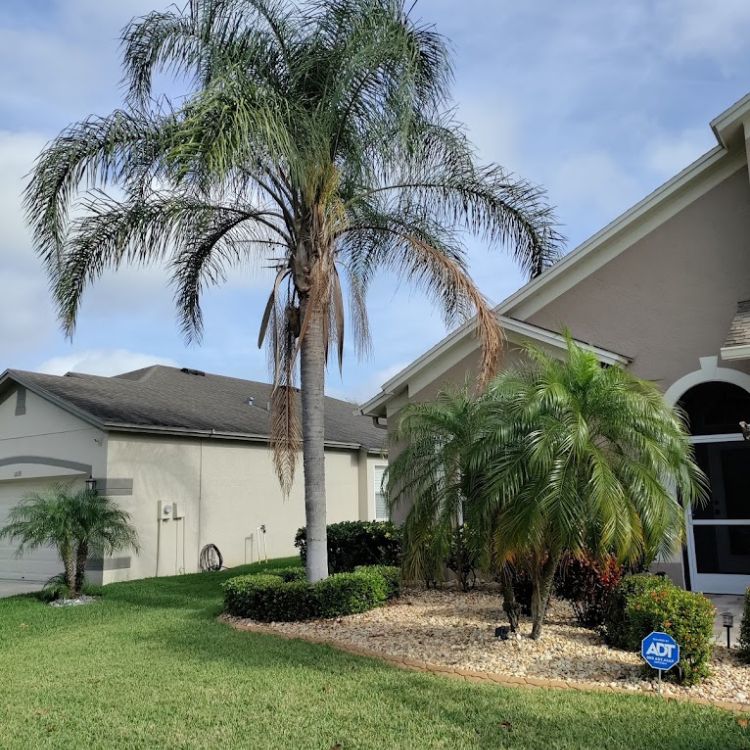
If you spot dead or hanging branches, branches rubbing each other, cracks in the trunk, or heavy leaning toward your home, it is a strong sign your trees need trimming before storms. Trimming can remove weak, overextended limbs, improve airflow through the canopy, and reduce the chance of branch breakage during high winds. Start by checking the tree from the ground for obvious hazards and storm stress. For anything near structures, fences, or power lines, schedule a professional tree care inspection so the work is done safely and in the right places.
What to Check First
Before you grab tools, do a careful walk-around. Your goal is to find the “high-stress” areas that tend to fail first in wind and rain. These are the spots where trimming makes the biggest difference.
Look for deadwood
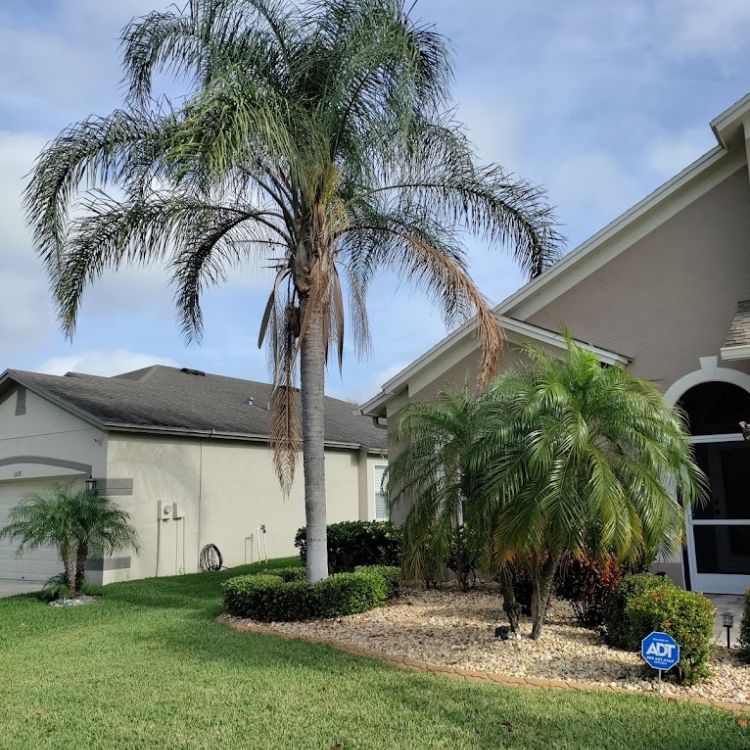
Check for branches with no leaves, brittle twigs, or limbs that snap when lightly disturbed from the ground (without climbing).
Check for rub points
Notice limbs that touch or cross. Rubbing creates wounds that can weaken branches over time.
Watch the trunk and base
Cracks, splits, or unusual gaps around the trunk are storm red flags. Also look for lifted roots or soil disturbance.
Professional observation: In my experience with Valrico properties, the trees that cause the most storm trouble are often the ones that look “mostly fine” until wind loads them. Trimming targets the weak points that are hard to see from a single angle.
Main Things Customers Should Understand
Trimming is not just about making trees look better. Before storms, it is about reducing leverage on weak limbs, removing hazards, and improving tree structure so the canopy can move with wind instead of acting like a sail.
Here are the main factors that help determine whether a tree should be trimmed now, later, or evaluated for removal.
- Canopy density and airflow: When branches are too tightly packed, wind can press and tear through the canopy. Selective pruning helps airflow pass through more evenly.
- Branch length and overhang: Long, overextended limbs increase the force during gusts. Crown reduction or targeted cutting shortens the “reach.”
- Structural weaknesses: Co-dominant stems, included bark, and trunk splits are common stress points. These often require a careful plan rather than random cuts.
- Dead or damaged limb distribution: Deadwood is rarely evenly placed. If you find clusters of dead branches, focus on those zones first.
- Proximity to property: Trees near roofs, fences, sheds, or driveways should be treated differently than trees with open clearance.
| What you notice | Most likely need | Why it matters before storms |
|---|---|---|
| Dead limbs overhead or hanging low | Tree trimming or tree pruning | Removes weak limbs that can drop or break during high winds. |
| Stump remains after a prior cut | Stump grinding | Reduces trip hazards and helps keep the yard safer after debris moves in storms. |
| Tree has visible storm damage (broken limbs, torn bark) | Storm damage assessment and cleanup | Identifies what is unstable now, not just what looks damaged. |
| Too many trees or brush blocking usable space | Lot land clearing or brush clearing | Creates safer sightlines and reduces clutter that can snag during wind events. |
| Tree is leaning significantly or has major structural cracks | Tree removal evaluation | Some hazards cannot be safely “pruned down” because the failure is structural. |
Why This Matters in Valrico, TX
In Valrico, trees grow fast and properties often include mature shade trees close to homes and sidewalks. After a season of growth and wind, storm stress can reveal weak structure, especially where branches meet fences, touch rooftops, or hang over driveways. Trimming before the next weather event gives you time to correct the problems that debris and gusts tend to worsen.
Local customer tip: If you are planning yard work, cleaning gutters, or preparing outdoor living spaces, treat tree trimming as part of that same preseason checklist. Keeping branches from rubbing and reducing overhang can help protect roofs, siding, and landscaping.
Related services homeowners often pair with trimming
Depending on what you find during your inspection, you may need more than trimming. Timber Kings Tree Service can help with the right next step for your situation in Valrico and surrounding areas.
- Tree trimming in Valrico when branches are overgrown, rubbing, or too close to structures.
- Storm damage cleanup after broken limbs or torn canopy sections show up.
- Tree removal when a hazard is structural and cannot be safely corrected with pruning.
- Stump grinding after tree work so the yard stays safer and easier to maintain.
Want a storm-focused tree care walkthrough?
Timber Kings Tree Service can evaluate your trees for trimming priorities that reduce storm risk around your home in Valrico.
Contact Timber Kings Tree ServiceCommon Mistakes to Avoid
Homeowners often try to “fix it” quickly after they notice branches getting close to the house. Unfortunately, a few common habits can make storm problems worse or create new hazards.
- Cutting without a plan: Removing random limbs can change how weight transfers through the tree, especially if cuts are made too close to the trunk or in the wrong areas.
- Ignoring deadwood until it falls: Dead or damaged limbs can drop without warning during gusts. Waiting increases the chance of damage to your roof, vehicles, or landscaping.
- Over-pruning: Removing too much foliage at once can stress the tree and create more weak growth. Storms do not “wait” for the tree to recover.
- Forgetting the direction the tree leans: If a tree is already leaning toward a structure, you need an assessment. Trimming alone may not fix the underlying stability issue.
- Working too close to lines or structures: If limbs are near utilities, roofs, or fences, professional handling is safer and helps prevent accidental damage.
Customer Checklist
Use this checklist to decide whether your trees need trimming before storms. If you check several boxes, it is a good time to schedule a tree care inspection.
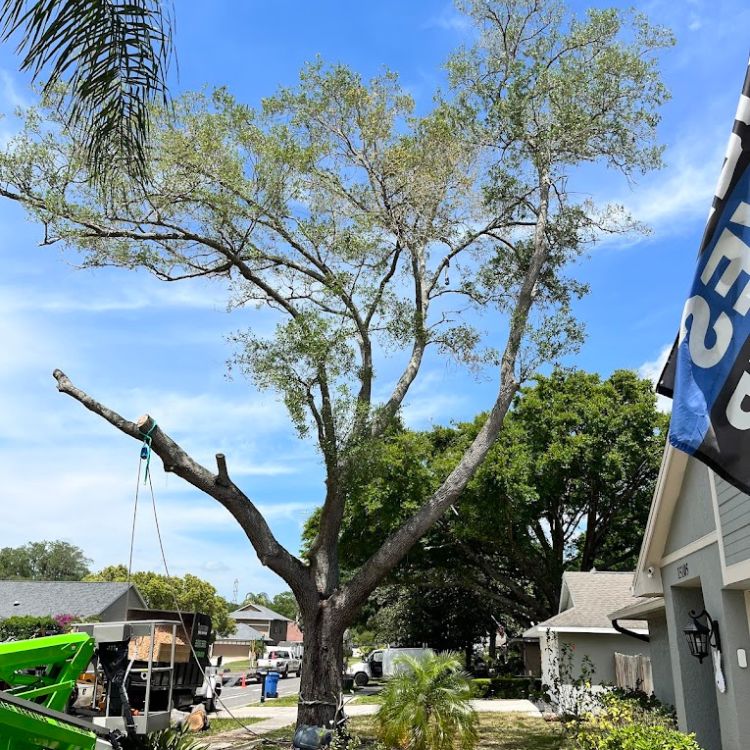
- Any branches are dead, brittle, or hanging lower than usual.
- Branches cross or rub against each other, creating bare or damaged spots.
- You see trunk cracks, splits, or unusual gaps around the base.
- The tree has significant leaning toward a home, garage, fence, or driveway.
- There are visible storm wounds, torn bark, or recent breakage.
- Overhang is pressing into the roofline, gutters, or siding.
- Stumps or debris from past tree work create hazards in your yard.
A representative Valrico scenario
Imagine a homeowner near Valrico who notices branches touching the edge of a garage roof after mowing season. Over the next few weeks, they find more dead twigs and see that one major limb has started to sag. Instead of removing parts randomly, they schedule an inspection focused on storm stress. The assessment identifies specific weak sections in the canopy and clears targeted branches to reduce overhang and rub points. The result is a tree that still provides shade but has a safer structure heading into the next storm cycle.
Frequently Asked Questions
How can I tell if my tree needs trimming before a storm?
Start with what you can see from the ground: deadwood, branches hanging unusually low, rubbing or crossed limbs, cracks or splits in the trunk, and leaning toward your home or driveway. Storms tend to exploit existing weaknesses, so these are the same areas that often fail first in wind and rain. If multiple warning signs show up at once, schedule a tree care inspection so the trimming plan matches the tree’s structure, not just its appearance.
Is tree trimming the same as tree pruning?
They are closely related. Many homeowners use “tree trimming” to describe general cutting work, while “tree pruning” often refers to selective removal to improve structure, health, and shape. Either way, the key is that cuts are made with purpose: removing dead branches, reducing risky overhang, and addressing canopy rub points. A professional approach helps avoid over-pruning, improper cut locations, and unnecessary stress on the tree.
What if my tree looks fine but branches fall after wind?
That situation usually points to hidden problems, like deadwood inside the canopy or weak attachment points on individual limbs. Even healthy-looking trees can have compromised branches that hold until wind loads them. When branches fall, it is a sign the tree may need targeted trimming or further evaluation. If you notice repeated limb drops, get an inspection focused on hazard reduction around your home in Valrico.
Can trimming prevent storm damage completely?
No tree service can promise zero storm damage. What trimming can do is reduce risk by removing weak or overextended limbs and improving canopy movement so wind pressure is less likely to cause breakage. In practical terms, trimming can lower the chances of falling branches contacting roofs, vehicles, fences, and landscaping. If a tree has structural issues that pruning cannot correct, an evaluation for tree removal may be the safer path.
When should I consider tree removal instead of trimming?
Consider removal evaluation when the hazard is structural, such as major trunk splits, severe leaning toward structures, or damage that suggests the tree cannot be stabilized with pruning. If deadwood is widespread or the tree’s condition indicates likely failure, trimming alone may not address the root cause. A storm-focused assessment helps determine whether pruning can make the tree safer or whether removal is the better option for your property.
Get ready for the next storm season in Valrico
Check your trees, then let Timber Kings Tree Service help you prioritize trimming and tree care services that protect your property.
(813) 701-0498
Timber Kings Tree Service
Timber Kings Tree Service provides tree care services for homeowners and property owners in Valrico, TX and surrounding areas. From tree trimming and tree pruning to storm damage response and related property cleanup, our focus is helping you maintain safer, healthier trees before weather events become problems.