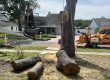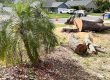
Tree Removal After High Winds
After a hard wind event in Valrico, TX, you may be staring at a leaning tree, snapped limbs, or a trunk that looks “mostly fine” but feels risky. This guide explains how to assess storm damage, what to prioritize for safety, and what the cleanup process typically includes, including tree cutting, stump removal, and follow-up tree care.
Last night’s wind felt strong enough to rattle the whole neighborhood. This morning, one of the trees near your driveway is leaning, and several branches are down across the yard. You’re not sure what’s actually broken inside the trunk, and you do not want to guess with power lines, fences, or your landscaping.
If you need tree removal after high winds in Valrico, TX, this article helps you understand what to check first, which signs suggest hazardous trees, and how to plan the next steps so your property is safer and more usable again. You will also find a practical checklist you can use while you coordinate professional tree cutting and restoration.
Quick Answer
Start by keeping people away from the tree and anything it might fall onto, especially near fences, roofs, and utility lines. If the tree is leaning, has a split trunk, or has heavy limbs hanging, treat it as hazardous and avoid DIY cleanup. Next, document visible storm damage and contact a local tree service to assess structural stability and plan the safest tree removal approach. After the tree is removed, plan for stump removal and yard restoration so new growth and mowing lines are not an ongoing problem.
What to Check First
Right after high winds, the hardest part is knowing what is truly unsafe. A quick assessment helps you decide what needs immediate attention and what can wait.
Professional observation: Storm-damaged trees can look “stable” from a distance, but the root plate or internal wood structure may be compromised. The safest plan usually starts with an on-site hazard evaluation before anyone attempts tree cutting.
- Utility proximity: If anything is near power lines, do not move branches or the trunk. Keep distance and let trained teams handle the hazard.
- Trunk and base damage:
- Look for cracks, splits, or a trunk that has pulled away from the ground.
- Check the base area for exposed roots or soil heaving.
- Hanging limbs and “tension” branches: Limbs can be held up under stress and can drop suddenly when disturbed.
- Secondary damage: Check for impacts to fences, sheds, and landscaping beds that can complicate cleanup.
- Access for restoration: If the tree blocks your driveway or gate, removal planning should consider how crews will stage equipment safely.
If you are dealing with multiple branches, additional concerns, or recurring storm issues, you may also want to review storm damage cleanup so you can coordinate the right scope of work.
Main Things Customers Should Understand
Tree removal after high winds is more than cutting down a trunk. The work is typically organized around safety, property protection, and long-term yard usability.
Tree Removal (Tree Cutting)
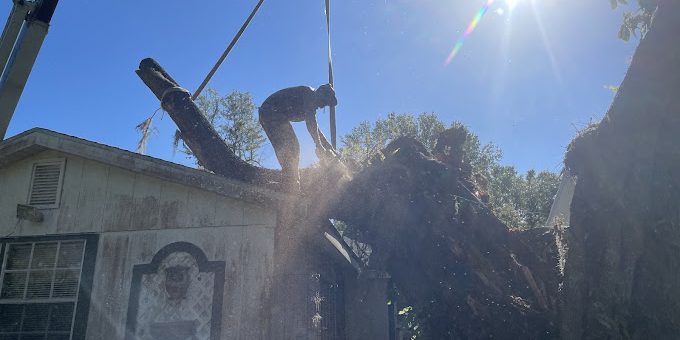
Crews plan the removal sequence based on how the tree is positioned, what is leaning, and what could be damaged during takedown. The goal is controlled tree cutting, not rushing through.
Stump Removal and Stump Grinding
After a storm, stumps can become trip hazards and interfere with mowing. Stump grinding helps restore smoother yard access and reduces regrowth problems.
Follow-Up Tree Care
Once the hazardous pieces are handled, remaining trees may need pruning or shaping to reduce risk and support healthy growth. For related work, see tree trimming.
Removal vs. Trimming vs. Land Clearing: choosing the right scope
When storm debris is mixed with overgrowth, you can end up with a “partial fix” that creates issues later. Use the table below as a decision guide for what typically makes sense after high winds in residential and commercial properties.
| Situation you see after wind | What usually fits | Why it matters |
|---|---|---|
| Trunk is leaning, cracked, or roots look disturbed | Tree removal and hazardous tree removal | Unstable trees can shift further under wind or impact, putting people and structures at risk. |
| Multiple snapped limbs but trunk/base looks intact | Tree trimming and branch cleanup | Removing damaged limbs can reduce future breakage and help maintain tree health. |
| Debris blocks a driveway, walkways, or the site needs reset | Lot land clearing | Clearing helps restore usable space and improves access for future landscaping or maintenance. |
| You want to reduce risk from remaining storm-stressed trees | Tree pruning (crown reduction/thinning when appropriate) | Pruning can improve structure and airflow, but it should follow a proper assessment. |
Why this matters in Valrico, TX
In Valrico, TX, properties often include mature shade trees that contribute to curb appeal, but they also create a lot of surface area for wind load. After a storm, homeowners may notice debris spread across lawns, fences, and garden beds. Even when the “main tree” is removed, smaller damaged limbs can keep dropping as the remaining wood dries and shifts.
One local insight we see often: yards that look manageable at sunrise can become more complicated later, because cleanup access changes. A fallen branch that seems small can still be heavy and awkward to move once it is surrounded by wet grass or wedged against landscaping. Planning the removal sequence and staging equipment helps keep the rest of your property from taking additional hits.
Firsthand industry observation: After high winds, the most time-consuming part is usually not the cutting itself. It is verifying stability, managing where debris lands, and preventing secondary damage to nearby structures and hardscapes. That is why a careful on-site look before work begins makes a noticeable difference.
Common Mistakes to Avoid
When people try to handle storm damage on their own, it is usually for good reasons: they want the yard cleared quickly and they want to feel in control. The problem is that wind-stressed trees do not always behave the way they look.
- Waiting too long to address a leaning tree: Even if it has not fallen yet, a compromised trunk can shift during normal wind or minor disturbance.
- Pulling down “hanging” limbs: Limbs can be under tension and can drop unpredictably.
- Ignoring root and soil movement: If you see exposed roots or soil heaving, the tree’s stability may be reduced.
- Only removing visible debris: Storm events can also cause internal damage that leads to future breakage. A hazard-focused assessment helps avoid repeated cleanup.
- Skipping stump work: Leaving stumps can create mowing obstacles and tripping hazards, and it can complicate future landscaping. If you are planning long-term yard restoration, consider stump grinding as part of the plan.
Customer Checklist
Use this checklist to get organized after high winds in Valrico, TX. It helps you communicate clearly and ensures the restoration plan covers the basics.
- Keep people and pets away from the tree and any hanging branches.
- Check for cracks, splits, and leaning at the trunk and base.
- Look for exposed roots or soil heaving around the tree.
- Identify anything impacted: fences, sheds, patios, driveways, or landscaping beds.
- Decide what must be cleared first for safe access (walkways, gates, driveway).
- Plan for what comes after removal: stump removal and yard cleanup.
- Request a storm damage assessment so remaining trees are evaluated for risk.
Representative scenario: a typical Valrico storm cleanup
A homeowner near Valrico reports that a large tree partially snapped during a high wind event. The trunk is still standing, but the tree is leaning toward a fence line, and several limbs are resting against shrubs. The yard is usable for now, but the fence is strained and additional branches look ready to drop.
In a case like this, the restoration plan usually starts with hazard evaluation, then controlled tree cutting to reduce the chance of secondary damage. After the tree is removed, stump grinding and cleanup help the homeowner regain smooth yard access while reducing future obstacles.
Get a storm-damage plan for your property
If you are dealing with leaning trees, hanging limbs, or storm debris near structures, call Timber Kings Tree Service to coordinate the next steps for tree removal and restoration in Valrico, TX.
(813) 701-0498Frequently Asked Questions
How do I know if a storm-damaged tree is hazardous?
Look for signs that the tree’s structure has changed, such as a trunk that is leaning, a split or cracked trunk, exposed roots, soil heaving at the base, or heavy limbs hanging under tension. If the tree is near fences, roofs, or other structures, treat it as higher risk. Even if the tree has not fallen yet, storm stress can reduce stability. A proper on-site assessment helps determine whether the safest option is hazardous tree removal, targeted tree trimming, or a combination.
Should I call for tree removal first, or handle cleanup later?
In most storm situations, it is smart to address hazardous removal first so the property is safer and access is clearer. Cleanup can come after the tree cutting and takedown are planned, especially when debris is near walkways, driveways, or hardscapes. If you also need stump removal and yard restoration, coordinating the full scope early can prevent extra rework. If you are unsure which tasks are urgent, start with a storm damage assessment so the plan matches what is actually unsafe.
What does stump grinding accomplish after tree removal?
Stump grinding breaks down the remaining stump so you regain usable yard space and reduce trip hazards. It also helps you move forward with mowing, landscaping, or land clearing without persistent stump obstacles. For many homeowners in Valrico, TX, stump grinding is part of restoring the yard to normal function after high winds. If you have multiple stumps or you are resetting a property, it can also support a smoother overall cleanup process.
Can storm-damaged trees be pruned instead of removed?
Sometimes, yes. If the trunk and base appear stable but the damage is mostly in snapped branches, tree trimming or pruning may be appropriate. The key is evaluating structural integrity, not just visible debris. Pruning options like crown thinning or crown reduction may be considered when it helps balance the tree’s shape and reduces future breakage risk. If the tree is cracked, leaning, or shows root disturbance, removal is often the safer choice.
What if storm debris is blocking my driveway or yard access?
When debris blocks access, it usually becomes a priority for safety and daily use. The removal sequence should account for where equipment can stage and where debris will fall during takedown. If you are dealing with larger site cleanup needs beyond a single tree, you may also need lot land clearing so the whole area is restored, not just the most visible portions. A clear plan for access helps the restoration process run more smoothly.
Need tree removal after high winds in Valrico?
Timber Kings Tree Service helps homeowners and property managers coordinate storm-strong restoration, including tree cutting, stump grinding, and follow-up tree care. If you want a clear plan for your next steps, contact us.
Learn about storm damage cleanupPrefer a direct conversation? Call (813) 701-0498.