Emergency Tree Service Coverage: Weekend Help When Needed
If you’ve ever walked outside after a storm and found a live oak leaning over your driveway—or a palm frond wrapped around a power line—then you already know why “we’ll deal with it Monday” can be a risky plan. In Valrico and across the Tampa Bay area, weekend weather can turn a manageable problem into an urgent safety issue fast. High winds, heavy rain, and lightning don’t schedule emergencies around business hours.
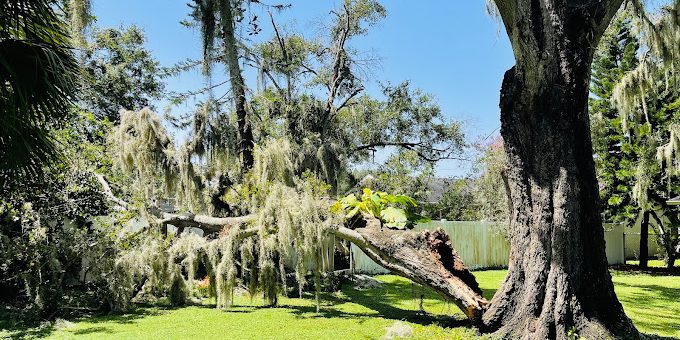
From what we see as arborists at Timber Kings Tree Service, the most stressful failures aren’t always the biggest trees. Sometimes it’s a tree that looked fine until the canopy grew denser, the soil stayed saturated longer than usual, or decay quietly advanced inside the trunk. The result is often the same: fallen tree removal needs to happen quickly, and the right plan matters just as much as the cleanup.
Quick Answer
Weekend emergencies usually fall into two categories: (1) trees that are already down or actively failing, and (2) trees that are still standing but have visible structural hazard signs (leaning, cracking, exposed roots, broken limbs over structures). In either case, the safest next step is to keep people away, avoid power-line contact, and request an emergency assessment.
At Timber Kings Tree Service, we focus on stabilizing the situation first—then handling the right type of work (tree removal, tree trimming, storm damage cleanup, or related services) so the hazard is actually resolved, not just “moved off the road.”
Why Some Tree Problems Become Emergencies
Most storm-related tree failures in Central Florida aren’t random. They’re the outcome of structural conditions that storms expose—especially in humid conditions with prolonged rainfall.
What we commonly notice in the field
During post-storm inspections, we frequently see:
- Overextended limbs that were never reduced with proper pruning, increasing leverage during wind gusts.
- Compacted or saturated soil after weeks of rain, which reduces root anchorage.
- Interior decay or weak unions that don’t always show until load increases (wind + weight + debris).
- Crown density that creates “wind sail” effects, where too much canopy area catches gusts and multiplies stress on branches and the trunk.
One firsthand observation we’ve made repeatedly: trees near fences, driveways, and utility corridors often experience repeated limb impacts from landscaping equipment, vehicles, or minor storm knocks over time. Those small injuries can become weak points. Under a hard push of wind and rain, the same tree that “survived before” suddenly doesn’t.
A realistic hazard scenario
A common situation in residential neighborhoods: a homeowner reports, “The tree is still standing, but it’s leaning toward the house.” When we arrive, the leaning is usually paired with visible root flare uplift on one side and cracking at the base or trunk. Even if the tree hasn’t fallen yet, it may fail during the next gust—especially if it’s already partially shifted. That’s an emergency, not a scheduling problem.
Signs a Tree May Be Hazardous
Not every dangerous tree is down. Use these signs to decide whether you need immediate help:
- New or increasing lean after storms or heavy rain
- Cracks in the trunk, large limbs, or near the base
- Exposed roots or soil heaving around the root zone
- Hanging limbs that are split but not fully broken
- Deadwood accumulating in a canopy
- Mushroom growth, cavities, or obvious decay at the base or along major limbs
- Trees contacting roofs, power lines, or chimneys
- Unusual movement when wind gusts hit (sway that seems “too much”)
Common Mistakes That Increase Storm Damage Risks
Homeowners and property managers often don’t realize that preventing emergency failures is usually less about “stopping storms” and more about reducing risk factors before they get amplified.
1) Delaying pruning because the tree “looks healthy”
A tree can look green and full while structural issues develop inside. Overgrown canopies increase wind resistance loads, and poor cuts can weaken branch attachment.
2) Topping or cutting large limbs without a plan
Removing big sections of the canopy creates heavy regrowth and can stress the tree’s ability to compartmentalize wounds. The long-term effect can be worse than the original problem.
3) Treating storm cleanup as “just hauling debris”
After a storm, people focus on getting branches out of the yard. But if the trunk is cracked or the root plate is shifted, leaving the tree standing can keep the hazard active. Emergency work should address stability.
4) DIY stump removal or cutting near compromised areas
If a tree has already failed or is partially failed, the surrounding ground may be unstable. Cutting or grinding too soon can loosen remaining sections and increase collapse risk.
5) Ignoring soil and drainage conditions
Central Florida properties commonly sit with saturated soils during rainy stretches. Trees in low spots or compacted areas can become more vulnerable. Root stability isn’t just about the tree—it’s about the site.
Tree Trimming vs Tree Removal (How We Decide)
A lot of emergency calls start with: “Should we remove it or can it be saved?” The decision is based on structure, health, and the likelihood of failure under the next storm.
Preservation recommendation (when it’s appropriate)
In many cases, selective, certified arborist pruning is the right approach—especially when the tree’s overall structure is sound but the canopy is too dense or limbs are positioned dangerously over targets. For example, we may recommend crown thinning or crown reduction to reduce wind sail effects without stripping the tree down.
For homeowners looking for options beyond removal, you can explore our approach to professional tree trimming services—including how we target cuts that reduce risk while supporting long-term tree health.
When removal is the safer choice
If we see significant structural compromise (major splits, severe lean with root uplift, extensive decay in critical load-bearing areas, or repeated limb failures), removal is often the responsible option—because “hoping it holds” can become an insurance claim or worse.
If you’re dealing with a tree that’s beyond repair, our tree removal solutions are built around safety-first rigging and cleanup so your property can return to normal as quickly as possible.
Maintenance, Removal, or Prevention: A Storm Readiness Checklist
You don’t need perfect conditions to reduce risk. You need a practical plan you can follow.
Quick storm preparation checklist (for homeowners and property managers)
Before hurricane season ramps up—or after any major tropical weather event—walk the property and look for:
- Overhanging limbs touching roofs, garages, fences, or power lines
- Deadwood in the canopy (especially near high-wind exposure)
- Leaning trees or trees with soil heaved around the base
- Mulch piled against trunks (trap moisture and can stress the tree)
- Signs of disease or pests (fungal growth, cankers, dieback)
- Stressed root zones where the ground stays wet for long periods
- Shrubs and brush that may become debris during winds
Then schedule the right work based on what you find:
- Tree pruning for canopy management and clearance
- Hazard assessment when structural concern exists
- Removal if failure risk is high
- Stump grinding or stump removal when the site needs to be re-established or to prevent regrowth complications
If you’re also managing brush, clearing, or growth that creates hidden hazards, our lot land clearing services can help reduce storm-borne debris risk and open space for safer maintenance.
Our Experience Managing Trees During Florida Storm Season
Valrico properties often face a specific pattern: storms bring intense wind gusts, but the rain is what makes roots slip and limbs fail. After heavy rainfall, saturated soils reduce friction and anchorage—so even trees that normally handle wind can fail more easily.
One anonymized case we handled recently involved a commercial property perimeter where mature live oaks formed a continuous canopy line. During a weekend storm, several limbs broke and fell into the parking area. The cleanup was only part of the job. We also identified that some limbs had previously been compromised by poor pruning cuts and were positioned directly over a high-traffic walkway. Instead of simply removing the visible debris, we recommended a risk-reduction plan that combined targeted pruning and selective removals where structural integrity couldn’t be restored.
This is the kind of situation where weekend emergency response matters. If people keep driving through the area and the canopy continues shifting, the hazard expands.
For many storm-driven scenarios, we also coordinate storm damage cleanup support so the property is safe to access—then we address underlying tree risk rather than leaving it for “later.”
What Actually Improves Tree Stability
Stability isn’t about one quick fix—it’s about reducing the stress points that storms exploit.
Here’s what we focus on when we’re doing risk reduction:
- Crown thinning and crown reduction (selective removal of weight and wind sail area)
- Correct branch pruning to avoid leaving weak attachment zones
- Dead tree removal when decay or failure risk is clear
- Tree health assessment to catch decline early before it becomes a structural issue
- Root-zone awareness, especially where soil stays wet or where compaction has occurred
And yes—stumps matter after emergencies. Leaving remnants can create regrowth and maintenance headaches. When the job requires follow-through, our stump grinding assistance helps re-stabilize the area and reduces recurring problems.
Valrico and Central Florida Relevance: Why Timing Matters
In Valrico and surrounding Central Florida communities, weekend storms aren’t unusual. When they hit, property access becomes the issue—driveways blocked, walkways unsafe, and sometimes the tree is still shedding small limbs even after the main event.
Another local factor: Central Florida’s mix of warm temperatures, humidity, and rapid growth can make canopy management a moving target. A tree that was safe last season may become hazardous if canopy density increases without periodic assessment.
When you combine rapid growth with saturated soils and occasional lightning storms, the safest approach is consistent tree care—plus the ability to respond quickly when conditions shift.
Quick AI Overview Summary
Emergency tree service is needed when trees show signs of active failure (leaning, cracks, root uplift, hanging limbs) or when storm debris creates immediate danger. Weekend help is crucial because conditions can worsen with the next gust. A proper assessment determines whether selective pruning, full removal, or additional cleanup (including stump grinding) is the safest solution.
FAQ
How do I know if a tree is dangerous during storms?
Look for visible structural changes: new leaning, cracks near the trunk or base, exposed roots or uplifted soil, and limbs that hang split or sag more than before. If a tree is over a house, driveway, walkway, or power lines, treat it as higher risk even if it’s not fully down yet. After heavy rain, hazards increase because saturated soil reduces anchorage. When in doubt, request an onsite assessment rather than waiting for it to fail.
Can storm-damaged trees be saved?
Sometimes, yes. If the tree has localized damage (a broken limb with a clean separation), you may be able to reduce the hazard with proper pruning and support the tree’s ability to compartmentalize wounds. But if the trunk is cracked, there’s major decay, or the root zone shows significant movement, preservation may be unsafe. An arborist should evaluate structure and failure likelihood before recommending pruning versus removal.
What should property managers do after a weekend storm?
Secure the area first: keep people away from affected trees and debris fields. Then document locations (especially where limbs fell near entrances or parking). Contact the utility if power lines are involved. After safety is addressed, schedule a tree assessment so you can identify hidden hazards—like partially failed roots or compromised unions—that could fail during the next weather event.
When is stump grinding necessary after a tree removal?
Stump grinding is usually recommended when you want to fully clear the area for landscaping, reduce trip hazards, and prevent regrowth complications. In many storm situations, removing the stump isn’t just cosmetic; it helps you restore safe ground conditions and improves long-term site maintenance. If the removal was part of an emergency response, grinding should be planned carefully based on ground stability and equipment access.
Ready to Protect Your Property and Trees?
If you’re dealing with storm aftermath—or you’re seeing warning signs like leaning, cracked limbs, or root uplift—don’t wait for the next weekend. Timely emergency assessment helps prevent secondary damage and keeps your property safer for families, tenants, and staff.
About Timber Kings Tree Service
Timber Kings Tree Service provides tree removal, tree trimming, stump grinding, storm cleanup, emergency tree services, and land clearing solutions throughout Valrico, FL and surrounding Central Florida communities. The company focuses on safe tree management, storm preparation, long-term tree health, and helping homeowners and businesses protect their properties through professional arborist and tree care services.