How Much Emergency Tree Service Costs After Storms
After a storm hits Valrico, TX, fallen branches and damaged trees can turn into a safety and property issue fast. This guide explains what usually drives emergency tree service costs, what you can check before calling, and how to plan next steps for tree removal, tree trimming, and storm-damage cleanup.
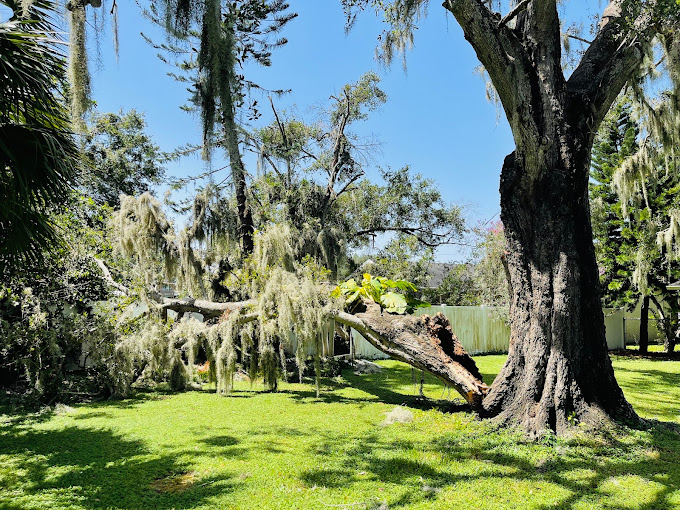
Last night’s storm looked manageable, and by morning you’re realizing it wasn’t. A large limb is hanging over your driveway, a tree looks split at the trunk, and you’re hearing creaks when the wind picks up.
You want answers quickly, but emergency tree work pricing can feel confusing because every situation is different. This guide helps you understand the cost drivers behind emergency tree service after storms, what to verify on-site, and what decisions matter most for safety and cleanup around homes in Valrico, TX.
- Quick answer
- What to check first
- Main things customers should understand
- Why this matters in Valrico, TX
- Common mistakes to avoid
- Customer checklist
- Frequently asked questions
Quick Answer
Emergency tree service costs after storms depend mainly on what’s damaged and how risky the work is, not just on the size of the tree. Factors often include whether the tree is partially uprooted, how close it is to structures or power lines, whether debris removal is needed, and how much additional work is required (like tree cutting, tree trimming, or stump removal). The best next step is to call for an on-site assessment so you can get a scope that matches your exact hazards and property layout. If the situation is unsafe, prioritize stabilization and hazard removal first.
What to Check First
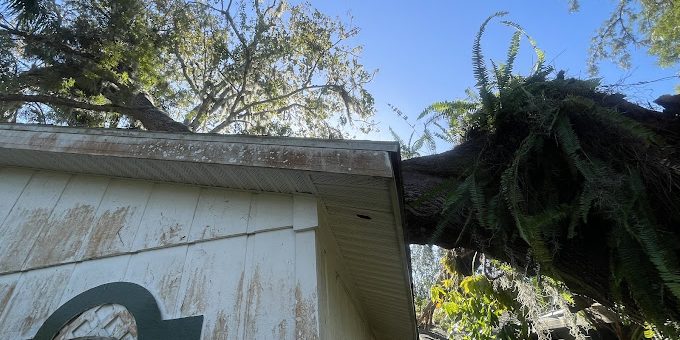
Before you start making calls, take a careful look from a safe distance. Note where the tree or limbs are resting, whether any parts are hanging or under tension, and if debris is blocking access to your home or garage. If anything is near power lines, treat that as a stop-and-wait situation and let the utility handle the electrical risk.
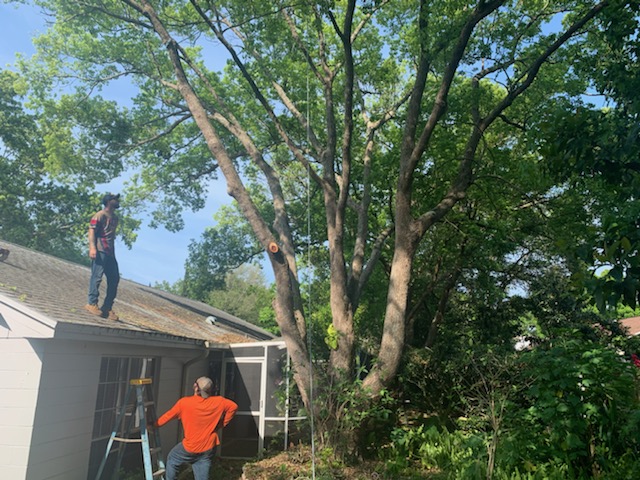
Then gather a few details that help you and your contractor understand the scope quickly: approximate tree species (if you know), trunk condition (split, cracked, or uprooted), and whether roots have lifted or soil is undermined. In Valrico, TX neighborhoods with mature shade trees often have multiple branches impacted at once, so documenting what’s affected across the property can prevent missed work.
Safety cues
Look for hanging limbs, cracks at the trunk, or movement when wind picks up. These can indicate unstable load and higher-risk cuts.
Access and cleanup
Consider how debris sits on driveways, fences, sheds, or landscaping. Cleanup and hauling requirements can change the scope.
Follow-on work
Storm damage can also require pruning for tree health assessment, stump grinding, or stump removal depending on the outcome.
Main Things Customers Should Understand
When people ask, “What does emergency tree service cost?”, they’re usually focused on price. But most storm work pricing comes down to scope and risk. Below is a practical way to think about the main drivers that affect total cost after a storm.
Professional observation: Emergency work is usually priced around hazard elimination, controlled tree cutting, and safe debris removal. If a tree is partially compromised, the “real” job may be more than removing what’s obviously down.
| Cost driver | What it means after a storm | How it can change your scope |
|---|---|---|
| Tree condition | Split trunk, lifted roots, or partially fallen limbs create unstable loads. | May require careful, step-by-step removal instead of quick cutting. |
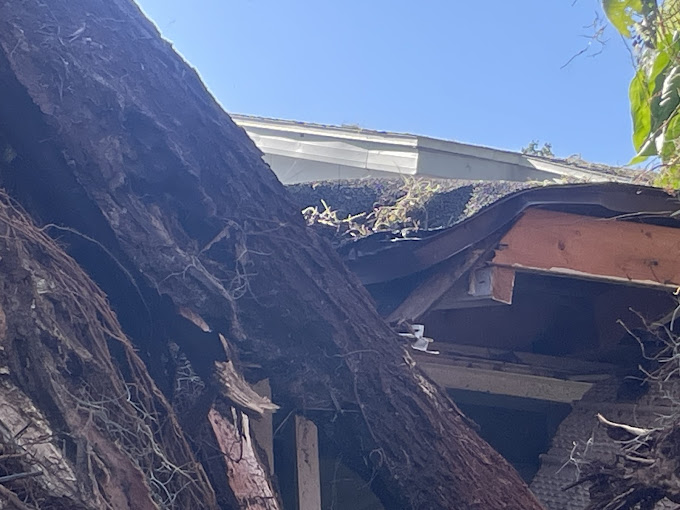
| Proximity to property | Branches resting on roofs, fences, or outbuildings increase risk. | Often requires more controlled cuts and additional protection. |
| Debris volume | Storms can bring down multiple limbs across one or more trees. | Hauling and cleanup time can grow quickly. |
| Stump and roots | Fallen trees may need stump removal or stump grinding to prevent regrowth and hazards. | Follow-on services can be required, especially for walkways and mowing areas. |
| Additional tree care | Some trees survive but need pruning or crown reduction to reduce risk going forward. | Tree trimming or tree pruning may be part of the same plan. |
| Land and access | Blocked access routes can slow equipment setup and removal. | Lot land clearing or brush clearing can be bundled when appropriate. |
If your storm damage involves a tree that’s beyond recovery, you may be looking at tree removal as the first priority. If the tree is still standing but unsafe, tree trimming and targeted storm damage cleanup can sometimes reduce the immediate hazard while preserving the rest of the tree. For the ground-level problem left behind, stump grinding is often part of the path to a safer, more usable yard.
What you should expect: A real assessment will describe the hazards, the order of operations, and what debris removal includes. That scope clarity is what makes emergency pricing understandable.
Why this matters in Valrico, TX
In Valrico, TX, storms often leave behind a mix of snapped limbs and partially uprooted trees, especially where properties have established shade trees near driveways, sidewalks, and fences. The yard layout matters. Many homeowners want the area cleared quickly so they can park, walk safely, and get back to normal routines. That’s also why debris cleanup and controlled tree cutting often carry more weight in storm pricing than people expect.
One firsthand-style observation from the field: after wind-driven storms, the “obvious damage” is not always the whole story. You may see limbs on the ground, but the tree may still be under tension with branches that can shift during cutting. Contractors typically plan cuts to remove weight safely and reduce the chance of unexpected movement. That careful sequencing is part of why emergency tree service is different from a routine seasonal job.
Need help deciding what to remove first?
If you have storm-damaged trees near a driveway, fence line, or roof edge, call Timber Kings Tree Service. We’ll help you understand the hazards and what work makes sense for your property in Valrico, TX and surrounding areas.
Call (813) 701-0498Common Mistakes to Avoid
After storms, it’s tempting to handle cleanup yourself or delay until you “feel ready.” Those choices can turn a manageable mess into a bigger and more expensive problem. Here are common mistakes homeowners make, and why they matter.
- Trying to cut hanging limbs without understanding tension and fall direction.
- Waiting too long to address compromised trunks, especially when wind keeps returning.
- Assuming a tree is “fine” because it didn’t fully fall, even when roots or trunk structure look altered.
- Forgetting ground-level work, like stump removal or stump grinding, which can leave ongoing hazards.
- Overlooking surrounding debris. Brush clearing and land clearing may be needed to restore safe access.
Customer Checklist
Use this checklist to prepare for an emergency tree service conversation. It helps you communicate clearly, reduces back-and-forth, and ensures the work scope covers what you actually need.
Quick preparation tips: Keep pets and people away from the area. Take note of any blocked routes and any trees that look cracked, leaning, or partially uprooted. If you can do it safely, write down what you want cleared first, such as driveway access or a walkway.
| Item | What to note | Why it helps |
|---|---|---|
| Location | Near driveway, roof edge, fence, or walkway | Helps determine controlled cutting needs |
| Tree status | Standing but leaning, split trunk, lifted roots, or fully down | Shapes the hazard removal plan |
| Debris impact | Blocked access, damaged landscaping, or piles needing hauling | Clarifies cleanup and removal scope |
| Follow-on needs | Stump grinding, stump removal, or additional pruning | Prevents missing steps after storm cleanup |
| Property goals | Restore parking, clear a path, reduce long-term risk | Aligns work order with your priorities |
Representative Storm Scenario
Imagine a typical situation in Valrico, TX: a mature tree takes wind damage and several large limbs fall onto a back driveway. The trunk remains standing but has visible cracking near the base. The homeowner needs safe access by the next day for work and doesn’t want to risk further movement.
In a case like this, the work usually starts with hazard assessment and controlled tree cutting to remove unstable weight safely. Once the area is clear, cleanup focuses on debris hauling and restoring the driveway. If the tree’s base is still unsafe, removal may be necessary. Afterward, stump grinding can be recommended to reduce ongoing trip hazards and to make mowing and yard maintenance easier.
Want a plan for storm damage, not just the first cut?
Timber Kings Tree Service can help you map the next steps after a storm, including emergency tree service and follow-on tree care like pruning or cleanup where appropriate.
Visit Timber Kings Tree ServiceFrequently Asked Questions
Why can emergency tree service cost more than routine trimming?
Storm damage changes the risk level. Even if the tree looks “mostly fine,” compromised trunks, lifted roots, and hanging limbs can be under tension. That often requires more careful, controlled tree cutting, additional safety planning, and extra time for debris removal so the property is clear and safer afterward. The scope may also expand beyond trimming to include tree removal, stump removal, or stump grinding depending on what’s actually damaged.
What information should I have ready when I call about storm damage?
From a safe distance, note where the tree or limbs are resting and whether anything is near structures like roofs, sheds, or fences. If the tree is leaning, split, or appears uprooted, mention that. Also tell the contractor what needs to be cleared first, such as driveway access or a walkway. If you already know whether you want tree removal versus tree pruning, share that goal. These details help match the work order to your property layout.
Do I need stump grinding after a storm, or can I wait?
It depends on what’s left behind. If a stump poses a tripping hazard, blocks mowing, or the remaining roots could create instability, addressing it sooner is often the safer choice. For homeowners, stump grinding is commonly part of restoring the yard after tree removal. Waiting can leave the area less usable and may extend cleanup later. A site assessment can help decide whether stump removal or stump grinding is the right next step.
Can storm-damaged trees be saved with pruning?
Sometimes. If the tree is still structurally sound enough and the damage is limited to broken branches, tree trimming or targeted tree pruning may reduce risk and improve shape. If the trunk is split, roots are lifted, or the tree is unstable, pruning alone may not be enough. The key is a hazard-focused tree health assessment to determine whether the tree can remain safely or whether tree removal is the safer option.
How do land clearing or brush clearing fit into storm cleanup?
Storm debris often doesn’t stay neatly in one spot. Branches can scatter through shrubs and lower growth, and access routes may require more than just removing a fallen limb. If the cleanup reveals additional overgrowth or tangled brush created by the storm, brush clearing or lot land clearing may be included in the overall plan. This is especially relevant when you need safe navigation around your property or want the yard reset for normal landscaping.
About Timber Kings Tree Service
Timber Kings Tree Service provides tree removal, tree trimming, stump grinding, and storm damage cleanup for homeowners and property managers in Valrico, TX and surrounding areas. If your trees were impacted by high winds or fallen limbs, our team focuses on hazard-focused tree care services, practical cleanup, and next-step recommendations to help you restore safe, usable property.
Serving: Valrico, TX & surrounding areas
Ready to handle the storm damage safely?
For emergency tree service after storms, the right first step is a site assessment so the work matches the hazards on your property. Call Timber Kings Tree Service to plan your next steps in Valrico, TX.
Call (813) 701-0498