If you have trees overhanging your roof or blocking views, you are not alone. In Valrico, TX, weather swings and fast growth can make trimming feel urgent. This guide helps you understand what drives tree trimming costs, what value you should look for, and how to plan tree care that supports both safety and tree health.
Last season, you noticed new growth getting thicker near your driveway, and now a few branches are brushing the roofline after storms. You are thinking about tree trimming, but the word “cost” is making it hard to decide what is worth paying for and what can wait.
This guide breaks down the real factors behind tree trimming pricing, what outcomes homeowners should expect, and when trimming is the right solution versus tree cutting, stump removal, or storm cleanup. You will also get a practical checklist you can use when scheduling tree care services in Valrico, TX.
- Quick answer
- What to check first
- Main considerations
- Why this matters in Valrico, TX
- Common mistakes
- Customer checklist
- Frequently asked questions
Quick Answer
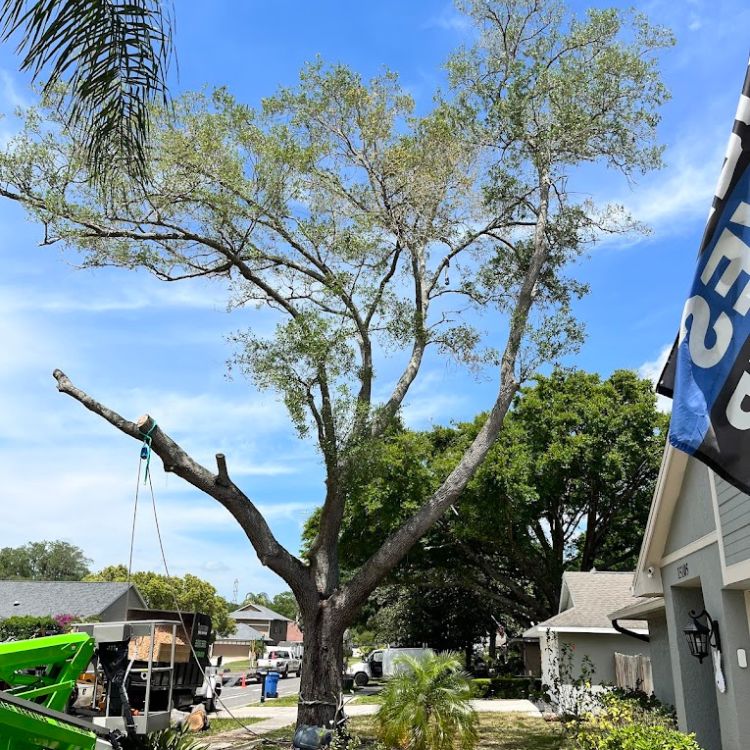
Tree trimming cost usually depends on how much needs to be removed and how complex the work is, including the tree’s size, access to the branches, how close limbs are to your home or utilities, and whether the trimming is routine pruning or corrective crown reduction. For homeowners, the best “value” is trimming that improves clearance, supports healthier structure, and reduces hazards like dead or overextended limbs. A practical next step is to ask for a plan that matches your goals, such as tree pruning for shape and clearance, rather than trimming only what is easiest to reach.
What to Check First
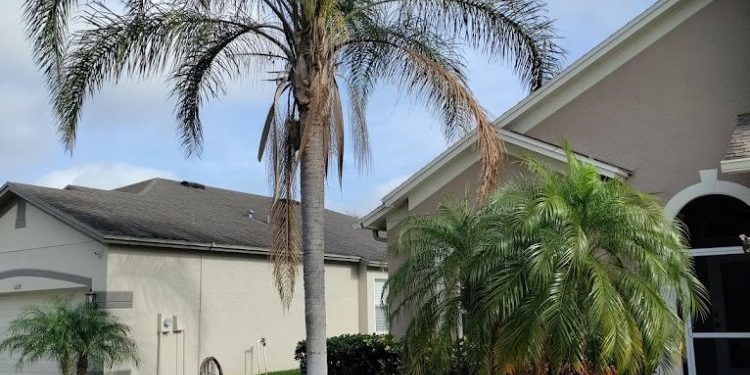
Before you compare options, take a quick walk around your property. Look for branches that are contacting the roof, gutters, fences, or power lines, as well as areas where the canopy is leaning or thinning. Also note whether you are dealing with dead tree removal needs, storm damage, or general maintenance. When trimming is the right service, the scope should be clear: which limbs are coming out, which limbs are being reduced, and what clearance you want around structures.
Safety clearance
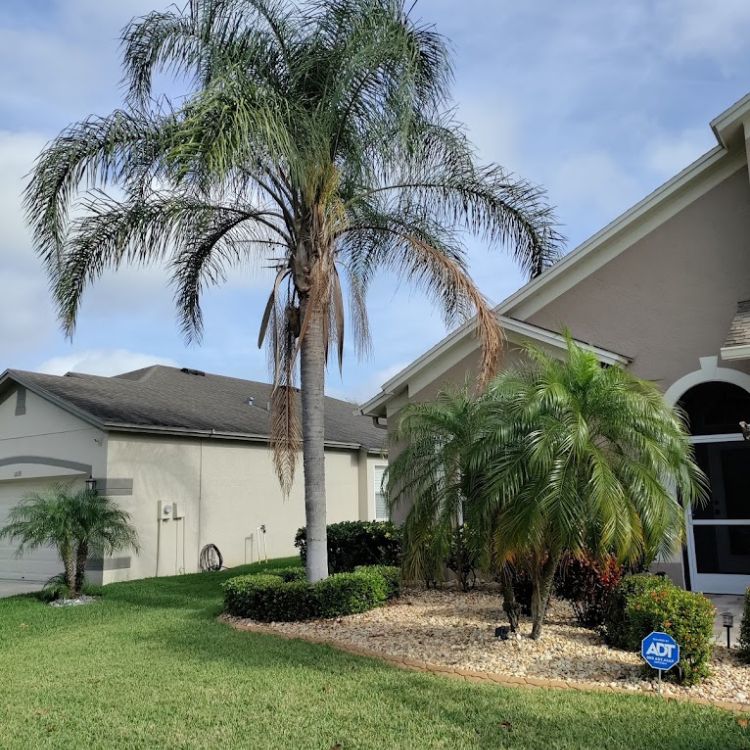
Overhanging limbs near structures or pathways often require more careful, targeted tree cutting or pruning.
Tree health goals
Tree shaping, crown thinning, or crown reduction can help manage density and airflow when done appropriately.
Site access
Slopes, tight spaces, and obstacles can increase time and equipment needs, even when the tree is not extremely large.
Main Things Customers Should Understand
Homeowners typically expect tree trimming to be a simple “trim and done” job, but the value comes from matching the trimming method to the tree and the problem. In practice, the scope can range from routine pruning to corrective work like removing deadwood, reducing risky limbs, or restoring safer structure after storms. Here are the main elements that influence both cost and outcome.
Professional observation: The most cost-effective plan is usually the one that solves the real clearance and safety issue. If a tree’s structure is failing or limbs are dead or hazardous, “light trimming” may not address the underlying risk.
| What you notice | Common service approach | Why it affects value |
|---|---|---|
| Branches blocking roofline or gutters | Tree trimming with targeted clearance cuts | Value comes from removing the right limbs while preserving healthy structure. |
| Dense canopy that shades landscaping | Tree pruning with crown thinning | Thinning can reduce density without stripping the tree. |
| Overextended limbs that feel heavy or unstable | Tree cutting or crown reduction (as needed) | Reduction can lower load and improve balance, but the scope must be assessed. |
| Dead or hazardous limbs | Dead tree removal (part of trimming scope when applicable) | Removing deadwood improves safety and helps reduce further breakage. |
| After a storm, limbs are broken or hanging | Storm damage cleanup and hazard removal | Timeliness and careful handling often matter for preventing secondary damage. |
| Stump left behind after removal | Stump grinding or stump removal | Completing the job can improve yard usability and reduce future issues. |
How trimming scope is usually defined
When a team evaluates tree trimming, they typically consider how high and wide the canopy is, which limbs are involved, and whether the work includes tree shaping, crown thinning, or crown reduction. If the goal is to improve tree health assessment outcomes, the plan should consider structure and airflow, not just cutting back to “what looks shorter.” For homeowners, that translates to better long-term results and fewer repeated calls.
Where “tree trimming near me” searches can go wrong
A common problem in residential tree service requests is choosing based on the phrase “near me” alone. Distance is not the only factor that matters. The better question is whether the crew’s approach fits your situation, such as whether you actually need tree pruning versus tree removal, or whether stump grinding is part of the overall plan.
Why This Matters in Valrico, TX
In Valrico, TX, many properties have mature shade trees that grow quickly and can shift after storms. That means homeowners often need trimming that addresses both clearance and structural balance, especially when limbs start rubbing on roofs, leaning toward driveways, or creating dense shade over time. If you are planning maintenance around seasonal growth spurts, you can often reduce the chance that a minor issue becomes a larger hazard later.
For people handling more than just trimming, it can also be helpful to think about the full project. For example, if you are clearing space for new landscaping or access, lot land clearing may be part of the overall plan. If you have storm-impacted branches, storm damage cleanup can prevent additional breakage before it turns into a bigger job.
Customer-focused tip: If you are unsure whether you need tree trimming or tree removal, start with a tree health assessment. The right service depends on the tree’s condition, not just how it looks from the street.
Common Mistakes to Avoid
Homeowners usually want to do the right thing, but a few patterns can lead to extra cost or a result that does not last. Here are common mistakes to watch for when planning residential tree service in Valrico, TX.
- Waiting until branches are already touching structures instead of addressing clearance earlier.
- Choosing cuts based only on appearance rather than on structure and tree health assessment.
- Assuming “more trimming” is always better when crown thinning or targeted pruning may solve the problem with less stress to the tree.
- Forgetting the follow-up work if you later remove a tree and need stump grinding for stump removal and safe yard use.
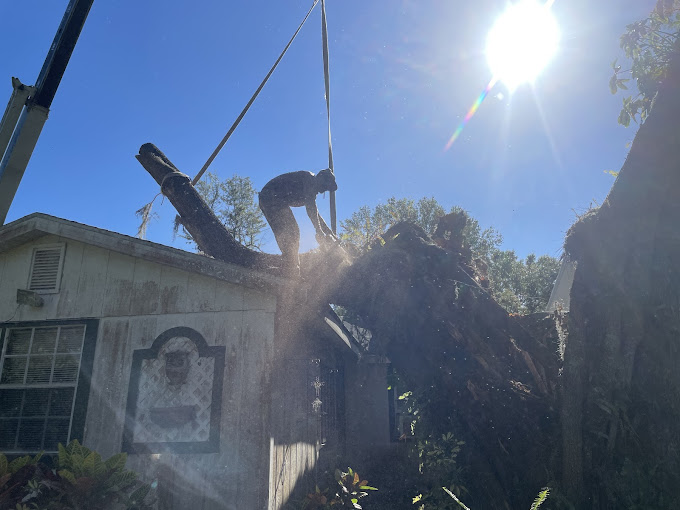
- Underestimating storm damage risk when limbs are hanging or cracked, which can lead to secondary impacts.
Customer Checklist
Use this checklist before you schedule tree trimming. It is designed to help you communicate clearly, compare scope, and make sure the work matches your goals for tree care services in Valrico, TX.
Practical recommendation: When you call, describe what you are seeing (clearance issues, deadwood, lean, storm damage) and what you want to protect (roofline, walkways, landscaping). A detailed scope usually leads to a more predictable outcome.
- Confirm the problem area: roofline, driveway, fence line, or landscaping shade.
- Note any dead or broken limbs you can see from ground level.
- Decide your goal: tree pruning for shape, crown thinning for density, or crown reduction for clearance and balance.
- Check access points: gate width, driveway space, and whether equipment placement is practical.
- Ask whether the scope includes related services like tree cutting, storm damage cleanup, or stump grinding if removal work is planned.
- Make sure you understand the follow-through: if a tree is removed, plan for stump grinding or stump removal as part of the project.
Representative scenario
A homeowner in Valrico, TX notices limbs brushing their gutters and creating a constant debris buildup. The homeowner also sees a few small dead branches near the outer canopy. Instead of cutting back randomly, the team focuses on targeted tree trimming to improve clearance, removing deadwood that poses a hazard while performing pruning that supports healthier structure. After the trimming, the homeowner has safer clearance and a canopy that is less likely to overreach the roofline during the next growth cycle.
Need help choosing the right tree trimming scope?
Timber Kings Tree Service can help you determine whether you need tree pruning for maintenance, tree cutting for clearance, or storm damage cleanup based on what you are seeing on your property in Valrico, TX.
(813) 701-0498Frequently Asked Questions
What drives the cost of tree trimming for homeowners?
Tree trimming cost is usually driven by the scope of work and how complex the job is. That includes the size and height of the tree, how much trimming is needed, and whether cuts are routine pruning or more corrective work like crown reduction. Access matters too, since tight spaces and obstacles can slow down the job. Finally, if the trimming includes dead tree removal or hazardous limb work, the process can require additional care to reduce risk.
Is tree trimming the same as tree pruning?
They are related, but not always identical. Many homeowners use the terms interchangeably. In practice, tree pruning is typically the intentional removal of specific branches to improve structure, health, and growth direction. Tree trimming can be the broader term people use for any trimming work, including clearing space around structures. A good plan clarifies the goal, such as tree shaping, crown thinning, or crown reduction, so the cuts match the outcome you want.
When should I consider storm damage service instead of routine trimming?
If you have broken, hanging, cracked, or visibly stressed branches after a storm, storm damage work is often the safer starting point. Hanging limbs can fall unpredictably, and partially damaged branches may fail later even if they look stable at first. A storm-focused inspection helps identify fallen tree removal needs and hazardous areas that require careful handling before they create additional damage to your home or landscaping.
Do I need stump grinding after tree removal?
Often, yes. If a tree is removed and a stump remains, stump grinding is commonly used for stump removal and to make the yard easier to use and maintain. Stumps can also interfere with mowing, landscaping, and future planting plans. If you are managing a larger property project, you may also consider lot land clearing and brush clearing, but stump grinding is usually the step that addresses what is left behind after tree removal.
Can trimming help with tree health if the tree looks “overgrown”?
Trimming can support tree health when it is done for the right reasons. For example, crown thinning can improve airflow and reduce excessive density, and targeted pruning can address weak or poorly placed growth. However, trimming is not a universal fix. If you suspect tree disease treatment needs or tree pest control issues, a tree health assessment is the better first step. The goal is to improve structure and reduce hazards, not just reduce size.
Talk with Timber Kings Tree Service about your tree care plan
Whether you need tree trimming, tree pruning, storm cleanup, or stump grinding in Valrico, TX, we can help you choose a scope that targets your actual goals and risks.
Explore Tree TrimmingIf your situation includes other parts of the property project, you can review related services here: storm damage cleanup, stump grinding, lot land clearing, and emergency tree service.
About Timber Kings Tree Service
Timber Kings Tree Service provides residential tree service and tree care services for homeowners and property managers in Valrico, TX and the surrounding areas. Our focus is practical, safety-minded tree trimming and tree pruning, along with support services like tree removal, stump grinding, storm damage work, and lot land clearing when the full project requires it.
Local service: Serving Valrico, TX & surrounding areas. Call (813) 701-0498 or visit timberkingstreeservice.com.