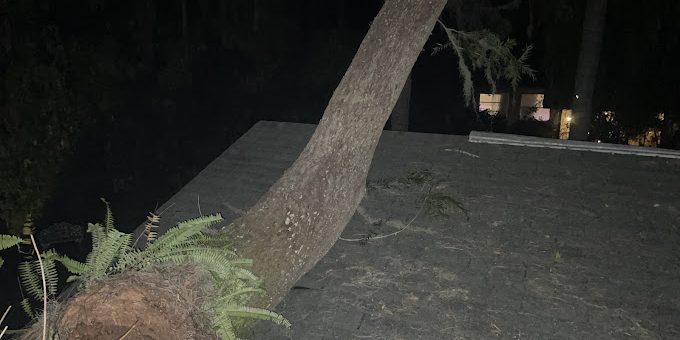
If a tree fell across your driveway or branches are hanging after a storm in Valrico, TX, you need more than quick cutting. This guide walks you through what to check first, how to prioritize hazards, and what a careful storm cleanup typically includes.
After high winds, heavy rain, or lightning, it is common for trees in and around Valrico, TX to break, split, or partially fall. The driveway may be blocked, power lines may be involved, and branches can stay suspended in a way that looks stable until the next gust.
You might be wondering whether to wait, which areas are safest to access, and what “emergency cleanup” should include. This guide helps you sort out hazards, document damage, and understand the practical steps that go into restoring safe access and protecting nearby landscaping.
- Quick answer
- What to check first
- Main things customers should understand
- Why this matters in Valrico, TX
- Common mistakes to avoid
- Customer checklist
- Frequently asked questions

Quick Answer
If a tree is down, hanging, or leaning after a storm, treat it like a safety issue first. Keep people and vehicles away from the area, watch for electrical hazards, and avoid tugging branches or trying to cut anything that is still under tension. A storm-damage focused crew can evaluate stability, remove fallen tree sections, and address risks like broken limbs, damaged crowns, and blocked access. Your best next step is to call Timber Kings Tree Service and describe what you see so they can guide the safest cleanup plan for your property in Valrico.
What to Check First
Before anyone touches the tree debris, do a quick hazard scan from a safe distance. Start with the obvious: is anything touching power lines, is there active sparking, or does the tree sit against a structure like a roofline or fence? If yes, you should keep clear and focus on getting proper utility and professional help rather than attempting DIY removal.
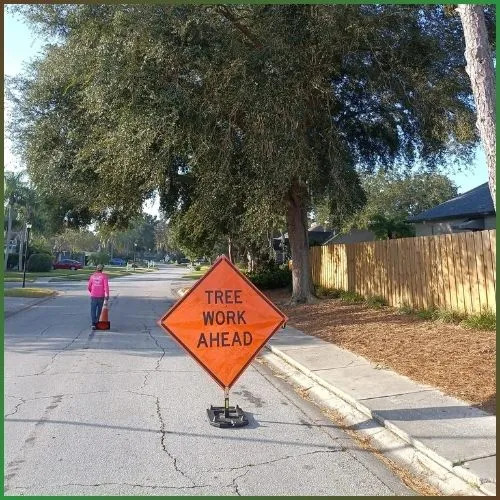
Professional observation: After storms, the biggest risk is “hidden tension.” Branches and trunk sections can look manageable while they are still under pressure, which is why careful assessment comes before cutting.
Main Things Customers Should Understand
Emergency storm cleanup is not just about clearing the driveway. A responsible approach considers what the tree is likely to do next, what damage exists below the surface, and what should be removed now versus monitored for later structural failure. In Valrico, properties often have a mix of mature shade trees, ornamental plantings, and established yards where debris removal needs to be done without causing additional harm to landscaping and nearby property features.
Fallen tree removal vs. partial hazards
Sometimes the trunk is down, but the hazardous part is still hanging. A good storm plan addresses both the visible fall and the unstable “second failure” risk.
Access restoration
Clearing safe paths for vehicles, pedestrians, and emergency access often needs a deliberate sequence so debris does not shift onto driveways, walkways, or landscaping.
Follow-up tree care
After storm breakage, trees can require pruning for safety and health. In many cases, removing compromised sections is only step one of restoring long-term tree health.
One firsthand-style pattern we see during storm cleanup is this: the “worst-looking” branch is not always the most dangerous. A leaning trunk or a limb trapped in another tree may be the piece most likely to move when crews step in, when weight shifts, or when the wind returns. That is why a storm-damage approach usually includes measuring how the debris is supported, planning cuts to reduce shifting, and removing sections in a controlled sequence.
Which storm cleanup tasks usually apply?
Use this table to match what you see to the kind of work that may be needed.
| What you notice on your property | Common cleanup priority | Related service you may need |
|---|---|---|
| Tree is fully down across a yard, driveway, or walkway | Remove fallen sections safely and restore access | Storm damage cleanup |
| Major limb is hanging overhead or resting against a structure | Stabilize and remove hazardous sections first | Tree removal |
| Branches are broken but the tree is still standing | Remove damaged limbs and reduce unsafe overhang | Tree trimming |
| Stump remains after debris removal | Handle stump and root mass for safety and yard usability | Stump grinding |
| Tree and brush debris blocks a property boundary or yard layout | Clear vegetation for land usability and future access | Lot land clearing |
Why This Matters in Valrico, TX
In Valrico, storms can leave behind tangled limbs, wet wood, and partially shifted roots that do not behave the same as dry debris. When temperatures swing and wind returns, unstable sections can move again. That means the safest storm cleanup is usually about more than speed. It is about evaluating stability, clearing hazards in a sensible sequence, and then planning follow-up tree care so the yard can recover without creating new weak points.
Need help prioritizing storm tree hazards in Valrico?
Call Timber Kings Tree Service. Share whether a tree is down, hanging, or near your house or lines so we can discuss the safest cleanup approach for your situation.
(813) 701-0498Common Mistakes to Avoid
After a storm, homeowners often try to “get it done” quickly, but a few common actions can increase risk or create extra damage. These are the mistakes we see most frequently around Valrico properties.
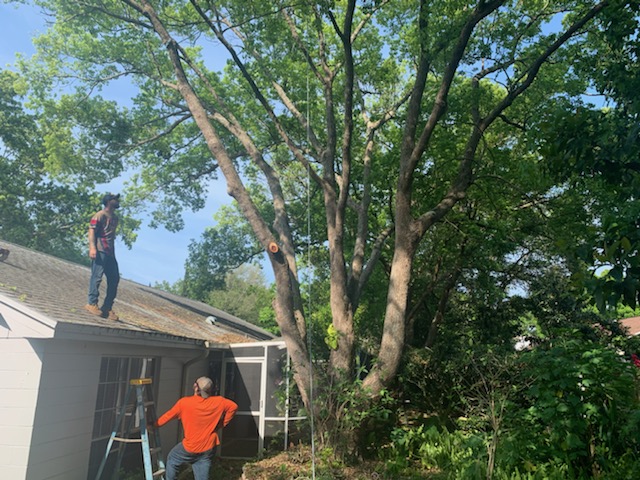
- Pulling on branches that are still supported by other limbs, fence lines, or the trunk. This can release tension suddenly.
- Walking under hanging limbs or standing near a leaning trunk to “watch it” while it settles.
- Using the wrong cutting approach on a tree section under load, which can cause unpredictable cracking and shifting.
- Ignoring root-related movement when a tree partially uprooted. Even if it looks stable, the root plate can continue shifting as soil dries.
- Forgetting follow-up care after debris removal. Broken crowns and damaged limbs can still affect tree health and future safety.
Customer Checklist
Use this checklist to prepare before a storm-damage cleanup crew arrives. It helps the conversation move faster and helps ensure the work plan addresses what matters most on your property in Valrico.
Before cleanup starts
- ✓ Note where the tree debris is blocking access (driveway, gate, walkway) and which areas you need cleared first.
- ✓ Identify any contact with power lines, roof edges, sheds, fences, or landscaping features.
- ✓ Keep pets and people inside or away from the work zone until the hazard is cleared.
- ✓ If the tree is partially broken, point out whether you see cracks, leaning, or “hanging” limbs overhead.
Frequently Asked Questions
Here are answers to common storm cleanup questions homeowners and property managers ask after wind and heavy weather in and around Valrico, TX.
How do I know if a tree is safe to leave overnight after a storm?
If the tree is down, leaning, or has limbs hanging overhead, treat it as unsafe. Look for signs of tension such as cracked trunk sections, limbs still supported in the air, or debris resting against structures or other trees. Wet wood can also shift as it dries, and wind can change how debris is supported. When you are unsure, it is safer to keep people away and request an on-site assessment so the cleanup can address the hazard sequence, not just the visible mess.
What should I do if a fallen tree is near power lines?
If any part of the tree debris is near or touching power lines, do not move it yourself. Keep a wide safety buffer and avoid approaching the area. Contact the proper utility process and let professionals handle the situation. When you call Timber Kings Tree Service, describe what you see from a safe distance, including whether the lines appear to be involved. We can help coordinate a safe cleanup plan focused on hazard removal and restoring access without creating additional risk.
Will storm-damage cleanup also include pruning for tree health?
Often, yes. Once debris is removed, the next question is what the remaining tree structure looks like. Broken limbs can leave open damage points, and compromised branches may become unsafe later. A storm-damage cleanup plan may include pruning for safety and removing dead or hazardous sections. If you are deciding between trimming and removal, an on-site evaluation helps determine whether the tree can be managed with careful pruning or if removal is the safer path.
Do I need stump grinding after storm cleanup?
It depends on what remains after the tree is removed. A stump can create trip hazards, interfere with mowing and landscaping, and attract unwanted regrowth. In many cases, stump removal through grinding is the practical step that helps homeowners reclaim usable yard space. If your cleanup includes tree removal, ask whether stump grinding is needed based on how large the stump is and how you plan to use the area afterward.
What if storm debris is blocking more than one area of my property?
That is common, especially when trees fall across driveways and branches scatter into multiple yard sections. The safest cleanup typically follows a priority order: clear hazards first, restore essential access, then move on to the remaining debris. When you call Timber Kings Tree Service, share which locations matter most to you, such as driveway access, gate clearance, or an area you need for equipment or cleanup. That helps the crew plan the sequence of removal.
Get your storm cleanup plan started
Whether you need emergency tree service support, storm-damage cleanup, or follow-up tree care, Timber Kings Tree Service can help you make a safe plan for your Valrico property. Tell us what is down, what is hanging, and what area you need cleared first.
Emergency tree service
Timber Kings Tree Service
Timber Kings Tree Service provides tree care services for homeowners and businesses in Valrico, TX and surrounding areas. From storm damage to tree removal, tree trimming, stump grinding, and lot land clearing, our focus is on practical, safety-first cleanup and responsible tree care so your property can return to normal.
If you are dealing with storm damage, start with the service page for storm damage cleanup or call (813) 701-0498 to discuss your situation.