Tree Service Signs Your Trees Need Trimming Now
If your yard in Valrico, TX is starting to feel “overgrown” or you notice branches creeping into walkways, rooflines, or power lines, you do not have to guess. This guide explains the most common trimming warning signs, what they usually mean for tree health, and when tree cutting, pruning, or other services like tree removal and stump grinding may be the safer next step.
Last week you noticed a couple of branches brushing the roof edge during breezy days. This week, you are seeing new growth leaning toward the driveway and one limb looks darker and heavier than the rest.
That is a common situation for homeowners across Valrico, especially when trees have been left to grow season after season. The problem is that trimming is not only about appearance. The right pruning can reduce hazards, improve airflow, and help your trees keep a healthier shape.
- Quick answer
- What to check first
- Main things customers should understand
- Why this matters in Valrico, TX
- Common mistakes to avoid
- Customer checklist
- Frequently asked questions
Quick Answer
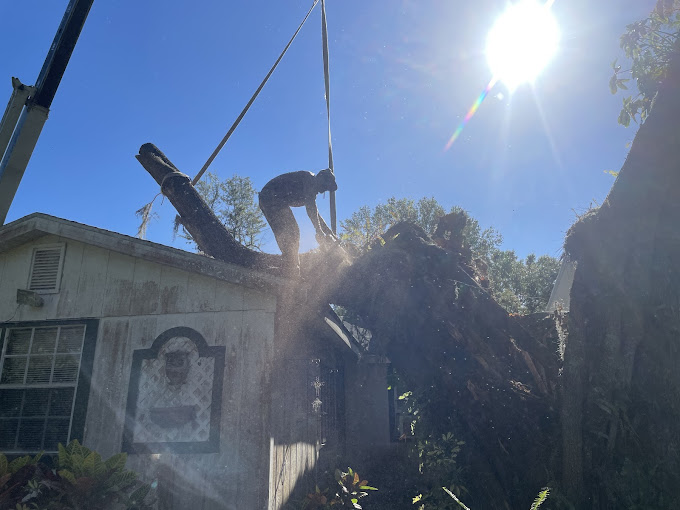
Trim your trees now if you see dead or dying limbs, branches crossing fences or walkways, heavy limbs hanging close to your home, or crown growth that is blocking airflow. In Valrico, TX, storm season can also make weak or overextended limbs more risky. Start by inspecting for deadwood, rubbing branches, and unusual leaning, then schedule an arborist-style tree health assessment. If you are dealing with hazardous limbs after weather, prioritize safety and consider emergency tree service so the situation is handled correctly.
What to Check First
Begin with a quick “yard walk” and look for the signs that usually mean a trimming or tree pruning plan is overdue. You do not need special tools, just good visibility and a checklist of what could become a problem later.
Deadwood and snapped tips
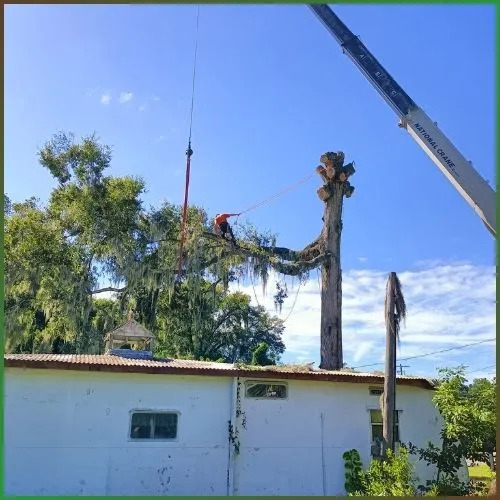
Thin, brittle branches or sections that look lifeless often indicate the tree is already losing structure. Dead tree removal is sometimes part of a broader trimming plan.
Crossing or rubbing limbs
When branches grow into each other, they can damage bark and create entry points for pests and disease. Crown thinning or crown reduction may be the fix.
Growth too close to the house
Branches touching gutters, siding, or the roof edge can lead to abrasion and moisture issues. Tree cutting should be planned so the shape stays balanced.
Main Things Customers Should Understand
The timing and type of trimming matter. Cutting “a little here and there” can make a tree look better temporarily, but it can also weaken it if the cuts remove the wrong limbs or open the crown too aggressively.
Professional observation: Trimming decisions should be based on tree health, structure, and clearance. A good pruning plan keeps the crown functional, improves airflow, and removes only what needs to come out for safety and long-term growth.
Here are the most common trimming reasons we see around residential properties in Valrico, TX:
1) Your tree is getting too dense
If the canopy looks like a solid mass with little light or airflow inside, you may notice more leaf clutter, shaded turf, or an increase in fungal issues. Crown thinning helps reduce density while keeping the overall shape.
2) You are seeing signs of stress or disease
Clues like patchy foliage, peeling bark, or recurring dieback in the same area can point to tree disease treatment needs. Sometimes the “trimming” step is really a tree health assessment first, followed by selective pruning to support recovery.
3) Limbs are overreaching into utility or access paths
When limbs grow toward driveways, garages, or fences, they can create daily access problems and also increase impact risk during wind. Tree pruning can manage clearance, but hazardous limbs should be handled carefully.
4) The shape is becoming unbalanced
One-sided growth, heavy limbs on one side, or consistent leaning can strain branches over time. Crown reduction or targeted shaping can help bring the tree back into a safer proportion.
Practical recommendation: If you are unsure whether a limb is merely overgrown or actually hazardous, focus on clearance and structure. When in doubt, choose a service that starts with an inspection, not just a “cut and haul.”
In some cases, trimming is not the full answer. For example, if a tree has severe decay or persistent deadwood, tree removal may be the safer path. If you are planning yard updates, lot land clearing may also be part of the overall plan.
| What you notice | Likely next step | Why it matters |
|---|---|---|
| Thin, dead branches in the canopy | Tree pruning with deadwood removal | Dead sections can break under wind and create a hazard for people and property. |
| Branches crossing or rubbing other limbs | Crown thinning or selective pruning | Reducing contact helps prevent bark damage and supports healthier growth. |
| Roots or stumps left behind after prior cuts | Stump grinding or stump removal | Stumps can interfere with mowing, landscaping, and future yard work. |
| Branches damaged after weather | Storm damage cleanup and tree trimming/cutting as needed | Broken limbs can be unstable even if they look “mostly fine.” |
| Overgrowth across a whole property area | Lot land clearing or brush clearing | Large-scale clearing is often safer and faster when planned as a full project. |
Why This Matters in Valrico, TX
In Valrico, TX, trees often grow quickly and absorb repeated seasonal stress. When growth gets dense and branches extend toward structures, storms and high winds can turn “normal overgrowth” into a safety concern. Trimming before problems escalate helps reduce the chance of fallen tree removal needs and helps your landscape stay usable through the year.
One firsthand detail we see often: homeowners typically notice the issue after the canopy has already shifted. By the time limbs start scraping gutters or hanging lower over a walkway, the tree’s internal structure may already be strained. A targeted pruning plan can help restore balance without removing more than necessary.
Get a practical tree trimming plan for your property
If your trees are getting closer to the house, fences, or walkways, Timber Kings Tree Service can help you decide what to prune, what to leave, and what should be handled as a separate service like tree removal or stump grinding.
Explore tree trimming optionsCommon Mistakes to Avoid
Homeowners in Valrico usually mean well when they try to manage growth themselves. The issue is that a few common shortcuts can create long-term problems for tree health and make hazards worse later.
- Over-pruning in one session: Removing too much at once can stress the tree and lead to weak regrowth.
- Cutting without thinking about clearance: A branch that is “fine today” can swing into a walkway or roofline when wind picks up.
- Ignoring deadwood: Dead branches can break unpredictably even if the rest of the tree looks healthy.
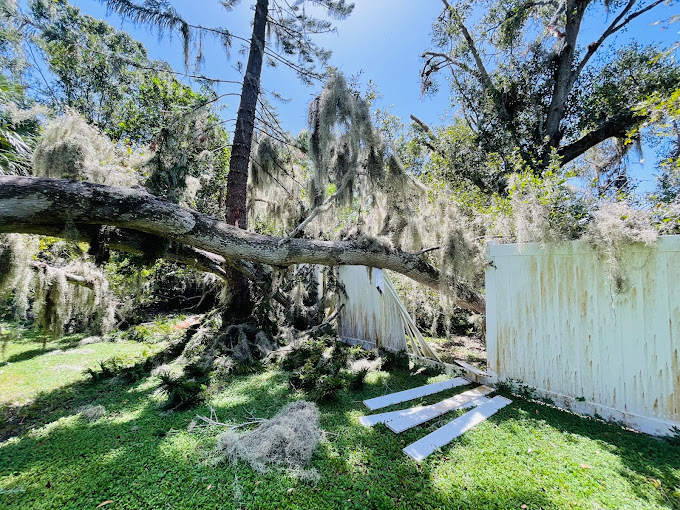
- Trying to handle hazardous limbs alone: If a limb is unstable or entangled, it is not a DIY job. Emergency tree service may be the safer route.
- Forgetting the stump: After tree cutting, leaving stumps can create trip hazards and block future landscaping work.
If your property has storm damage, prioritize safety first and plan cleanup with care. For storm-related situations, consider storm damage tree cleanup so broken limbs and unstable sections are addressed properly.
Customer Checklist
Use this checklist before you call. It helps you describe the problem clearly and gives your tree service company the details needed for a proper inspection.
How to use this: Walk the yard slowly, then pick the items that match what you see. If anything feels unstable or risky, stop and wait for a professional inspection.
- Dead or dying branches: Note where you see deadwood and whether it is near the house or walkways.
- Clearance issues: List areas where branches touch or come within reach of roofs, gutters, fences, or driveways.
- Branch movement: Pay attention to any limbs that shift, crack, or hang lower than they did before.
- Tree shape changes: Mention leaning, uneven canopy growth, or sudden thinning in one section.
- Stump concerns: If you recently had tree cutting done, note whether stump grinding is still needed.
- Property goals: Tell us if you want better light for landscaping, safer access paths, or prep for lot land clearing.
Frequently Asked Questions
Below are common questions homeowners ask when deciding whether tree pruning is enough or whether another service is needed.
How do I tell the difference between healthy growth and trimming that is overdue?
Healthy growth usually expands gradually and maintains a consistent canopy shape. Trimming that is overdue often shows up as dead or brittle tips, branches rubbing and crossing, limbs hanging lower over walkways, or sections that repeatedly die back. If you notice the same areas worsening over multiple seasons, that is a good sign to request a tree health assessment. For many homeowners, the goal is not to remove “everything,” but to correct structure, improve airflow, and reduce hazard points.
Can crown thinning or crown reduction fix problems caused by storm damage?
Sometimes. Crown thinning or crown reduction can help manage density and shape after the canopy has shifted, but storm damage can also create hidden instability. Broken branches may still be attached in a way that makes them unsafe to leave. If you are dealing with fallen tree removal concerns or damaged limbs after weather, it is best to start with an inspection and then follow with the right mix of cleanup and tree cutting. If the situation is urgent, using emergency tree service guidance is the safer approach.
When should I consider stump grinding instead of only trimming the tree?
Stump grinding comes into play when a tree has already been removed, cut back significantly, or died off and you are trying to regain usable yard space. Stumps can interfere with mowing, landscaping, and drainage improvements. If you are planning brush clearing or lot land clearing, removing the stump can make the rest of the work smoother. Even if the stump is not “in the way” today, it can become more of a problem once you start landscaping or walking the area more often.
Is tree pruning the same as tree trimming?
In everyday conversation, people often use “tree trimming” and “tree pruning” interchangeably. In practice, pruning is usually the more specific term for selective cuts that support tree health and structure. Trimming can refer to general maintenance, but it still should be done with the tree’s growth pattern in mind. The safest way to think about it is this: ask what the plan is for your tree’s structure, clearance, and canopy density. That is how arborist services move from “cutting” to a coordinated tree care plan.
What should I do if a branch feels unstable but no part has fallen yet?
If a limb feels like it could move, crack, or drop, treat it as a hazard. Do not try to “test” it with a ladder or by pushing it. Instead, document what you see from a safe distance, note the location relative to your home or walkways, and request an inspection. If the concern is immediate due to storms or high wind conditions, emergency tree service guidance is the safer way to proceed. Removing hazardous tree sections is typically about stability and controlled cuts, not just trimming for appearance.
Ready to address the trimming signs you are seeing?
Timber Kings Tree Service helps homeowners across Valrico, TX and surrounding areas with tree trimming, tree cutting, and related tree care services when the risk and the structure say it is time.
Call (813) 701-0498
About Timber Kings Tree Service
Timber Kings Tree Service is a local tree service provider serving Valrico, TX and surrounding areas. They offer tree trimming and tree pruning, tree cutting, storm damage cleanup, stump grinding, and lot land clearing. If your property needs residential tree service or commercial tree service, the focus is on practical tree care that addresses safety, structure, and long-term tree health.
If you are deciding between trimming, tree removal, or stump grinding near me, start with an inspection so the plan matches what your trees actually need.