Emergency Tree Service for Blocked Roads and Entrances
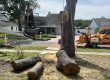
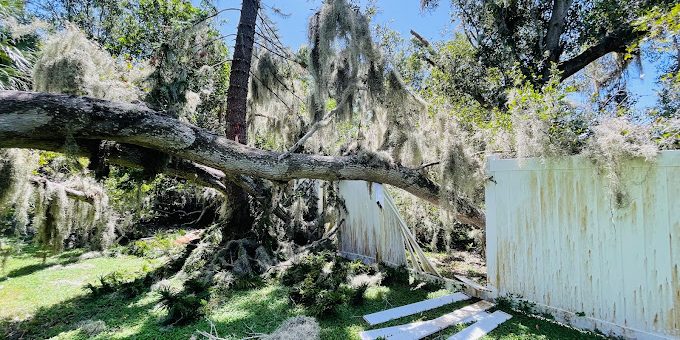
On a stormy August evening in Valrico, a large laurel oak came down across a neighborhood entrance off Lithia Pinecrest Road, blocking residents from getting in or out. Power lines sagged, cars backed up, and one resident needed to get to the hospital. Within an hour, an experienced local crew had the tree cut, debris pushed aside, and the roadway safely reopened.
Scenarios like this aren’t rare in Hillsborough County. The Tampa Bay region averages dozens of severe weather events a year, from summer thunderstorms to tropical systems. In these conditions, trees become more than a landscaping feature — they can become a serious safety hazard and a major disruption to homes and businesses.
This guide explains how professional emergency tree service protects access to your property, what actually happens during a blocked-road response, how to reduce your risk ahead of storms, and when to call in a certified arborist for long-term tree care. You’ll also learn what to expect in terms of cost, timelines, and safety protocols specific to Valrico and surrounding communities.
Key Insight: Fast, professional emergency tree work isn’t just about cutting up a fallen trunk — it’s about restoring safe access, protecting people and property, and making smart decisions about your trees before and after a crisis.
Why Blocked Roads and Entrances Are a True Emergency
Blocked driveways, parking lots, and private roads are more than an inconvenience. They can delay emergency vehicles, disrupt business operations, and trap residents during dangerous weather.
In Valrico and greater Hillsborough County, many neighborhoods have:
- Single points of entry or long private drives
- Mature live oaks, laurel oaks, and pines near roads and structures
- Sandy soils and high water tables that can undermine root systems
That combination means one failed tree can completely cut off access.
“Any time a tree blocks the only way in or out, it becomes a life-safety issue, not just a clean-up job.” — ISA Certified Arborist
Common emergency scenarios include:
- A large oak blocking a subdivision entrance after a thunderstorm
- A pine snapped across a commercial driveway, halting deliveries
- A split limb hanging over a gated community entrance, ready to fall
- A tree uprooted across a private easement needed by multiple neighbors
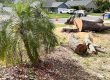
In each of these cases, a professional crew focuses first on making a safe access path. That may mean partial Tree Removal to clear vehicles, then returning later for full clean-up and Stump Grinding.
As we move forward, it helps to understand exactly how an emergency tree service call unfolds and what separates a true emergency response from routine tree work.
What Actually Happens During an Emergency Tree Service Call
When a tree blocks a road or entrance, time and safety are the priorities. Professional emergency crews follow a structured response that’s very different from standard scheduled work.
Step 1: Triage and Safety Assessment
When you call an Emergency Tree Service provider, they’ll ask key questions:
- Is anyone injured or trapped?
- Are power lines involved or nearby?
- Is this your only access point?
- Is the tree still moving or hanging?
A trained crew arrives with chainsaws, rigging gear, loaders, and often a bucket truck. The first task is to evaluate:
- Electrical hazards (coordination with TECO or other utilities)
- Structural hazards (leaning trunks, cracked stems, hanging limbs)
- Ground conditions (flooding, unstable soil, limited equipment access)
If power lines are involved, work pauses until the utility confirms the lines are de-energized or secured.
Step 2: Creating Safe Access
The immediate goal is to restore access quickly and safely, not to make the site look perfect. That often means:
- Cutting a path wide enough for vehicles
- Pushing or lifting heavy sections to the side with equipment
- Securing hanging limbs so they don’t fall onto cars or people
For example, after a summer storm near Valrico Lake, a large water oak blocked both lanes of a residential street. The crew cut strategic sections, cleared one lane within 45 minutes, and returned the next morning for detailed clean-up and Dead Tree Removal of a second compromised tree nearby.
“In a true emergency, we think like first responders: clear the way, control the hazards, and then clean up the mess.”
Step 3: Stabilization and Follow-Up Work
Once access is restored:
- Remaining hazards are identified (cracked limbs, compromised neighbors)
- The property owner decides on additional work: full Hazardous Tree Removal, Tree Trimming, or later Stump Removal.
- A plan is set for insurance documentation and long-term tree care
This staged approach allows you to get your road or entrance open quickly while still making smart decisions about the rest of your trees.
Emergency vs. Routine Tree Work: What’s the Difference?
Many property owners are surprised by how different emergency service is from planned tree care. Understanding this difference can help you plan, budget, and prioritize.
How Emergency Work Differs
- Timing: Nights, weekends, and storms often require immediate response.
- Risk Level: Unstable trees, wet ground, and limited visibility increase danger.
- Scope: Focus is on access and safety, not aesthetics.
- Coordination: May involve utilities, local authorities, or HOAs.
Here’s a simple comparison:
| Aspect | Emergency Tree Service | Routine Tree Care / Maintenance |
|---|---|---|
| Scheduling | Immediate / same-day, 24/7 | Planned days or weeks in advance |
| Primary Goal | Restore access & eliminate hazards | Improve health, structure, and appearance |
| Conditions | Often during or right after storms | Controlled, dry, daylight conditions |
| Cost Structure | Premium for urgent, high-risk response | Standard rates with options for bundling work |
| Typical Services | Fallen Tree Removal, hazard mitigation | Tree Pruning, Tree Cutting, inspections |
| Documentation | Often for insurance and liability | Often for long-term maintenance plans |
In Valrico, many emergencies occur during hurricane season or late-summer thunderstorms. Crews are stretched, equipment is in constant use, and conditions are unpredictable. That’s why rates and response logistics differ from a Tuesday-morning pruning visit.
By investing in proactive care, you turn potential emergencies into manageable maintenance tasks — and that’s almost always cheaper and safer.
Preventing Blocked Entrances: Proactive Tree Care Strategies
The best emergency is the one that never happens. Many blocked-road incidents in Valrico could have been prevented with strategic, professional care earlier in the year.
Risk Factors Around Entrances and Driveways
Trees that pose the highest risk to access points often share traits:
- Large, overextended limbs over driveways or private roads
- Decay at the base, visible cavities, or fungal growth
- Previous improper topping or over-thinning
- Roots disturbed by construction or driveway installation
- Species prone to failure in storms (e.g., older laurel oaks)
A Tree Health Assessment by a certified arborist can identify which trees are likely to fail and which can be made safer with pruning or structural support.
Strategic Pruning and Crown Management
Proper pruning is one of the most effective ways to reduce storm damage and prevent blocked access:
- Crown Thinning: Selective removal of interior branches to reduce wind resistance.
- Crown Reduction: Carefully reducing height or spread to decrease leverage on the trunk.
- Tree Shaping: Guiding growth away from driveways, sidewalks, and structures.
These techniques are very different from “tree topping,” which weakens trees and often increases failure risk.
For a Valrico business with a narrow commercial entrance, targeted Crown Reduction and Crown Thinning on several live oaks significantly reduced overhanging weight. Two years later, a tropical storm brought 50+ mph winds — the trees held, and the driveway stayed clear.
Addressing Problem Trees Early
Sometimes, the safest and most cost-effective option is full removal:
- Severely decayed trunks
- Trees with major root damage or upheaval
- Trees leaning over the only access road
- Dead or dying trees near parking lots or entrances
Paired with Stump Grinding Near Me, removing a high-risk tree and replanting with a more suitable species can preserve canopy cover while protecting access.
Storm Damage, Debris, and Land Clearing After a Major Event
Major storms often create more complex situations than a single tree blocking a driveway. You may face a combination of downed trees, broken branches, and scattered debris across roads, yards, and parking areas.
Coordinated Storm Response
After a hurricane or severe thunderstorm, a professional crew will:
- Prioritize access routes first (driveways, shared roads, fire lanes)
- Remove or secure hanging limbs over entrances
- Clear parking areas for businesses and multi-family properties
- Plan follow-up Storm Damage clean-up and restoration work
For example, after a tropical system passed through eastern Hillsborough County, a Valrico HOA had:
- Three large pines down across the main entrance
- Multiple smaller trees leaning into sidewalks
- Heavy debris and broken limbs throughout common areas
The emergency team cleared the entrance and walkways within hours, then scheduled a multi-day clean-up that included Brush Clearing, Land Clearing Services along a retention pond, and selective Tree Pruning of damaged branches.
When Lot and Land Clearing Makes Sense
If your property has:
- Overgrown easements or access roads
- Vacant land with dense brush near driveways
- Repeated storm damage in the same areas
A more comprehensive approach may be needed. Services like Lot Land Clearing and forestry mulching can:
- Open up emergency access routes
- Reduce fuel for wildfires
- Improve visibility and security
- Create safer conditions for future storms
| Scenario | Spot Clean-Up Only | Land Clearing / Forestry Mulching |
|---|---|---|
| Single fallen tree on driveway | Usually sufficient | Not necessary |
| Repeated blockages on private lane | Short-term fix | Long-term prevention strategy |
| Overgrown easement used by neighbors | Limited benefit | Restores full, reliable access |
| New development or large rural parcel | Not practical | Most efficient approach |
Safety, Liability, and Insurance: What Property Owners Need to Know
Clearing a blocked road or entrance isn’t just a physical task — it has legal and financial implications as well.
Safety and Legal Responsibility
Property owners have a responsibility to maintain reasonably safe conditions, especially:
- Businesses with customer and employee traffic
- HOAs managing shared roads and entrances
- Owners of private easements serving multiple homes
If a known hazardous tree is ignored and later blocks access or damages vehicles, liability questions can arise. Working with an arborist for regular Tree Health Assessment and documentation helps demonstrate that you took reasonable steps to manage risk.
“Documented inspections and professional recommendations are invaluable if questions arise after a tree failure.” — Certified Arborist
Insurance Considerations
Homeowners and commercial property policies often cover:
- Removal of trees that fall on covered structures
- Sometimes limited coverage for debris blocking driveways or entrances
They may not cover:
- Removal of healthy trees that haven’t failed
- Preventive pruning or Arborist Services
A professional emergency tree service will typically:
- Provide detailed invoices with descriptions of work
- Offer photos or notes for insurance adjusters
- Separate emergency access work from follow-up clean-up on estimates
DIY vs. Professional: Cost vs. Risk
Attempting to clear a blocked entrance yourself can seem cheaper, but the risks are significant:
- Unstable trunks can roll or shift suddenly
- Tensioned limbs can spring and cause severe injury
- Chainsaw use on storm-damaged trees is far more dangerous than normal cutting
In Valrico, emergency tree crews are equipped with:
- Proper PPE and training
- Rigging gear to control movement
- Equipment to move heavy sections safely
The cost of professional Fallen Tree Removal is almost always less than the cost of an injury, damaged vehicle, or additional property damage from a DIY attempt gone wrong.
What This Means for Businesses in Valrico, FL
For Valrico businesses — from small storefronts along State Road 60 to offices and light industrial properties off Bloomingdale Avenue — a blocked entrance can shut operations down instantly.
Operational Impact
A single tree blocking a commercial driveway can:
- Stop deliveries and shipments
- Prevent employees from entering or leaving
- Turn customers away at the worst possible time
- Create safety hazards in parking lots and loading areas
For medical offices, assisted living facilities, and other critical services, blocked access can be especially serious. Emergency responders may be delayed, and vulnerable populations may be at risk.
Reputation and Customer Experience
In a competitive local market, being “closed due to storm damage” can affect your reputation. Fast, professional response and visible clean-up efforts send a different message:
- You prioritize safety
- You invest in maintaining your property
- You’re prepared and resilient, even after severe weather
Many Valrico businesses now build annual tree care into their facility budgets, combining:
- Routine Commercial Tree Service
- Periodic Tree Health Assessment
- A relationship with a trusted emergency provider
This combination reduces the odds of a disruptive event and speeds up response when something does happen.
Strategic Planning for Local Conditions
Given Valrico’s climate and tree species mix, a smart plan includes:
- Pre-storm pruning and hazard reduction in late winter or early spring
- Focused work around entrances, fire lanes, and loading areas
- Identification and phased removal of high-risk trees
- Clear communication with employees or residents about emergency contacts
By treating trees as part of your risk management strategy — not just landscaping — you protect your people, your property, and your bottom line.
Frequently Asked Questions
Q: How do I know if a blocked driveway or road is a true tree emergency?
A: If the blockage prevents you, your tenants, or emergency vehicles from safely entering or exiting, it’s an emergency. This includes driveways, private roads, gated entrances, and shared easements. Other red flags: a tree leaning or hanging over your only access point, visible cracking or movement, or limbs resting on power lines. In these cases, call an Emergency Tree Service provider right away. They can quickly assess whether immediate action is needed or if it can be scheduled as routine Tree Removal Near Me.
Q: Will my insurance cover emergency tree removal from my entrance or driveway?
A: Policies vary, but many homeowners and commercial policies offer some coverage if a fallen tree blocks your driveway or damages a covered structure. Coverage is more likely if the tree actually fell, rather than being removed as a preventive measure. A professional company can provide detailed invoices and photos to support your claim. It’s wise to speak with your agent before storm season about what’s covered, and to keep records of any Tree Care Services or Tree Health Assessment work you’ve done to manage risk.
Q: How fast can an emergency tree crew usually respond in Valrico?
A: Response time depends on weather conditions, time of day, and overall demand. During calm periods, crews may arrive within one to three hours. During active storms or after a hurricane, response is triaged: life-threatening situations and completely blocked main access routes come first. Establishing a relationship with a local provider in advance — through routine Tree Trimming Near Me or maintenance work — can help ensure you’re on their radar when emergencies arise.
Q: Can I just cut and move a fallen tree myself to save money?
A: It’s understandable to want to save on costs, but storm-damaged trees are far more dangerous than they appear. Hidden tension in branches, unstable root plates, and heavy sections can shift suddenly, causing serious injury or further property damage. In Valrico’s wet, sandy soils, uprooted trees can roll or collapse without warning. Professional crews use specialized rigging, equipment, and PPE to control these risks. For anything larger than light debris, especially near roads, structures, or power lines, hiring a pro for Hazardous Tree Removal is the safer choice.
Q: What can I do now to reduce the chance of my entrance being blocked in the next storm?
A: Start with an inspection focused on access points — driveways, private roads, and entrances. A certified arborist can identify trees with decay, poor structure, or overextended limbs. From there, a plan might include Tree Pruning, targeted Crown Reduction, or removal of high-risk trees followed by Stump Grinding. For larger properties, consider Land Clearing Services or forestry mulching along access roads. Doing this work in the drier months helps minimize damage to your lawn and reduces emergency calls later.
Q: Do businesses and HOAs need different tree care strategies than homeowners?
A: Yes. Commercial properties and HOAs have higher traffic volumes, more complex access needs, and greater liability exposure. They also often manage shared roads and parking areas that must stay open for emergency vehicles. A tailored plan might combine regular Commercial Tree Service, documented inspections, and prioritized work zones focused on entrances, fire lanes, and high-traffic areas. Many organizations in Valrico now treat tree management as part of their overall risk and safety program rather than just a landscaping line item.
Q: What happens to the stump and roots after an emergency removal?
A: During an emergency, the priority is clearing access and eliminating immediate hazards. The stump is often left cut low to the ground initially. Later, you can schedule Stump Grinding to remove the stump and major surface roots, which allows for replanting, repaving, or restoring landscaping. In some cases — especially near entrances and sidewalks — removing the stump prevents future tripping hazards and root-related pavement damage.
Ready to Get Started?
Storms and sudden tree failures don’t wait for a convenient time. If your driveway, private road, or business entrance is blocked — or if you see a large tree or limb threatening your only access point — acting quickly can make the difference between a manageable situation and a serious safety issue.
Now is the time to:
- Save the number of a trusted local provider for Emergency Tree Service
- Schedule a pre-storm Tree Health Assessment focused on your entrances and access routes
- Plan any needed Tree Trimming, Tree Cutting, or Stump Removal before the next storm season
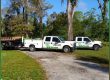
Timber Kings Tree Service is locally based, familiar with Valrico’s trees and weather patterns, and equipped for both urgent response and long-term care. Whether you’re dealing with an immediate blockage or want to prevent future emergencies, their team can help you create a clear, practical plan.
Don’t wait until a fallen tree traps you or shuts down your business. Take a proactive step today so that when the next storm rolls through, your roads and entrances stay open — and your property stays safer.
About Timber Kings Tree Service
Timber Kings Tree Service is a locally owned and operated tree care company serving Valrico, FL, and surrounding communities. With years of experience in Tree Removal, Tree Trimming, Stump Grinding, and specialized Emergency Tree Service, their team combines professional training with deep local knowledge of Florida’s trees and storm conditions. From residential properties to commercial sites and HOAs, Timber Kings focuses on safety, responsiveness, and long-term tree health.