Tree Removal Planning: Prevent Damage Before Cutting Begins
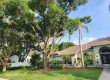
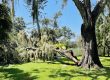
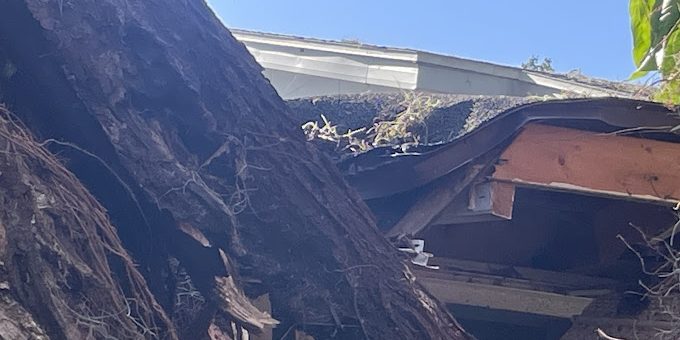
Last week in Valrico, a homeowner called after noticing a live oak leaning slightly toward a detached garage—nothing dramatic, just a “why is that tree moving?” feeling. After a heavy thunderstorm rolled through with gusty winds and saturated soil, that same lean became a real threat: a cluster of limbs started rubbing the roofline, and one limb had begun to crack along the grain. In Florida, that’s a common pattern—trees that look “mostly fine” can fail once wind loads hit wet ground and weak attachment points finally give way.
Tree removal isn’t just about getting a tree on the ground. The planning phase is what prevents property damage, protects nearby trees, and reduces risk to workers and occupants. At Timber Kings Tree Service, we treat every removal like a small construction project: assess the tree, map the hazards, plan the rigging and fall direction, and coordinate access so the job is safe and controlled.
Quick Answer
Tree removal planning should start with a hazard assessment (root stability, decay, lean, and limb load), then a site plan (power lines, structures, access routes, and the best drop zone). In Central Florida—where heavy rain, lightning, and hurricane-force wind gusts are real concerns—removals often need extra attention to root instability and compromised wood. If you see leaning, cracking, dead tops, or branches rubbing structures, call an arborist before you cut—DIY tree cutting is one of the most preventable causes of serious injuries and property loss.
Why Some Tree Problems Become Emergencies
From an arborist’s perspective, storm failures rarely happen “out of nowhere.” They usually start long before the emergency call—often with subtle issues that homeowners don’t have a reason to look for.
What we watch for during planning
When we plan a removal, we evaluate:
- Root stability: saturated soils after rainfall can reduce friction between roots and ground, allowing trees to shift.
- Interior decay and hollow trunk sections: outward appearance can stay green and leafy while structural integrity collapses internally.
- Cracks at limb unions: rubbing limbs and co-dominant stems can develop weak attachment points.
- Wind sail effect: large canopies increase the wind load the trunk and roots must resist.
Firsthand observation: We’ve repeatedly found that trees failing in storms often show elevated stress on one side—not necessarily a dramatic lean, but a pattern: slight upward lift in soil, torn bark at unions, or uneven canopy weight. By the time the tree is “clearly dangerous,” the internal mechanics may already be compromised.
Signs a Tree May Be Hazardous
If you’re deciding whether to plan a removal (or at least an inspection), look for these warning signs:
- Leaning that’s new or increasing
- Cracks in the trunk, major limbs, or unions
- Mushrooms/decay indicators at the base or on limbs
- Dead branches or a dead crown that’s spreading
- Branches rubbing roofs, gutters, fences, or other trees
- Soil heaving, exposed roots, or gaps between the root flare and ground
- Bark peeling along one side of the trunk after storms
- Sound changes (hollow thumps, frequent limb pops) after high wind
Tree Removal Planning: What We Do Before Cutting Begins
A safe removal plan is built on understanding the tree and the site. Here’s what typically happens before any cuts are made:
1) Hazard assessment and tree health evaluation
We confirm what kind of hazard we’re dealing with—dead tree removal, hazardous tree removal due to decay, or a situation where preservation is still possible. Planning includes checking the base, canopy structure, and likely failure direction.
2) Site mapping (structures, access, and drop zone)
We look at:
- distance to rooflines, garages, sheds, walls, and fences
- driveways and walkways needed for equipment access
- nearby landscaping and any trees worth protecting
- ground conditions after rain (especially in sandy or saturated spots)
3) Rigging strategy and removal method
Depending on the tree and clearance, we may use:
- sectional removal (controlled cuts)
- rigging with lowering techniques
- controlled directional felling when clearance allows
- coordination with utility guidelines when lines are involved
4) Scheduling and safety coordination
If the tree is near a busy walkway, a commercial property, or a tenant area, the timing matters. We plan to minimize disruption and keep the work zone secure.
5) Cleanup plan: leaves, debris, and stump considerations
Debris management isn’t just aesthetics—leaving unstable sections or poor stump conditions can create a future hazard. That’s where stump removal planning matters.
For many homeowners, the removal decision also leads to follow-up work like stump grinding assistance so the property stays clean, safe, and usable.
When Preservation Beats Removal (and When It Doesn’t)
Not every risky-looking tree needs to come down. Sometimes targeted pruning reduces wind loading and eliminates specific hazards without removing the entire tree.
Recommended action: pruning for risk reduction
If a tree is healthy but has overextended limbs, deadwood, or rubbing branches, we may recommend a pruning strategy such as:
- crown thinning to reduce wind resistance
- crown reduction to lower the weight and leverage on weak limbs
- removal of dead or compromised branches (often a “dead tree removal” scenario within the canopy)
A good example: we’ve managed cases where an oak’s outer limbs were the problem—one branch rubbed a garage roof after storms, but the trunk showed solid structure. Instead of removing the whole tree, we planned pruning to address the specific hazard zone and reduced the chances of repeat rubbing.
If you’re evaluating options, you may also find our approach to pruning helpful through professional tree trimming services designed around structure and safety—not just appearance.
When removal is the safer choice
Removal is usually the right call when:
- there’s major trunk decay or severe cracks
- the tree is leaning with active instability
- roots are compromised and the tree would likely fail under moderate-to-strong winds
- the tree’s failure would damage structures you can’t realistically protect
What Property Owners Often Overlook
Most damage happens because people assume the visible parts tell the whole story. In Central Florida, that assumption can be costly.
Common mistake property owners make: “Cutting it down will solve the problem”
Many homeowners schedule a quick tree cutting plan without a real hazard assessment. That leads to two predictable outcomes:
1. Unexpected failure direction (especially with wet soil and internal decay).
2. Secondary damage (limbs strike the roof, fence, or landscaping because the drop zone wasn’t planned).
Another overlooked issue is stump and root management. Leaving a stump that’s partially unstable—or delaying removal—can create lingering hazards like tripping risks, regrowth, and future splitting.
What Actually Improves Tree Stability
People often think stability is only about the trunk. In reality, stability is a system: canopy load, branch unions, trunk integrity, and root anchorage all work together.
Pruning that helps (when done correctly)
Proper pruning can improve stability by:
- reducing leverage on weak limbs
- removing dead or compromised wood
- thinning dense crowns that behave like a stronger “wind sail”
- correcting canopy imbalances that overload one side of the tree
The danger of “bad pruning”
Overcutting, topping, or removing too much live canopy at once can make the tree worse by increasing stress and weakening future structure.
Tree health assessment matters
If a tree is declining due to disease or pest pressure, hazard planning has to account for progressive weakness. That’s why an arborist evaluation is part of responsible planning—not an upsell.
Our Experience Managing Trees During Florida Storm Season
Central Florida weather is a rhythm: sunshine, heavy rainfall, lightning, and then gusty wind periods that can turn “minor” problems into urgent ones. After storms, we commonly see:
- limbs weakened by earlier rubbing or deadwood
- trees with minor lean suddenly shifting when soils are saturated
- co-dominant stems with weak unions breaking under wind load
Realistic case (anonymized): A commercial property manager contacted us after a tropical storm. The tree wasn’t down, but one major limb had begun to separate near a union above a staff entrance. The manager had planned to “wait until it fell.” Our assessment showed early failure along grain with interior weakness. We planned a controlled removal of the hazardous limb section, secured the work zone, and prevented impact damage to the entryway. The property stayed operational while the risk was managed.
For ongoing commercial needs, planning also includes maintaining clearance and managing vegetation that can affect liability. If you manage a larger footprint, you may also need lot land clearing solutions after storm-driven cleanup or redevelopment.
Storm Preparation Checklist (Tree-Focused)
Use this checklist before hurricane season ramps up—or after any storm that leaves your landscape changed.
Quick inspection checklist
- [ ] Walk the perimeter and look for new lean, cracks, or fresh limb breaks
- [ ] Check for rubbing branches on roofs, gutters, fences, and structures
- [ ] Inspect the base for exposed roots, soil heaving, or gaps
- [ ] Look for deadwood in the canopy (especially in oaks and other mature species)
- [ ] Confirm clearance around driveways and walkways
Property planning checklist
- [ ] Identify trees that would land on critical structures (entries, roofs, parked vehicles)
- [ ] Decide which trees you want to preserve and which require hazardous tree removal
- [ ] Plan access for equipment and safe work zones
- [ ] Coordinate emergency response timing after storms
Tree Trimming vs Tree Removal
Not sure which direction to plan? Here’s a practical comparison we use with homeowners and property managers.
| Situation | Best Approach | Why |
|---|---|---|
| Dead or compromised limbs only | Targeted tree trimming | Removes specific hazards without removing the whole tree |
| Rubbing limbs over time | Tree pruning (crown thinning/reduction) | Reduces future contact and wind leverage |
| Major trunk decay or serious cracks | Tree removal | Failure risk is too high for pruning alone |
| Leaning with root instability | Tree removal (often controlled) | Root anchorage can’t be “pruned back” |
| Branches near structures after storms | Planned removal or sectional reduction | Prevents impact damage and keeps access safe |
If you’re looking for support beyond one tree—like managing canopy growth over time—our team can help with tree removal planning when removal is truly necessary, and pruning strategies when preservation makes sense.
Valrico and Central Florida Relevance: Why Planning Looks Different Here
In Valrico and the Tampa Bay area, storms aren’t theoretical. We see heavy rainfall that saturates the ground, lightning that damages crowns, and wind gusts that test weak unions. Sandy soils and fast-growing vegetation can also mean trees respond quickly to seasonal stress.
That’s why we plan removals with:
- wet-ground stability in mind
- careful evaluation of oak structure and co-dominant limbs
- realistic expectations for what can be controlled vs what must be removed
And when storm impacts happen, cleanup becomes its own project. If you’re dealing with immediate storm aftermath, we can support with storm damage cleanup support—including debris management planning to restore access safely.
Ready to Act: A Simple Recommendation
If you suspect a tree is becoming hazardous but you’re not sure whether it needs to come down, start with an inspection and a written hazard plan. From there, you’ll know whether pruning can reduce risk or whether removal is the safest path.
When a removal is required, planning should include:
- controlled removal method
- access route and drop zone
- stump removal considerations for long-term safety
If you’re also dealing with emergency conditions, don’t wait—schedule an emergency tree service response so your property can be secured quickly after storm damage.
Quick FAQ
How do I know if a tree is dangerous during storms?
Look for visible structural stress (new or increasing lean, cracks in trunk/unions, deadwood expanding in the canopy) and check the base for exposed roots or soil gaps. After heavy rain, even trees that “look fine” can shift if roots are unstable. If a tree is near a roofline, driveway, or entryway, treat it as higher risk and schedule an inspection before the next storm cycle.
What time of year is best for tree pruning in Central Florida?
Florida pruning can often be done year-round, but planning matters: severe pruning during peak stress periods can worsen decline in some species. Our approach is based on tree health, risk level, and the specific pruning goal—deadwood removal, crown thinning, or clearance work—rather than a one-size-fits-all calendar.
Can storm-damaged trees be saved?
Sometimes. If the trunk is structurally sound and the damage is limited to branches or certain portions of the crown, pruning and risk-reduction may be possible. If there’s major decay, significant cracks, or root instability, removal may be the safer choice to prevent sudden failure later.
Does stump grinding prevent regrowth?
Stump grinding can reduce regrowth potential by removing much of the stump tissue, but it doesn’t guarantee zero regrowth for every species. For long-term results, we may recommend follow-up management depending on the tree type and site conditions.
When should I call emergency tree services?
Call immediately when there’s active risk to people or property—leaning trees over structures, limbs hanging above walkways, partially fallen trees, or anything near power lines. Emergency response focuses on securing the area and reducing immediate hazard before cleanup and longer-term planning.
Ready to Protect Your Property and Trees?
Proactive planning is what keeps tree removal from turning into an expensive repair job. If you’re noticing lean, cracks, rubbing limbs, or storm-related instability on your property, schedule a tree health assessment and removal plan before conditions get worse.
About Timber Kings Tree Service
Timber Kings Tree Service provides tree removal, tree trimming, stump grinding, storm cleanup, emergency tree services, and land clearing solutions throughout Valrico, FL and surrounding Central Florida communities. Our team focuses on safe tree management, storm preparation, long-term tree health, and helping homeowners and businesses protect their properties with professional arborist services and practical, risk-based planning.