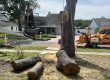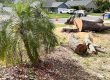
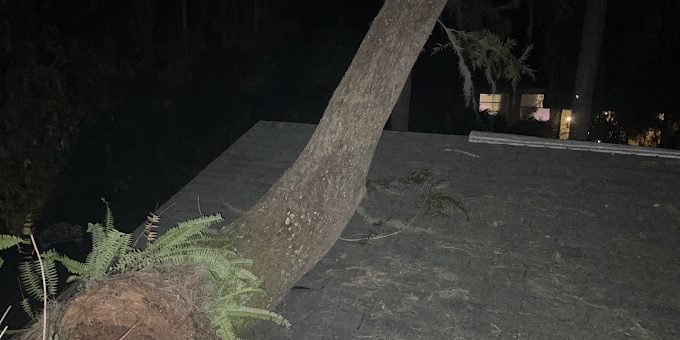
When storms roll through Valrico, TX, trees can be the first thing homeowners notice after the wind and rain. Scheduling routine storm-damage tree services maintenance helps you catch weak limbs, improve clearance, and reduce the chances of a fallen tree or hazardous branches when weather turns rough.
After a strong wind event, you might find a few branches in the yard, branches touching the roofline, or a tree that looks “mostly fine” but doesn’t feel right. The problem is that storm damage is not always obvious right away, especially when limbs are cracked internally or roots have been stressed.
If you are deciding when to schedule maintenance for storm-prone seasons, this guide will help you know what signs to look for, which trees typically need attention first, and how to plan tree trimming and tree pruning so your property is safer before the next weather event.
- Quick answer
- What to check first
- Main things customers should understand
- Why this matters in Valrico, TX
- Common mistakes to avoid
- Customer checklist
- Frequently asked questions
Quick Answer
Schedule storm-damage tree services maintenance before the season you expect the most wind and heavy weather. For many Valrico, TX properties, that means planning proactive tree trimming and tree pruning in quieter months, then doing a post-storm check right after any significant weather event. If you notice leaning, cracks, dead limbs, or branches that rub the roof or power lines, do not wait. Contact an arborist for a tree health assessment and a plan for targeted tree cutting or dead tree removal.
What to Check First
Start with the visible concerns that often indicate hidden risk. Walk your property and look up at canopy growth, branch attachments, and any limb that looks stressed. Pay attention to areas near structures where a fallen tree or fallen branch would create damage, such as roofs, fences, sheds, driveways, and walkways.
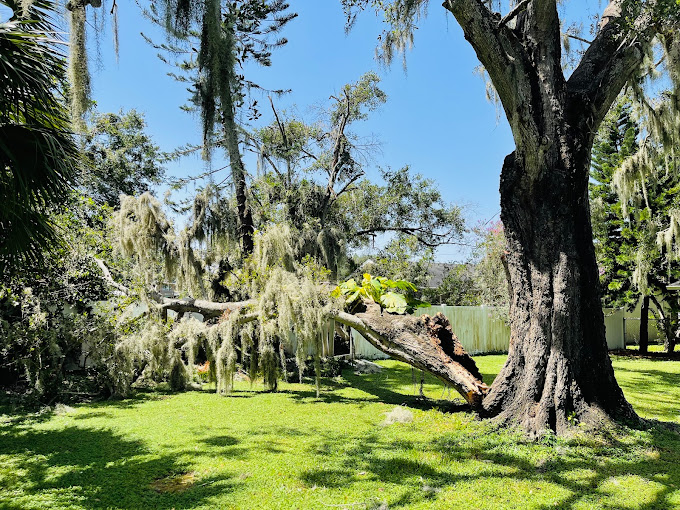
Branch and limb condition
Look for dead branches, bark cracks, and limbs that hang lower than they used to. If you see broken tips or a “split” along a branch, that is a good reason to schedule an inspection.
Tree movement and base issues
Check for leaning trunks, exposed roots, soil heaving, or mushrooms growing at the base. These can be signs the tree’s stability or health has changed.
Clearance and contact points
Identify branches that rub windows, touch the roofline, or interfere with power corridors. Even minor contact can worsen after storms because wind loads increase.
Professional observation: If a tree has already dropped branches after a storm, it may still have weak attachments that are not visible from the ground. A tree health assessment can help prioritize what to address first.
Main Things Customers Should Understand
Scheduling maintenance is not just about cutting back growth. It is about reducing risk by improving structure, managing deadwood, and addressing storm damage contributors like weak branch unions and overcrowded canopies. An arborist services approach focuses on the specific tree, not a one-size-fits-all schedule.
1) Timing: maintenance before and after weather
Proactive tree pruning and tree trimming are most effective when you have time to plan around the property. After storms, schedule a follow-up inspection so you can address fallen tree removal needs, broken branches, and hazardous tree removal areas while the damage is still fresh and easier to evaluate.
2) What “storm damage maintenance” usually includes
For many properties, maintenance work falls into a few categories: removing dead or hazardous limbs, shaping the canopy to reduce wind resistance, and cutting back branches that create contact with structures. If roots or trunks are compromised, the plan may involve tree removal or stump removal after the affected portion is handled safely.
3) Decisions that affect how much risk you reduce
When storms hit, the trees that fail most often have structural weaknesses. During maintenance planning, an arborist will typically look at branch attachments, crown density, and the overall balance of the tree. That is why tree shaping, crown thinning, and crown reduction are sometimes recommended as part of a longer-term tree care services strategy.
| What you notice | Maintenance focus | Common next step |
|---|---|---|
| Dead limbs or branches with bark damage | Dead tree removal and hazardous branch reduction | Targeted tree cutting and/or tree pruning |
| Overcrowded canopy and branches rubbing the roofline | Tree trimming for clearance and airflow | Crown thinning or selective shaping |
| Visible lean or root disturbance after wind | Stability and hazard evaluation | Tree health assessment and a removal plan if needed |
| Stump left behind after storm-fall cleanup | Stump grinding and stump removal | Stump grinding to clear the landscape |
Why this matters in Valrico, TX
In Valrico, TX and the surrounding areas, trees are often part of established residential landscapes, and many properties have mature shade trees near driveways, fences, and older rooflines. When heavy weather arrives, those mature trees can experience greater wind stress, and storm damage can show up as broken limbs, snapped branches, or changes in how the canopy holds together.
One firsthand-style observation homeowners often make is that damage can look “contained” at first. A tree may not fall completely, but you could still see small failures along branch joints. Those joints can weaken further with the next windy day, so maintenance planning helps you address the problem before it becomes a bigger cleanup.
Related services to consider
- Storm damage tree services for after-weather cleanup and hazard evaluation.
- Tree trimming to improve clearance and reduce stress points.
- Tree removal when a tree’s condition threatens structures or walkways.
- Stump grinding for stump removal after storm-fall or removal work.
Plan your next maintenance visit
If you are seeing deadwood, leaning limbs, or branches that now touch the roof or fences, schedule a tree health assessment so you can prioritize the safest, most practical maintenance first.
Contact Timber Kings Tree ServiceCommon Mistakes to Avoid
When homeowners wait too long or handle the wrong tree parts, the risk can increase. Storm-damage maintenance is about addressing the hazards that are likely to fail under wind, not just removing a few visible branches.
Common mistakes:
- Waiting for a full failure. A tree that already dropped branches may still have weak attachments.
- Only trimming what’s in the way. Selective tree pruning may be safer than broad cuts that change the tree’s structure.
- Ignoring the base and root area. Soil disturbance, exposed roots, or leaning can signal stability issues that need a focused evaluation.
- Forgetting the “after” cleanup plan. If storm removal leaves stumps or brush, it can affect future mowing, landscaping, and access. Proper stump removal and brush clearing help keep the property safe and manageable.
Customer Checklist
Use this quick checklist to decide whether you should schedule maintenance now, plan it for the next quieter period, or arrange an inspection after a storm. If several items apply, it is a strong sign you need an arborist services evaluation in Valrico, TX.

- At least one branch dropped after a recent wind or storm event.
- You see dead limbs, cracked bark, or broken branch tips.
- The tree trunk looks like it has developed a lean or shifted position.
- Branches touch the roofline, gutters, or other structures.
- Roots appear exposed, soil looks disturbed, or you notice gaps near the base.
- There is a buildup of branches and brush in areas you need to access regularly.
Representative scenario: what a homeowner in Valrico might experience
After a windy afternoon, a homeowner notices a few branches on the driveway and a new crack on a main limb. The tree still stands, so it seems “fine,” but the canopy looks uneven. Instead of only clearing the fallen pieces, the homeowner schedules maintenance to inspect the attachment points. The plan focuses on removing compromised deadwood, improving clearance, and addressing storm-prone branch structure so the tree is less likely to fail during the next weather event. After the hazard work, stump removal and cleanup are handled to keep the property safe and easier to maintain.
Frequently Asked Questions
How soon after a storm should I schedule tree maintenance?
If you see fallen branches, new cracks, leaning limbs, or branches now touching structures, schedule an inspection promptly. A post-storm check helps identify damage that is not obvious at a glance, such as weakened branch attachments. If the storm caused significant debris or you are unsure whether the tree is hazardous, prioritize an evaluation so the next weather event does not turn a partial failure into a larger one.
What does storm damage tree services maintenance usually include?
Maintenance typically centers on reducing hazard risk and improving clearance. That can include dead tree removal, tree pruning of compromised limbs, and selective tree trimming to manage canopy density. If a tree or section is unstable, the plan may include tree removal. If storm debris leaves stumps behind, stump grinding and stump removal are often part of making the property safe and usable again.
Is tree pruning different from tree trimming?
Yes, they are related but not identical. Tree trimming often focuses on clearance and shaping so branches do not interfere with roofs, walkways, or structures. Tree pruning is more focused on health and structure, including removing deadwood and improving how the canopy supports wind loads. In practice, a certified arborist may recommend both, depending on whether the main issue is clearance, deadwood, or crown structure.
When should I consider stump grinding or stump removal?
Consider stump grinding or stump removal when you want the yard to be safer, easier to maintain, and less prone to tripping hazards. Stumps can also make mowing and landscaping difficult, and they may attract brush growth over time. If your storm cleanup involved tree removal, addressing the stump promptly can improve the overall look and usability of the area.
What if my property also needs land clearing?
If storm damage or long-term growth has created heavy brush, blocked access, or overgrown areas, land clearing may be part of the same plan. For example, brush clearing and lot land clearing can help restore safe pathways and reduce clutter around structures. If you are planning a broader cleanup, it is helpful to coordinate it with tree care services so the right sequence is followed for safety.
Get a plan for safer tree care in Valrico, TX
Timber Kings Tree Service can help you decide what needs attention now versus what can be scheduled later, based on the specific storm damage risks on your property. If you want a practical maintenance plan for tree removal, tree trimming, stump grinding, or storm damage cleanup, call or message us.
(813) 701-0498
Timber Kings Tree Service
Timber Kings Tree Service provides tree care services for homeowners and property owners in Valrico, TX and surrounding areas, including tree removal, tree trimming, stump grinding, storm damage tree services, and lot land clearing. If your trees have storm-related hazards or you want proactive maintenance to reduce risk, our team focuses on practical, property-specific recommendations based on what we see during the assessment.
Emergency tree service is available when you need help addressing urgent hazards after weather events.