Storm Damage Tree Services Safety Tips for Homeowners
After a storm, trees can look “mostly fine” while still posing hidden risks. This guide walks you through what to check around your Valrico, TX property, what to avoid, and how to decide when you need professional tree care services.
After heavy wind or rain, you might find a branch on the driveway, limbs hanging over the roof, or a tree leaning where it used to stand straight. The temptation is to grab a chainsaw or start moving debris quickly so your yard looks normal again.
The problem is that storm damage can create unstable trees, compromised roots, and broken limbs that shift without warning. In Valrico, TX, where summer storms and strong gusts can be intense, taking a careful approach helps protect your home, your family, and the people who may need to work on the site afterward.
- Quick answer
- What to check first
- Main considerations
- Local insight
- Common mistakes
- Customer checklist
- Frequently asked questions

Quick Answer
If you notice a fallen tree, hanging limbs, cracking sounds, or a tree that suddenly looks tilted after a storm, treat it as a safety issue first. Keep people and pets away, avoid working under or near the damaged area, and do not move debris if any part could be resting on power lines or structures. For storm damage tree services, start by scheduling an on-site assessment so the team can plan safe tree cutting and removals based on what’s actually under tension. A practical next step: document what you see (time and location), then contact Timber Kings Tree Service to discuss the situation.
What to Check First
Before you touch anything, scan the area from a safe distance. Look for power lines, leaning trunks, limbs that are still connected, and anything resting on fences, roofs, sheds, or vehicles. If you see lines or suspect electrical contact, do not approach. Instead, focus on keeping everyone back and let the right professionals handle the next steps.
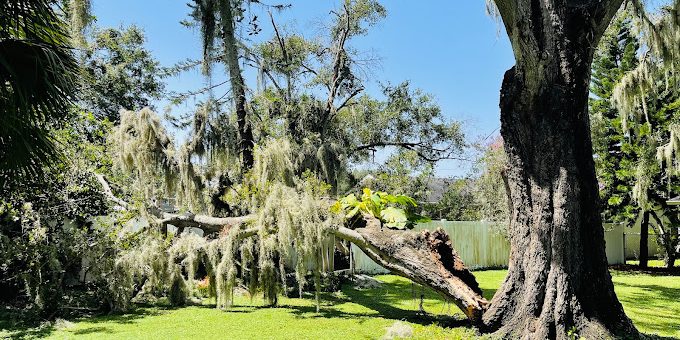
Professional observation: A tree can be “down” but still not be safe. Broken branches may be under pressure, and roots that were flexed by wind can shift again after the debris is disturbed.
Check the risk zone
Confirm where limbs or the trunk could fall if they move. Stay well outside that area, especially if the tree is leaning or limbs are suspended.
Check for structural contact
Note contact points with roofs, gutters, chimneys, fences, and driveways. What looks like “minor” contact can hide instability.
Check for ongoing hazards
Watch for fresh cracking, shifting, or sagging. If conditions worsen, pause and reassess your safety distance.
Main Things Customers Should Understand
Storm damage usually changes the tree’s structure. Splits in the trunk, torn roots, and branches held by “hinges” can mean the tree needs a planned approach rather than random tree cutting. A professional tree health assessment after a storm focuses on stability, not just appearance.
Safety note: Hanging limbs and partially broken trunks can release suddenly. Even if the limb seems still, the load may change as wind shifts or as debris is moved.
When you contact a tree service, you will often need to coordinate next steps across multiple tasks. Depending on what the storm did, that can include removing hazardous sections, trimming remaining limbs, and clearing brush around access points. If a stump is left behind, stump removal and stump grinding may be part of restoring a usable yard and reducing tripping hazards.
| What you notice after the storm | Why it matters | Typical service direction |
|---|---|---|
| Fallen tree or large limb blocking a path | Debris may be heavier than it looks and can be under tension at the break. | Tree removal planning, debris clearing, and safe hauling |
| Hanging branch over a roof or walkway | Suspended pieces can shift, especially in wind. | Tree trimming and hazardous tree removal |
| Tree leaning or roots lifting | Root damage can cause further movement. | Hazard assessment, then controlled removal if needed |
| Stump left in a high-traffic area | Stumps can create trip hazards and regrowth issues. | Stump grinding and stump removal |
| Damaged area needs full yard cleanup | Storm debris can turn into long-term clutter and brush growth. | Brush clearing and lot land clearing planning |
If you also have concerns about tree health or recovery, ask about tree disease treatment, tree pest control, and whether the storm exposed dead or weakened wood. Dead tree removal and targeted pruning can be part of restoring safer structure for the next season.
Why This Matters in Valrico, TX
In Valrico, TX and the surrounding areas, homeowners often deal with mixed landscapes, including residential yards with mature shade trees near homes, fences, and driveways. After wind events, the combination of canopy weight and branch breakage can put limbs in contact with structures that are close to the tree line. That is why a careful, step-by-step safety review matters before any tree cutting or debris removal begins.
Another local factor is that storm debris can quickly limit access. If a gate, driveway, or backyard path is blocked, it affects how crews can work around the site safely. Planning for access and staging helps reduce the chance of additional damage to landscaping and hardscapes during storm cleanup.
Need help assessing storm damage safely?
Timber Kings Tree Service can review your property in Valrico, TX and guide you toward the right next steps for safe storm damage tree services.
Review storm damage optionsCommon Mistakes to Avoid
Many homeowners start with good intentions, but a few common actions increase risk. For example, cutting a branch that is still connected can release tension and cause the limb to swing or drop unexpectedly. Moving debris without checking what the piece is attached to can also make a leaning tree shift further.
Another mistake is assuming the “worst” is already over because the tree stopped moving. After a storm, the load can change with temperature shifts, wind, or after additional limbs break. If you try to DIY without a plan, you may end up creating more work or, worse, exposing yourself or others to a hazardous situation.
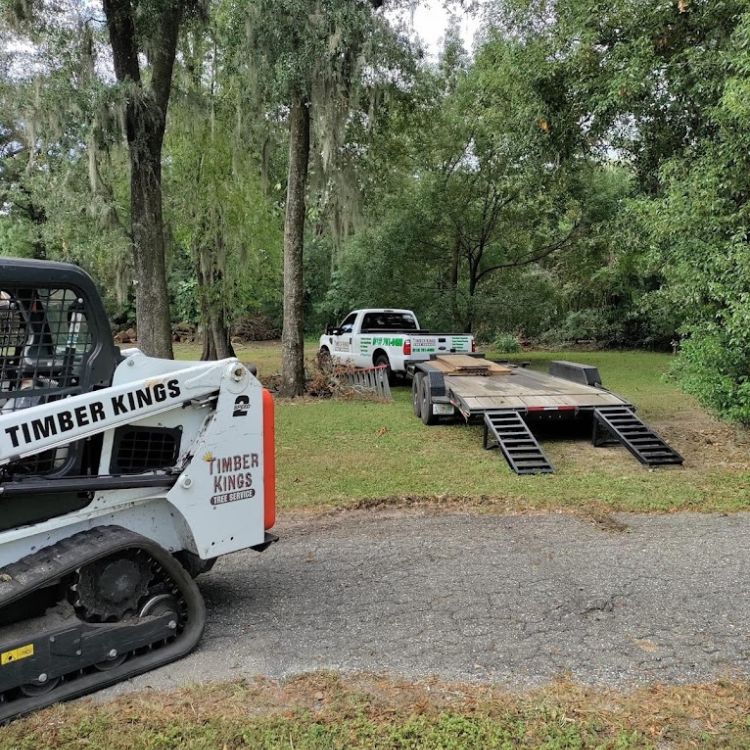
- Do not cut under hanging limbs or work directly beneath the damaged tree.
- Do not pull on debris to “see what happens.” Tension can release suddenly.
- Do not ignore a leaning trunk or lifted roots. That can indicate ongoing instability.
- Do not treat storm damage as routine tree trimming. The structure may be compromised.
- Do not forget about cleanup planning. Blocked access can make safe removal harder.
Customer Checklist
Use this checklist to organize your next steps after a storm. It’s designed to help you stay safe, document the situation, and make it easier for a tree care team to plan tree removal, tree trimming, and stump grinding where needed.
Practical tip: If you can do it safely, write down the general location (front yard, backyard, near driveway) and when you first noticed the hazard. That helps crews understand what may have changed since the storm.
- Keep pets and family members away from the damaged tree and the surrounding risk zone.
- Check for power lines or anything that looks like electrical contact. If in doubt, stay back.
- Look for visible cracks, trunk splits, lifted roots, or limbs hanging under tension.
- Document what you see from a safe distance (no climbing, no standing under limbs).
- Identify blocked access routes (driveway, gate, sidewalk) so cleanup planning can be accurate.
- Decide whether you need tree removal, tree trimming, stump grinding, or lot land clearing based on the damage type.
- Contact Timber Kings Tree Service to discuss storm damage assessment and the safest order of work.
Representative Storm Scenario
Imagine a large limb falls during a thunderstorm in Valrico, TX and lands partially on a fence line while another branch remains attached above the walkway. The tree is not fully down, but the break point is under load, so moving the limb by hand changes the tension. In a situation like this, a safer approach is to assess what is holding the weight, then perform controlled tree cutting and trimming as needed. After the hazard is removed, stump grinding or stump removal may be considered if a section is left behind in a high-traffic spot.
Frequently Asked Questions
Should I try to “clean up” storm branches the same day?
If the debris is fully resting and there are no signs of tension, it still helps to be cautious. However, many storm-damaged limbs remain connected at the break point and can shift when disturbed. If you notice hanging pieces, a leaning trunk, cracking, or anything near power lines or structures, it is safer to pause and focus on keeping people away. For storm cleanup, scheduling a site assessment helps determine whether tree removal, tree trimming, or other tree care services are needed and in what order.
What’s the difference between storm damage cleanup and regular tree trimming?
Regular tree trimming is usually planned to shape growth and improve structure. Storm damage cleanup is different because the tree’s stability may be compromised. Broken limbs and torn bark can leave sections under tension, and root damage can cause additional movement after the storm. A team performing storm damage tree services will typically assess hazards first, then plan controlled tree cutting and removals. That approach helps reduce the chance of further breakage during cleanup.
When do you recommend stump grinding after a storm?
If a storm leaves a stump in a place that creates a tripping hazard or blocks usable yard space, stump grinding can be a practical next step. Stump removal also helps prevent long-term clutter and reduces the likelihood of regrowth where the stump is in the middle of traffic areas. The right choice depends on what remains after the tree removal, the size of the stump, and how you want the yard to look and function afterward.
Can storm damage trees recover, or should they be removed?
Some trees can recover, while others become hazardous if the storm caused significant structural damage. A tree health assessment looks at stability and the condition of broken wood, bark, and supporting structure. If the tree is unstable, dead tree removal may be the safer route. If the tree is salvageable, targeted pruning or crown reduction and crown thinning may help improve safer form. Your best next step is an on-site evaluation to match the plan to the tree’s actual condition.
What if the damage is on a property border or near a fence?
Damage near fences or property lines requires careful planning because debris can shift and cause additional harm to surrounding structures. It also affects how crews stage equipment and access the area safely. In these cases, storm cleanup may involve hazardous tree removal and brush clearing, followed by lot land clearing if larger cleanup is needed. If you are unsure whether the tree is stable or how the debris is resting, contact Timber Kings Tree Service so the team can evaluate the hazard and plan a safe work sequence.
Get a clear, safe plan for your yard in Valrico, TX
If your trees were affected by recent storms, the safest approach is to assess hazards first and then plan tree removal, tree trimming, stump grinding, or land clearing based on what’s actually on your property.
Contact Timber Kings Tree Service
Timber Kings Tree Service
Timber Kings Tree Service provides tree care services for homeowners and property owners across Valrico, TX and surrounding areas. Our work focuses on practical, safety-first storm damage tree services, including tree removal, tree trimming, stump grinding, brush clearing, and lot land clearing.
Explore more services: tree removal, tree trimming, stump grinding, lot land clearing.