How Often Should You Schedule Tree Service Maintenance?
A seasonal tree plan for homeowners and property managers in Valrico, TX, so your trees stay healthier, your landscaping looks intentional, and you reduce the odds of surprises during storms.
Your oak or pine looks fine most of the year, then a windy afternoon hits and suddenly you are checking the yard from the window. A few branches look different after the storm, leaves pile up where they did not before, and you start wondering whether you should have scheduled trimming earlier.
If you own property in Valrico, TX, you are balancing fast growth, changing weather, and trees that mature into larger, heavier canopies. This guide helps you figure out how often to schedule tree care services like tree trimming, tree pruning, stump removal, and storm damage clean-up, plus what to watch for between visits.
- Quick answer
- What to check first
- Main things customers should understand
- Why this matters in Valrico, TX
- Common mistakes to avoid
- Customer checklist
- Frequently asked questions

Quick Answer
For most homes in Valrico, TX, scheduling tree service maintenance once or twice a year is a practical starting point, with timing based on what the tree needs. Plan routine tree trimming or tree pruning in calmer seasons to shape the crown and remove dead or hazardous wood. Add an extra check after major storms, especially if branches, power lines, or fences were affected. If you notice dead limbs, leaning, unusual fungus or pest activity, or roots lifting sidewalks, arrange a tree health assessment sooner rather than waiting for the next season.
What to Check First
Before you set dates, do a quick yard scan. You are looking for “maintenance signals” that tell you whether the next visit should be routine trimming, tree cutting, stump removal, or a focused safety review. If any of these issues show up, the right frequency becomes more urgent.
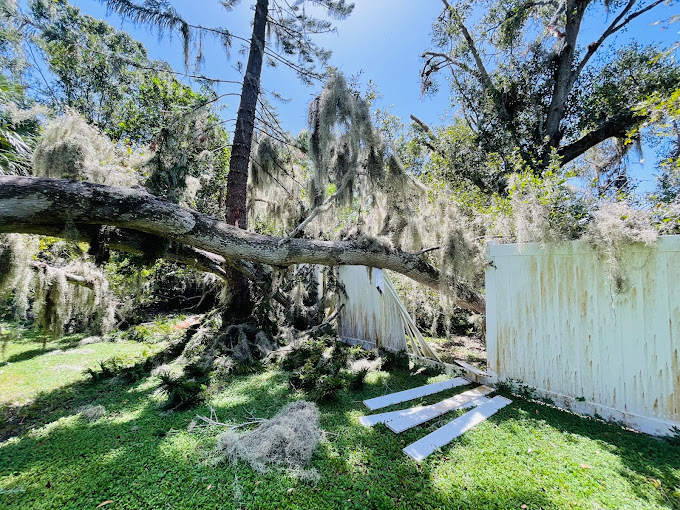
Professional observation: If a branch looks dead, cracks are visible, or you see new trunk damage, schedule a review before you schedule “next season.” Waiting can turn a manageable pruning job into hazardous tree removal work.
Walk the property and note:
- Dead or hanging limbs (especially ones that do not leaf out normally).
- Crowded growth where branches rub or cross, which can lead to weak points.
- Clearance problems near roofs, gutters, driveways, walkways, or fences.
- Stumps that are still active with new sprouts that need stump grinding or stump removal.
- Signs of pests or disease such as unusual leaf loss, fungal growth, or persistent spotting.
Main Things Customers Should Understand
How often you should schedule maintenance depends on tree type, growth rate, and site conditions. In practice, many customers get the best results from a simple rhythm: planned seasonal care plus targeted follow-ups when the landscape changes.
| Tree care need | Typical timing | What it helps prevent |
|---|---|---|
| Tree trimming and tree pruning for shape | 1 to 2 times per year | Overgrowth into structures, uneven canopy weight, and cluttered appearance |
| Tree pruning for clearance | As needed, often before peak growth | Branches blocking sight lines, scraping siding, and restricted airflow |
| Tree health assessment | When you see warning signs or after a major event | Letting disease or pest issues progress unnoticed |
| Stump grinding and stump removal | After removal, or when sprouts appear | New growth from the root system and tripping hazards |
| Storm damage clean-up | After storms that cause broken limbs or leaning | Secondary breakage and additional hazards during the next wind event |
| Lot land clearing and brush clearing | Before landscaping plans or new construction | Delays from overgrowth and unmanaged brush |
One firsthand-style reality check from the jobsite: maintenance is not just about “cutting more.” In many yards, the most noticeable difference comes from removing dead wood, thinning where growth is too dense, and strategically shaping the crown so the tree distributes weight more safely. When people skip that step, the tree often keeps growing into the same stress points, which can increase the chance of a branch break during high winds.
Why This Matters in Valrico, TX
In Valrico, TX, trees have to handle long growing seasons and sudden weather swings. Even when your yard stays healthy day to day, a single wind event can create new weak branches, expose damaged limbs, or leave debris that blocks airflow and visibility. A maintenance schedule that includes routine trimming plus a post-storm inspection tends to be more reliable than waiting until something looks “really bad.”
If your property has mature trees near homes, fences, or driveways, consistent tree care services can also help with everyday usability. Clearances matter for safe access, and a planned approach to tree pruning and tree cutting keeps the yard looking intentional instead of reacting after problems grow.
Keep it tidy
Use routine tree trimming to manage shape and clearance so branches do not creep into structures.
Address hazards
If you see dead limbs or damage, schedule a targeted review before the next storm season.
Finish the job
After removal, stump grinding reduces regrowth and helps the landscape look clean.
Want a maintenance plan that fits your yard?
Tell us what you are seeing around your trees in Valrico, TX. We can help you decide whether the next step is tree pruning, tree cutting, stump grinding, or a storm-damage check.
Contact Timber Kings Tree ServiceCommon Mistakes to Avoid
Most homeowners are trying to do the right thing, but a few common patterns create avoidable problems. These mistakes often show up when maintenance is delayed, or when the wrong service is scheduled for the situation.
- Scheduling only after visible damage. Waiting until limbs break can increase the scope of work needed for hazardous tree removal or fallen tree removal.
- Over-pruning or topping. Cutting too aggressively can stress the tree and create new weak growth. Crown reduction and crown thinning should be approached with the tree’s structure in mind.
- Ignoring dead tree removal signals. A dead limb can fail without warning, especially when branches are already weighted or crossed.
- Forgetting the stump problem. If you have sprouts after a tree removal, stump removal is not “optional.” Stump grinding helps reduce regrowth from the root system.
- Assuming brush clearing is a one-time cleanup. Brush and overgrowth can return quickly. If your goal is consistent, practical yard use, plan for ongoing maintenance.
Customer Checklist
Use this checklist to decide when it is time to schedule your next tree service maintenance visit. If you check more than one box, it usually means your next visit should be planned now, not later.

- You have branches that hang lower than you want over driveways, walkways, or near the roofline.
- New dead limbs appear, or existing limbs look brittle after wind.
- You see signs of tree disease treatment needs, such as unusual leaf drop or fungus growth.
- Tree pest control concerns show up, like persistent damage patterns or canopy thinning.
- A stump has sprouts or the area is becoming difficult to mow or maintain.
- After storms, you notice leaning, cracks, or debris that could become hazardous during the next wind event.
A Representative Scenario
Consider a property in Valrico, TX where the homeowner schedules routine yard care in the spring but does not do any follow-up after summer storms. After a windy afternoon, they notice a few branches that look different and a new pile of debris near a fence line. Instead of waiting for fall, they arrange a targeted storm-damage check. The team identifies which limbs need removal for safety, and which areas only require selective pruning. Later, if a tree removal was needed, stump grinding helps clean up the remaining area so the landscape stays usable.
Frequently Asked Questions
How often should I schedule tree trimming for a typical residential yard?
For many residential properties in Valrico, TX, scheduling tree trimming or tree pruning once or twice a year is a practical starting point. The goal is to manage shape, reduce overcrowded growth, and maintain clearance over time. If you notice dead limbs, pest activity, or branches pressing into structures, you may need more frequent visits. A good rule is to keep routine maintenance on the calendar and add a prompt follow-up after storms or when you see new warning signs.
Should I schedule storm damage clean-up only after the biggest storms?
If you see broken limbs, leaning branches, or debris that could shift in the next wind, scheduling storm damage clean-up soon is the safer choice. Even storms that do not feel “major” can create weak points that worsen over time. A quick post-storm inspection helps determine whether you need fallen tree removal now or if a smaller tree cutting or pruning adjustment will address the hazard. This approach is especially helpful when trees are near homes, fences, or driveways.
How do I know whether I need stump grinding or stump removal?
If you have a stump that is still producing sprouts or is creating a maintenance problem in the yard, stump grinding is often the next step after tree removal. Stump removal focuses on getting the stump out of the landscape, while stump grinding targets the remaining stump and root material so regrowth is less likely. If you are not sure what is happening under the surface, arranging stump grinding near me support can help you choose the cleanest option for your property layout.
Can routine tree pruning help tree health, or is it only for appearance?
Routine tree pruning can support tree health, not just appearance. Selective pruning removes dead or compromised wood, improves airflow within the canopy, and helps reduce pressure on weak branch unions. When trimming is done thoughtfully, it can also make it easier to spot issues early, such as signs of tree disease treatment needs or pest activity. If you are seeing unusual canopy thinning or persistent damage patterns, a tree health assessment is the best next step so the maintenance matches what the tree actually needs.
Do I need maintenance if I only want basic land clearing?
Land clearing and brush clearing are often project-based, but maintenance still matters afterward. If you clear a lot or update your yard layout, growth tends to return, and the landscape can quickly accumulate brush again. A practical approach is to plan clearing in line with your landscaping or construction goals, then schedule routine follow-up to keep the area manageable. If you are planning lot land clearing in Valrico, TX, it helps to coordinate the clearing timeline with the kind of ongoing care you will want afterward.
Ready to schedule your next tree maintenance visit?
If you are in Valrico, TX and want a clear, practical plan for tree care services, Timber Kings Tree Service can help you decide what to do next based on what you see in your yard.
(813) 701-0498
Timber Kings Tree Service
Timber Kings Tree Service provides tree care services for homeowners and properties in Valrico, TX and surrounding areas. Our focus is practical, customer-focused maintenance that supports safer trees and a cleaner landscape, including tree trimming, tree pruning, tree cutting, stump grinding, storm damage clean-up, and lot land clearing.
If your trees need attention, start with the service that matches your situation: tree removal, emergency tree service, or lot land clearing.
