Tree Removal Safety Tips To Prevent Property Damage
If a tree near your home is leaning, dead, or has branches hanging over a roof or driveway, it can feel like a waiting game. This guide walks you through the safety steps that reduce the risk of broken fences, damaged landscaping, and costly surprises during tree removal and related tree cutting work around Valrico, TX.
Last year, a homeowner in Valrico noticed a large limb dropping small twigs after windy afternoons. This season, the tree started leaning a bit more, and the branches now sit closer to the roofline and a walkway. Even if the tree looks “mostly okay,” the day you hear cracking during a storm is the day damage can happen fast.
This guide helps you understand what to check before tree removal, what to communicate to your tree service, and how to plan for safer outcomes. You’ll also get a practical checklist you can use with a crew, plus common mistakes to avoid so your property stays protected.
- Quick answer
- What to check first
- Main considerations
- Local factors
- Common mistakes
- Customer checklist
- Frequently asked questions
Quick Answer
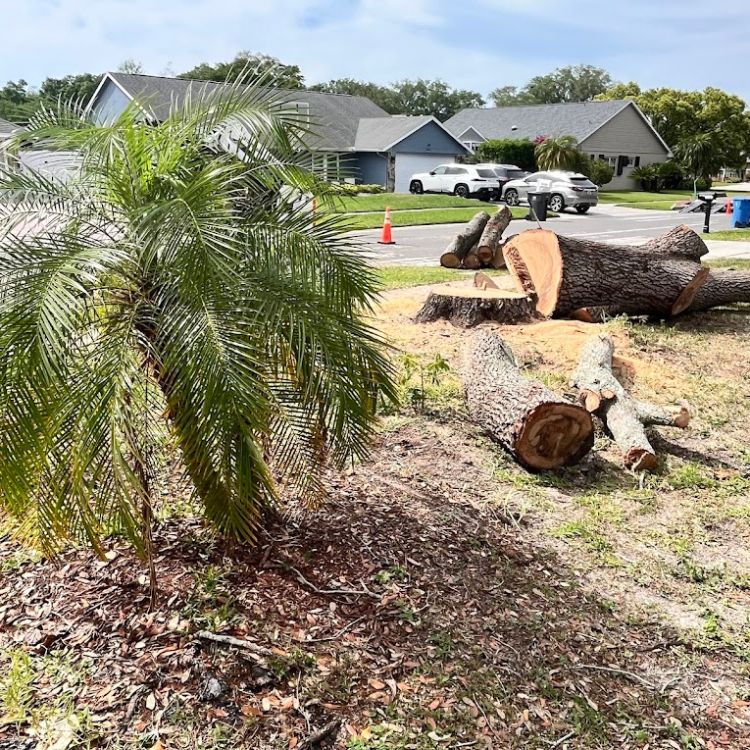
For safer tree removal, start by identifying hazards around the tree: nearby structures, fences, slopes, and (most critically) power lines. Then confirm the crew’s plan for direction of fall, access routes for equipment, and how they’ll protect landscaping and hardscapes during tree cutting. If the tree is dead, leaning, or showing signs of decay, don’t rely on “it seems stable.” A professional tree service can assess the risk and choose the safest removal approach for your Valrico property. If you’re unsure, contact Timber Kings Tree Service for tree removal guidance.
What to Check First
Before any saw touches wood, you can reduce the chance of property damage by clarifying what’s around the tree and what condition the tree is in. Walk the site and take note of where the tree could land if a limb shifts unexpectedly. Look for cracks in the trunk, mushrooms at the base, hollow-sounding wood, or large dead branches overhead.

Professional observation: Dead and decayed trees often fail differently than living trees. Even if the trunk looks intact, internal rot can change how a tree breaks during removal.
Next, map the impact zone. Include the roofline, windows, gutters, fences, sheds, garden beds, and driveways. If there’s a backyard gate, check whether equipment can reach the work area without tearing up turf or pushing debris into landscaping. When the tree sits near a walkway, ask how the crew will manage falling limbs so you do not have to stand nearby.
Access and protection planning
Safer removal depends on access. If a crew can’t reach the tree safely, they may rely on riskier cutting patterns or force equipment through areas you’d rather not damage. Ask whether they’ll use a clear route for hauling and chipping, and whether they’ll protect sensitive items like sprinkler heads, retaining edges, or decorative stone.
Finally, think about what you want done with the removed material. If you’re planning future work, confirm whether you need stump removal or stump grinding so the ground is usable afterward.
Main Things Customers Should Understand
Tree removal safety is not just about the cut. It’s about the entire sequence: assessment, planning, equipment positioning, and cleanup. In residential areas around Valrico, TX, crews often work near driveways, patios, and overhead lines, so planning for “what could move” matters as much as “what could fall.”
Tree health and failure risk
Leaning, dead limbs, and trunk defects can indicate hazardous failure patterns. A proper tree health assessment helps determine whether the approach should be full removal, section removal, or a different plan such as pruning.
Direction of fall and rigging
When space is tight, crews typically use controlled sectioning so limbs do not swing into structures. The goal is to reduce unpredictable movement that can lead to property damage.
Ground protection and cleanup
Even when the tree falls “correctly,” equipment can scrape surfaces. Ask how they’ll protect lawn areas and manage debris so branches do not damage fencing or landscape edging during removal.
If you still have healthy branches near the home, it may be better to address the risk with tree trimming or tree pruning rather than full removal. Trimming can reduce weight on overhanging limbs, improve clearance, and support long-term tree care when a full removal is not necessary.
Safety-minded planning: If a tree is near a roof, fence, or driveway, the safest option is often staged removal that controls where each section lands.
| Situation you notice | Most common next step | What to ask for to prevent property damage |
|---|---|---|
| Overhanging branches near the house or walkways | Tree trimming | How they’ll maintain clearance while minimizing impacts to nearby landscaping |
| Stump left behind that interferes with mowing or landscaping | Stump grinding | How they’ll protect nearby pavers, borders, and roots during grinding |
| Tree is down or damaged after wind | Storm damage cleanup | How they’ll secure the area and manage debris safely around structures |
| Land prep for a new build, driveway, or clearing project | Lot land clearing | How they’ll handle brush clearing and debris so you avoid property and grade issues |
Why This Matters in Valrico, TX
In and around Valrico, TX, yards can include mature shade trees, older landscaping, and established walkways that limit where equipment can safely travel. After windy weather, limbs can loosen quickly, and what looks like minor damage can turn into a safety concern if the tree shifts further over the following days.
One local detail homeowners often miss is how trees interact with nearby property edges. Fences, retaining areas, and drainage paths can be affected by a falling limb or by equipment maneuvering. That’s why it helps to plan removal around the layout of your specific lot, not just around the tree itself.
In some cases, the safest “damage prevention” step is choosing the right type of tree work for the condition you have. For example, if the goal is to reduce risk and improve clearance without removing the entire tree, tree pruning and crown thinning or crown reduction may be safer than full removal.
Get a site-specific removal plan
Tell us what the tree is doing and what it’s near in your Valrico yard. We can help you understand safer options and what to expect for property protection.
Contact Timber Kings Tree ServiceCommon Mistakes to Avoid
Property damage often comes from preventable choices made before or during the work. The biggest mistake is assuming a tree will behave the way it did last time you noticed branches shifting. As trees age and decay, the failure pattern changes, and that’s when damage risk increases.
Common mistake: Cutting near the trunk without a controlled plan for how sections will move can cause limbs to swing into roofs, fences, or landscaping.
Here are other frequent missteps that homeowners run into:
- Ignoring overhead hazards: If branches are near lines or other utilities, the removal plan needs to account for that risk before any cutting.
- Not clearing access routes: Equipment that has to squeeze through narrow areas can scrape structures or damage borders.
- Waiting too long: Dead tree removal risk increases as storms loosen limbs and decay progresses.
- Forgetting the stump: Leaving roots behind can create tripping hazards and interfere with lawn care, and it can complicate future land work.
- Skipping cleanup planning: Branch piles can weigh down fences or bury roots you plan to keep.
Customer Checklist
If you’re preparing for tree removal in Valrico, use this checklist to reduce confusion and protect your property during the process. Bring it to your conversation with the crew so everyone is aligned before work begins.

- Identify what the tree is near: house, roof edges, windows, sheds, fences, driveways, walkways, and landscaping.
- Note the tree’s condition: leaning, dead branches, cracks, fungus/mushrooms, or unusual sounds.
- Confirm the removal approach: sectioning versus full removal, and how sections will be directed to avoid swings.
- Ask how the crew will protect your property during equipment movement and cutting.
- Discuss access and cleanup: where debris will be staged and how the work area will be cleared after cutting.
- Decide what you want after removal: stump grinding or stump removal for safe yard use.
- Make a plan for children and pets to stay away from the work zone.
A representative Valrico scenario
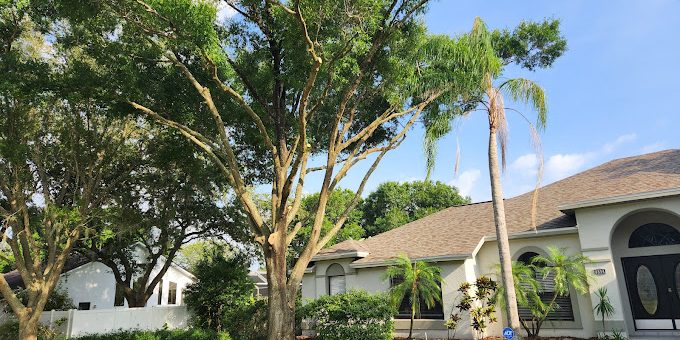
Imagine a mature tree behind a Valrico driveway, with branches reaching toward the garage roof and a decorative fence line. After windy weather, a section of deadwood loosens and hangs lower than it did before. Instead of treating it like a simple “cut and haul,” the safer path is to control removal in sections so each piece lands where intended and does not swing into the garage or fence. After the tree is gone, the owner can then plan stump grinding so the ground is level for mowing and future landscaping.
Frequently Asked Questions
How do I tell if a tree is risky enough to remove?
Look for red flags like dead branches that don’t leaf out, a noticeable lean, cracks in the trunk, fungus at the base, or large sections that appear hollow or unstable. After wind events, trees can also shift in ways that make previously “acceptable” branches unsafe. If the tree is near your home, driveway, or fence, it’s wise to treat it as higher risk and ask for a tree health assessment before you wait for another storm.
Is pruning always safer than full tree removal?
Not always. Pruning can reduce branch weight and improve clearance when the tree is generally healthy and the issue is overgrowth or specific hazard limbs. However, if the trunk has significant defects or the tree is dead in key areas, pruning may not address the underlying failure risk. A proper assessment helps decide between tree trimming, tree pruning, or dead tree removal based on what’s actually causing the danger.
What should I expect for stump grinding near my landscaping?
Stump grinding is typically planned to reduce the stump down to below the surface so the area can be used more safely. Because grinding equipment can interact with roots and nearby borders, you should ask how the crew will protect pavers, edging, and garden beds during the process. If the stump is near walkways or retaining features, having a clear plan for ground protection and cleanup helps prevent additional property damage.
What if the tree is already down after a storm?
When a tree is already down, the priority is safe site control and debris management. A storm-damaged tree can have branches under stress or snagged in place, so the removal approach needs to account for how pieces might shift. If the situation involves hazards near structures, walkways, or power-related risks, it’s best to use a tree service plan designed for storm cleanup. You can review storm damage cleanup for what to expect.
How can I reduce the chance of damage during tree cutting?
Start by discussing the tree’s surroundings and how you want the work area protected. Ask for a plan for direction of removal and how sections will be controlled to avoid swinging into the home or fence. Confirm the crew’s access route, how they’ll stage debris, and what you’ll need to do with pets and vehicles. The more specific the plan, the fewer surprises you’re likely to see during tree cutting.
Need help planning safer tree removal in Valrico?
Timber Kings Tree Service can help you choose the safest approach for your property, whether the issue is tree removal, tree trimming, stump grinding, or storm cleanup.
(813) 701-0498
Timber Kings Tree Service
Timber Kings Tree Service provides tree care services for residential and commercial properties in Valrico, TX and surrounding areas. From tree removal and tree trimming to stump grinding and storm damage cleanup, our goal is to help homeowners protect their property while addressing hazardous or overgrown trees. If you need tree pruning, dead tree removal, or land clearing services, we focus on planning and safe execution for the layout of your yard.
Explore related services: tree trimming, stump grinding, storm damage, and lot land clearing.