Urgent Tree Trimming After Wind Damage Near Me
If a recent storm left branches hanging, trees leaning, or limbs tangled near your home in Valrico, TX, you need a calm plan. This guide explains what to check first, what “trimming” can mean after storm damage, and how to decide between tree trimming, tree cutting, storm cleanup, and stump removal.
After wind and heavy rain, it is common to notice branches that look “mostly fine” but are actually compromised. Maybe a limb is still attached, but it is cracked, rubbing on a roof edge, or now blocking a walkway. In Valrico, TX, those situations can escalate quickly if more storms roll through.
This guide helps you sort out what is urgent, what can wait, and what a proper arborist-style assessment should cover. You will also find a practical checklist you can use before you call, so the conversation with your tree care team is efficient and focused.
- Quick answer
- What to check first
- Main things customers should understand
- Why this matters in Valrico, TX
- Common mistakes to avoid
- Customer checklist
- Frequently asked questions
Quick Answer
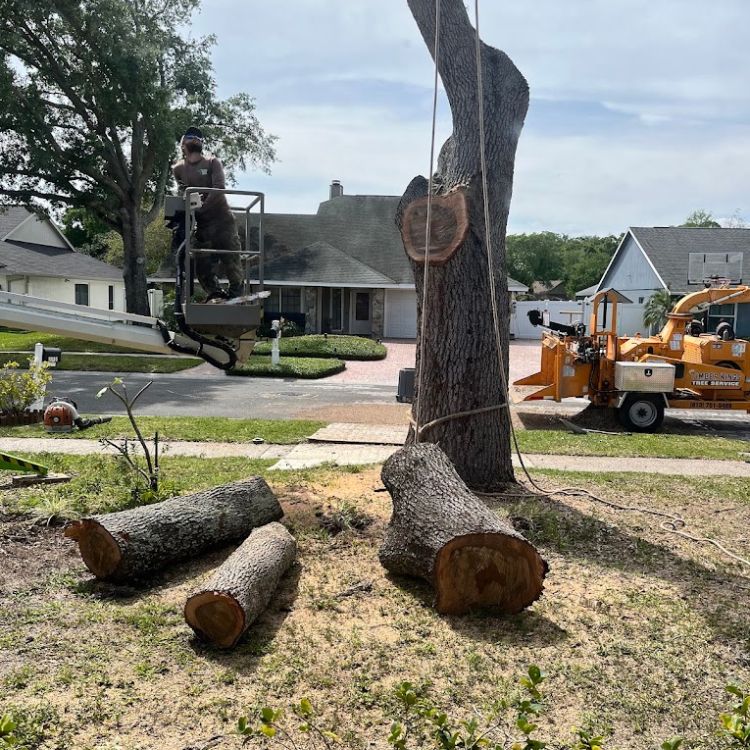
Start by treating anything near power lines, hanging over a roof, or showing major cracks or leaning as urgent. If the tree or limbs could fall, restrict access and wait for the right team to assess it safely. For most storm-impacted properties, the next step is a targeted inspection to determine whether tree trimming, tree cutting, storm damage cleanup, or tree removal is needed. After the hazard is addressed, you can plan for stump grinding or stump removal if roots were damaged. If you are unsure, call a local tree service team like Timber Kings Tree Service in Valrico, TX.
What to Check First
Right after wind damage, your goal is to spot hazards without putting yourself in danger. Begin with a perimeter check from a safe distance, then decide whether you need emergency-focused attention or a scheduled storm cleanup.
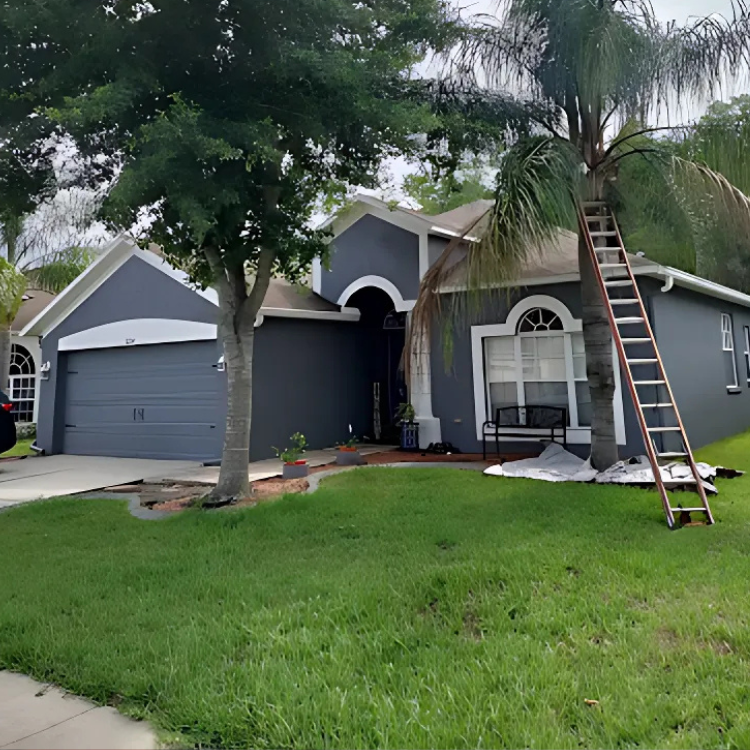
Professional observation: Wind can loosen internal structure even when branches still look attached, so “it is not on the ground yet” does not always mean it is stable.
Here are the most practical items to look for, especially around homes and landscaping in Valrico:
- Power line proximity: If branches are near lines or wires are contacting limbs, keep people away and prioritize professional handling.
- Hanging limbs: Limbs that are suspended, under tension, or rubbing on a structure can shift during additional wind.
- Cracks, splits, and peeling bark: These are typical signals of compromised wood after storm stress.
- Leaning or shifted trunks: A tree that moved after the storm may need hazardous tree removal rather than routine pruning.
- Blocked exits and access: If a storm created a barrier, focus on safe routes for people and vehicles first.
If you are dealing with active storm damage right now, use Timber Kings Tree Service’s storm-damage page to understand how the team approaches damaged trees and cleanup: storm damage support.
Main Things Customers Should Understand
“Tree trimming” after wind damage is not always the same type of service as regular shaping or routine pruning. After storms, the work is often about hazard reduction, load removal, and preventing secondary damage.
Helpful framing: A storm-impacted tree may require crown reduction, crown thinning, or dead tree removal, but the priority is stability first. Tree health assessment matters because the cuts you make (or do not make) can influence how the tree regains strength.
One common industry reality: teams frequently find that what looks like “one broken limb” is actually part of a larger failure pattern. For example, a branch can break because the connection point and surrounding wood were stressed. That is why a proper arborist-style evaluation should consider the whole tree, not only the visible break.
When trimming is enough
If the tree is stable and only certain limbs are damaged, the solution may be controlled tree pruning, tree trimming, or selective tree cutting to remove unsafe sections.
When cutting is safer than “fixing”
If limbs are hanging under tension or rubbing on structures, partial removal with proper rigging is often safer than trying to reposition branches yourself.
When removal or cleanup is required
If the trunk is leaning, the root system is compromised, or the tree is at risk of falling, hazardous tree removal and fallen tree removal may be the better path.
Why this matters in Valrico, TX
In Valrico, TX, properties often include mature shade trees along driveways, in front yards, and near older roofing and fences. After wind events, damaged branches can land where they cause the most trouble, such as blocking access to the home, impacting landscaping beds, or creating new debris hazards around the yard.
Another local consideration is how quickly storm debris piles up. Yard cleanup is not only about appearances. Brush clearing and land clearing services can be relevant when storm damage affects larger sections of a property, especially for commercial tree service needs or properties with wider boundary lines.
If the storm created a mess that goes beyond trimming, you may need a broader service scope. For example, these pages can help you match the right service to what you are seeing: tree trimming and tree removal.
| What you notice after the wind | Likely next step | Why it matters |
|---|---|---|
| Single limb broken overhead, tree otherwise stable | Targeted trimming or tree cutting | Removes the immediate hazard while avoiding unnecessary cuts to healthy structure. |
| Multiple limbs cracked or rubbing on a roofline | Storm damage cleanup with crown reduction or thinning | Reduces load and prevents abrasion that can worsen damage. |
| Tree leaning or ground disturbed near the base | Hazardous tree removal assessment | A leaning trunk can indicate root or stem failure, which trimming cannot “fix.” |
| Stump left behind after removal | Stump grinding or stump removal | Helps clear the area for safer footing and future landscaping. |
Need help deciding what kind of tree trimming is required?
Call Timber Kings Tree Service to talk through what you are seeing after wind damage around your Valrico property. A quick assessment can help you understand whether you need trimming, tree cutting, storm cleanup, or stump grinding.
(813) 701-0498Common Mistakes to Avoid
After a storm, it is tempting to handle branches yourself or wait until you can “see what happens.” Those choices can increase the risk of further damage to your home, landscaping, and people.
- Waiting too long: If a limb is hanging or a tree is leaning, additional wind can trigger a sudden shift.
- Cutting without evaluating tension: Storm limbs may be under load, so an uncontrolled cut can cause unexpected movement.
- Ignoring trunk health: Broken branches can hide deeper structural issues that require a different approach than routine tree pruning.
- Relying on “looks okay”: Cracks, bark separation, and unusual angles often indicate internal compromise.
- Forgetting the stump: If removal leaves roots behind, stump grinding may be the safer way to clear the area for future use. You can review stump-focused options here: stump grinding.
Customer Checklist
Use this checklist before you call, so you can share clear details. It also helps you confirm that the work you request matches the problem you have.
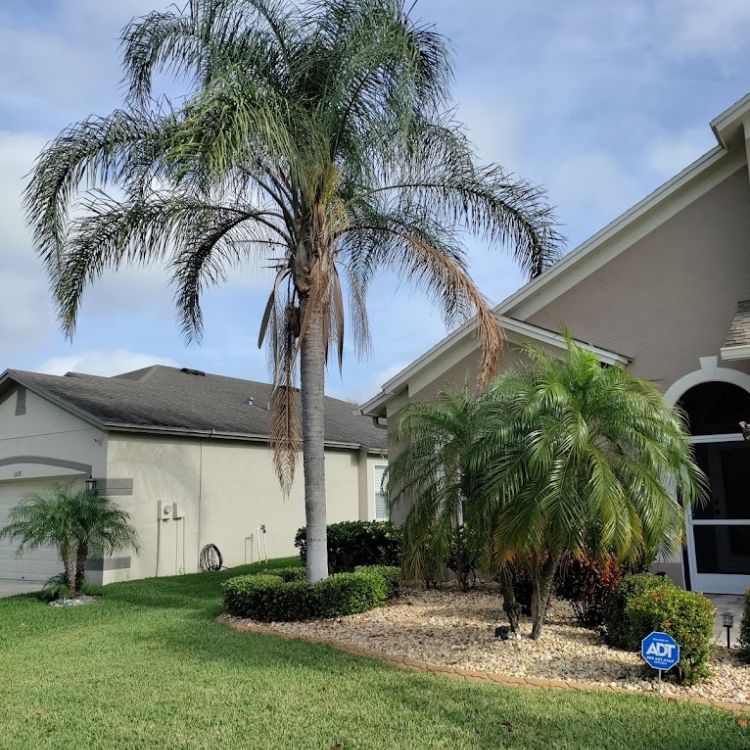
- Identify the location: driveway, front yard, backyard, fence line, or near the roof.
- Note what you see: hanging limbs, cracks, leaning trunk, blocked exits, or debris piled up.
- Check clearance: estimate how close branches are to power lines, windows, or the roof.
- Decide what is off-limits: keep people away from the drop zone and restrict access to the area.
- Record the condition: take mental notes on whether the tree seems stable or moving.
- Confirm the cleanup scope: ask whether the job includes storm damage cleanup and brush clearing.
- After removal: consider stump grinding or stump removal if you want the area cleared for future landscaping.
Representative Scenario
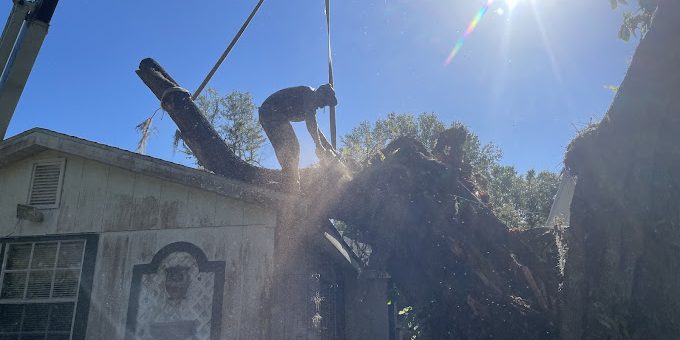
Imagine a Valrico homeowner who hears branches snapping during a windy night. By morning, one large limb is hanging over the walkway and another limb is pressing against the roof edge. The tree trunk looks upright, so the homeowner assumes trimming will be quick. After a closer assessment, the team identifies tension points where the limb could drop if cut improperly, and they remove the unsafe section with controlled technique. Once the hazard is cleared, the remaining branches are evaluated for whether crown reduction or crown thinning is needed to prevent future rubbing and stress. The final cleanup also addresses smaller debris so the yard is safer to use again.
Frequently Asked Questions
How do I know if I need tree trimming or tree removal after wind damage?
Start with stability. If the tree is leaning, the ground near the base looks disturbed, or you see significant cracking or splitting, trimming alone may not be enough. If only certain branches are damaged and the tree structure appears stable from a safe distance, targeted tree pruning or tree cutting may address the hazard. A tree health assessment helps confirm whether crown reduction or removal is the safer option. If you are unsure, have a local team evaluate the tree so you do not make cuts that could worsen the damage.
Is storm cleanup the same as regular tree pruning?
Not usually. Regular pruning focuses on shaping and long-term health goals like tree shaping, crown thinning, or crown reduction. Storm cleanup focuses on hazard removal first, such as dead tree removal, fallen tree removal, and removing limbs that are hanging under tension or contacting structures. Cleanup can also include brush clearing to restore safe access around the property. In Valrico, wind-driven storms often create debris patterns that require a broader cleanup approach than routine maintenance.
Should I try to move branches myself to reduce the danger?
It is safer to avoid moving or cutting storm-damaged limbs yourself. Branches can be under tension, and moving one section can shift load to another part of the tree or cause a sudden drop. If limbs are over a walkway, near windows, or close to roof edges, keep people away and let a tree service team handle controlled removal. If the damage is near power lines, professional guidance is especially important so the work is done with appropriate safety steps.
What about the stump after tree cutting or removal?
Once the tree or limb is removed, you may still be dealing with a stump that affects mowing, landscaping, and safe footing. If you want the area fully cleared, stump grinding or stump removal can be the next step. Stump grinding is often used to reduce the remaining stump size and help prepare the area for future planting or land use. If the roots were disturbed by the storm, addressing the stump can also improve how the yard functions day to day.
Can damaged trees lead to future problems like disease or pests?
Yes. Storm stress can weaken a tree and create openings through damaged bark or broken limbs. Over time, weakened trees can become more vulnerable to tree disease treatment needs or tree pest control concerns. That is one reason a tree health assessment after storm damage is useful. It helps identify whether the tree should be monitored, pruned for structure, or handled differently to support long-term tree care services.
Get your Valrico property back in safe working order
If wind damage left limbs hanging, branches rubbing on structures, or a tree that looks unstable, Timber Kings Tree Service can help you choose the right next step. You can also explore emergency-focused guidance when needed: emergency tree service.
Contact Timber Kings Tree Service
Timber Kings Tree Service
Timber Kings Tree Service provides tree care services for residential and commercial properties in Valrico, TX and surrounding areas. From storm damage cleanup and emergency tree service planning to tree removal, tree trimming, stump grinding, and lot land clearing, the team focuses on practical hazard reduction and careful tree work that matches what is happening on your property.