Signs Storm Damage Trees Need Immediate Service Tonight
After a storm rolls through Valrico, TX, it is common to find branches down, trunks cracked, and “mostly standing” trees that still feel unsafe. This guide helps you spot the urgent warning signs, decide what to leave alone, and understand what tree care services like storm damage cleanup, tree cutting, and tree pruning may be needed to protect people and property.
It is late, the rain has finally slowed down, and you step outside in Valrico, TX to check what you can see. One tree looks “okay” from a distance, but up close you notice broken limbs, a leaning trunk, or bark that looks freshly torn. The yard is quieter, yet your gut tells you to keep everyone inside and figure out what is actually safe.
Storm damage can change a tree’s stability fast. A limb that snapped can leave hidden weaknesses in the crown, and a trunk crack can widen as wood dries and settles. This guide will help you understand which signs mean you need immediate tree service tonight, what to check before you move anything, and how to plan the next steps for safer tree health and cleanup around your home or business.
- Quick answer
- What to check first
- Main things customers should understand
- Why this matters in Valrico, TX
- Common mistakes to avoid
- Customer checklist
- Frequently asked questions
Quick Answer
If you see a downed tree or limb, a tree leaning more than usual, cracking sounds, hanging branches, or any contact with power lines, treat it as urgent. Keep people and pets away, avoid pushing or cutting anything near the unstable area, and call a professional tree service that can handle storm damage safely. In Valrico, TX, wind and heavy rain can create hidden break points, so a quick site check is often the difference between a manageable cleanup and a bigger hazard later. Start by marking the danger zone and making one call to Timber Kings Tree Service.
What to Check First
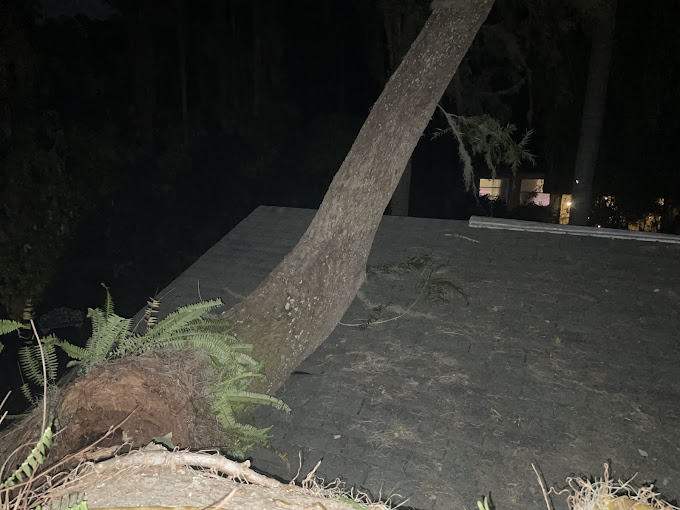
Start with safety, not cleanup. Walk a safe distance and look for obvious hazards you should not approach. If you can smell burning, hear buzzing, or spot sparks, stop immediately and keep everyone inside. Otherwise, scan the tree line for signs of instability: broken main limbs, split bark, a trunk that has shifted, or branches that are suspended but not fully down. If the tree is near a driveway, porch, or walkway, assume it may move again as it finishes settling.
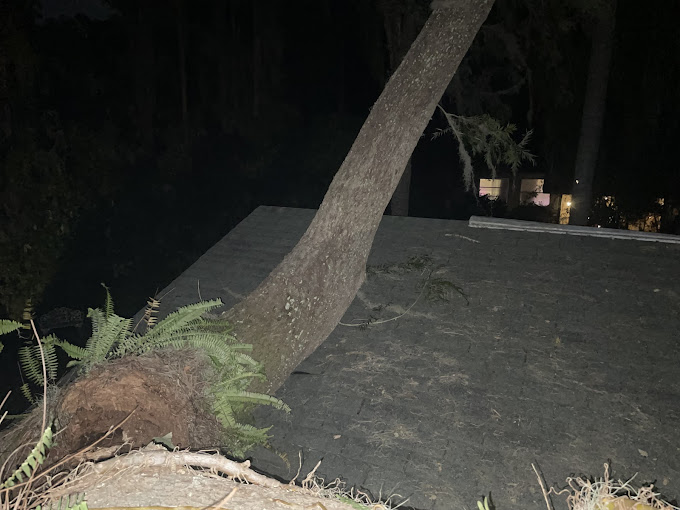
Next, check what the storm affected around the tree. Look for compromised roots (soil heaved or pulled away), damaged fencing or roofline contact, and limbs tangled in other trees. These clues help identify whether the safest move is tree cutting, crown reduction, or full removal. If you are unsure, you are already doing the right thing by pausing and getting a tree health assessment before anyone attempts a “quick fix.”
Red flags you do not move
- Power line contact or anything suspiciously close to lines
- Hanging limbs that look like they are “caught” in place
- Cracks in the trunk or major limb union
Property-impact clues
- Branches resting on roofs or gutters
- Fallen limbs blocking stairs, doors, or vehicles
- Roots exposed or soil pushed up around the base
Tree-health indicators
- New deadwood after the storm
- Damaged bark where rot can start
- Uneven crown after limb loss
Main Things Customers Should Understand
Storm damage does not always look like “the tree is down.” Sometimes the most dangerous trees are the ones that are still upright but have lost strength. A broken branch can change the way weight transfers through the crown, and a crack at the trunk can widen under wind gusts. In Valrico, TX, where storms can bring heavy winds, the safest approach is to treat suspicious trees as hazardous until they are assessed and stabilized.
Professional observation: If a tree’s canopy is missing large sections or the trunk looks “off-center,” there is often more internal damage than what you can see from the yard edge.
What service may be needed after storm damage
Depending on what the storm did, the next step could be storm damage cleanup, tree cutting for unstable limbs, or tree pruning to remove compromised sections. If the base is affected, stump removal and stump grinding can be part of restoring safe access and preventing regrowth in the wrong areas. For properties that took a broader hit, lot land clearing can also be necessary so you can safely access the site and reduce future risk.
| What you notice after the storm | Typical next step | Why it matters for safety |
|---|---|---|
| Hanging limbs that are not fully on the ground | Storm damage cleanup and controlled tree cutting | They can drop suddenly as the wood shifts or dries |
| Trunk crack, bark tear, or major limb split | Tree health assessment and possible removal | Cracks can widen, especially with additional wind gusts |
| Roots exposed or soil pulled away at the base | Hazardous tree removal planning | Unstable roots can cause further leaning or movement |
| Stump left behind where a tree fell | Stump grinding and stump removal | Stumps can become trip hazards and may sprout |
| Multiple damaged trees across the property | Lot land clearing support | Clearing the site helps reduce ongoing hazards and access issues |
Need help assessing storm damage in Valrico, TX tonight?
Timber Kings Tree Service can help you sort what is urgent, what can wait, and what needs controlled tree cutting or storm damage cleanup. Start with a quick call and we will guide you on the safest next step.
Call Timber Kings Tree ServiceWhy This Matters in Valrico, TX
After storms in Valrico, TX, properties often have a mix of mature shade trees, smaller ornamental trees, and landscaped areas close to homes. Heavy wind can snap limbs at unexpected angles, and wet wood can make branches feel “secure” even when they are only partially held in place. That is why local storm damage cleanup is more than hauling debris. It is also about checking stability and reducing the chance of a second failure.
One firsthand-style pattern we see after wind and rain is this: customers remove the easy pieces first, then discover the main hazard was still standing. The remaining tree may have a stressed trunk or a crown that lost balance. In those moments, people often want to “fix it themselves” to regain normalcy. A safer plan is to have an arborist-style assessment first, then move forward with the right service such as storm damage cleanup or emergency tree service when hazards are present.
Common Mistakes to Avoid
When you are dealing with storm damage, it is easy to rush. The biggest risk is assuming the tree will stay put just because it is still standing. Another common issue is cutting or pulling on branches before you understand how the load is distributed. That can turn a “stuck” limb into a sudden drop, or it can shift the tree’s center of mass.
Common mistakes:
- Trying to move debris without checking for power line hazards
- Cutting hanging limbs where they are still under tension
- Removing only the visible broken pieces and leaving the unstable trunk or crown
- Waiting too long when you notice cracks, leaning, or roots disturbed by the storm
- Ignoring the cleanup phase, then dealing with trip hazards later from stumps and partially broken wood
Customer Checklist
Use this checklist tonight to make your property safer while you decide next steps. It is designed for homeowners and property managers who want practical guidance without taking unnecessary risks.
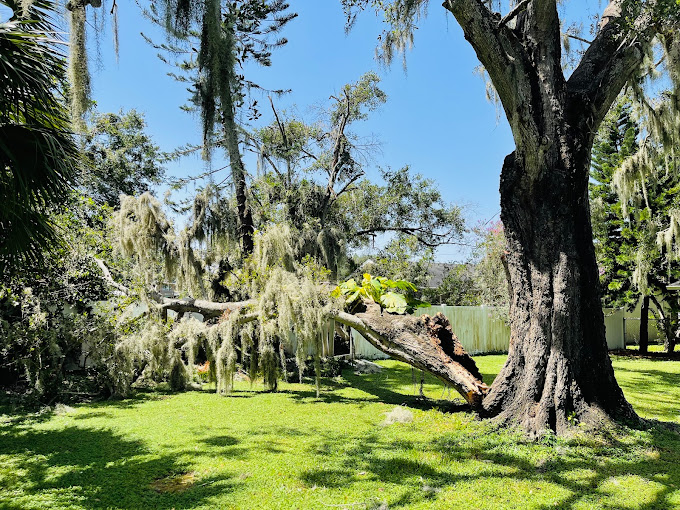
- Keep everyone away from the tree line, especially near hanging limbs or cracked trunks
- Check for power line contact or anything that appears dangerously close to utility lines
- Look for trunk cracks, bark tears, or major limb splits and treat them as urgent
- Observe whether the tree is leaning or whether roots look disturbed at the base
- Mark a danger zone and block off affected walkways, driveways, and entrances
- After hazards are controlled, plan the next steps such as tree trimming, tree removal, or stump grinding
Representative Scenario: What Happens After the Wind Stops
At a home in Valrico, TX, a large branch snapped during the storm and landed partly in the yard. The trunk was still standing, but the crown was lopsided, and a split appeared near a main limb union. The homeowner started clearing the smaller twigs first, then noticed a heavier limb still “suspended” and creaking as the air shifted. Instead of tugging or cutting, they kept the area blocked and called Timber Kings Tree Service for a storm-damage assessment. The next step involved controlled tree cutting to remove the unstable sections and restore safe access, followed by cleanup so the property could be used again without lingering hazards.
Frequently Asked Questions
How do I tell if storm damage is just debris or a real hazard?
Storm debris is not always the hazard. If you notice trunk cracks, bark tears at major limb unions, a tree leaning more than before, or roots that look pulled away from the base, those are stability clues. Hanging limbs that do not fully rest on the ground can also fail later as the wood shifts. When you are unsure, treat it as urgent and get a tree health assessment before anyone attempts to cut or move sections.
Should I try tree trimming myself if a branch is broken but the tree is still standing?
It depends on what is damaged, but cutting is often riskier than it looks after a storm. Broken branches can be under tension, and removing them incorrectly can make the limb drop unexpectedly. In Valrico, TX, wet wood and wind can increase unpredictability. A safer approach is to keep the area clear, let a professional evaluate the load and stability, and then proceed with the appropriate service, whether that is tree pruning or hazardous tree removal.
What should I do about stumps after a tree falls in the yard?
After cleanup, stumps can become trip hazards, and they can complicate mowing or landscaping. They may also sprout depending on the tree species and how the stump was left behind. Stump grinding and stump removal are common next steps when you want the area to be level and safer. If the storm caused multiple trees to fall, lot land clearing may also be the best way to restore workable access.
When do I need emergency tree service versus regular scheduling?
Consider emergency service when there is clear danger, such as power line concerns, a trunk crack, a tree leaning with exposed roots, or hanging branches that could drop. If the storm changed the tree’s stability, waiting can increase risk. If you are not sure whether the situation is stable, it is reasonable to call for guidance so the hazard can be assessed and prioritized safely.
Can storm damage affect tree health even if the tree looks mostly fine?
Yes. Storms can create wounds in bark and the crown, and those injuries can lead to decay over time. Even if a tree appears upright, internal damage can affect how well it withstands future wind. A tree health assessment helps determine what parts should be removed, what pruning is appropriate, and what needs monitoring for tree disease treatment or tree pest control concerns later.
Get the safest next step for storm-damaged trees
If you are dealing with storm damage around your home or property in Valrico, TX, the safest move is to avoid guessing. Timber Kings Tree Service can help you plan what to remove, what to prune, and how to restore safe access after wind and rain.
Request help from Timber Kings Tree Service
Timber Kings Tree Service provides tree care services for residential and commercial properties in Valrico, TX and surrounding areas. From storm damage cleanup and emergency tree service to tree removal, tree trimming, tree pruning, and stump grinding, our goal is to help you reduce hazards and support healthier long-term tree care.
If you need help deciding between tree removal and selective work like crown reduction or crown thinning, start with a quick conversation. You can also explore more services such as tree removal, tree trimming, and stump grinding to understand what each step can address.