Tree Service Guide to Healthy Growth and Shape
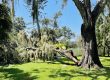
A mature live oak shading a Valrico storefront. A row of queen palms framing a Brandon office complex. A stately laurel oak towering over a Riverview backyard. In Hillsborough County, healthy, well-shaped trees aren’t just background scenery—they’re part of your property’s value, safety, and curb appeal.
University of Florida research shows that properly maintained trees can increase property values by 7–15%. On the other hand, poorly maintained or hazardous trees are among the top contributors to storm-related property damage in Florida, especially during hurricane season.
For home and business owners across Valrico, that raises a key question: how do you encourage strong, healthy growth and attractive shape in your trees—without creating hidden risks?
This guide walks you through practical, Florida-specific strategies for tree health, structure, and safety. You’ll learn how professional pruning supports long-term growth, when Tree Removal is the safest option, how to manage roots and stumps, and what to do before and after severe weather. You’ll also see real examples from local properties and get answers to the questions Valrico property owners ask most.
Key Insight: Healthy tree growth and attractive shape come from consistent, strategic care—not quick fixes. The right plan protects your property, your budget, and your landscape for years to come.
Understanding Tree Structure: The Foundation of Healthy Shape
Healthy shape starts inside the tree, not at the ends of the branches. The structure—trunk, main leaders, and scaffold branches—determines how a tree will handle wind, weight, and age. In Valrico, where afternoon storms and tropical systems are common, structural strength is not optional.
Arborists look for:
- A single, dominant central leader on young trees
- Strong branch unions (broad angles, no included bark)
- Even distribution of branches around the trunk
- Balanced canopy weight, especially on oaks and maples
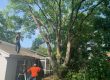
A few years ago, a Valrico homeowner called Timber Kings about a large laurel oak leaning over their driveway. The canopy looked full and green, but the structure told another story: multiple co-dominant stems and heavy limbs stretched over the roof. Our crew performed a thorough tree health assessment, then recommended selective pruning and eventual Tree Removal because decay was present at the base. Months later, a strong storm hit. Similar oaks in the neighborhood lost major limbs; this client’s remaining trees, which had been structurally pruned, held up well.
“Good tree structure is like good building design—it may not be flashy, but it’s what keeps everything standing when the wind comes.” — ISA Certified Arborist
As we move into pruning and shaping, keep structure in mind. Every cut should support stronger architecture, not just a tidier outline.
Pruning and Trimming for Strong, Balanced Growth
Thoughtful Tree Trimming and tree pruning are the most powerful tools for guiding healthy growth and attractive shape. Done correctly, pruning can:
- Reduce storm damage risk
- Encourage stronger branch angles
- Improve airflow and light penetration
- Support a balanced, pleasing canopy
Done poorly, it can leave trees stressed, unstable, and vulnerable to disease.
What Good Pruning Looks Like in Valrico
For common local species—live oaks, laurel oaks, crape myrtles, magnolias, and palms—best practices include:
- Crown thinning: Selectively removing interior branches to reduce weight and wind resistance while keeping the natural form.
- Crown reduction: Carefully shortening the canopy height or spread by cutting back to strong lateral branches, not stubs.
- Tree shaping: Guiding branch direction and spacing when trees are young, especially near buildings, driveways, and power lines.
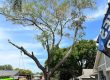
A Brandon retail center recently asked Timber Kings to reshape a row of live oaks whose branches were scraping parked vehicles. Instead of aggressive topping, our crew used crown reduction and thinning techniques, removing crossing and weak branches and reducing length on overextended limbs. The result: more clearance for customers, a safer parking lot, and trees that still look natural and healthy.
“Every cut is a permanent decision. We remove only what we must to improve safety, structure, and health.” — Timber Kings Climbing Specialist
Professional arborist services follow ANSI A300 pruning standards, which limit how much living tissue can be removed at one time—typically no more than 20–25% of the canopy. That’s especially important in our hot, sunny climate, where over-thinning can scorch inner branches and stress the tree.
Managing Risk: When Removal Is the Healthiest Option
Sometimes the healthiest decision for your landscape is to remove a tree. That can be a tough call, especially for mature oaks that have been part of a property for decades. But ignoring a hazardous tree often leads to far higher costs after a storm.
Common reasons for Tree Removal or hazardous tree removal in Valrico include:
- Extensive decay at the trunk or major limbs
- Large dead sections in the crown
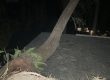
- Significant lean with root plate movement
- Severe storm damage or lightning strikes
- Trees planted too close to foundations or utilities
A local business park in Valrico contacted Timber Kings after noticing mushrooms growing at the base of a massive laurel oak. Our assessment found advanced internal decay and root damage, likely from years of soil compaction and prior construction. The tree hung over a busy parking area. We recommended dead tree removal on a scheduled weekday morning, coordinating with property management to minimize disruption. The client later shared that a neighboring property had a similar tree fail during a storm, causing thousands in damage—an outcome they successfully avoided.
Here’s how proactive removal compares to reactive cleanup:
| Scenario | Proactive Removal (Planned) | Reactive Failure (Storm or Collapse) |
|---|---|---|
| Cost predictability | High – quoted in advance | Low – emergency rates, unknown repair costs |
| Safety control | High – controlled environment | Low – risk to structures, vehicles, people |
| Impact on operations | Scheduled, minimized disruption | Unscheduled downtime, possible closures |
| Liability exposure | Reduced with documented action | Increased if known hazard was ignored |
| Insurance claims | May be lower or avoided | Often higher; may affect premiums |
For large or complex jobs—near buildings, over pools, or close to power lines—working with a certified arborist and insured residential or commercial tree service is essential. Precision rigging, cranes, and experienced climbers keep your property safe throughout the process.
Roots, Stumps, and the Hidden Half of Tree Health
What happens underground has as much impact on growth and shape as what you see above. In compacted Florida soils, especially around new construction and commercial sites, roots often struggle—leading to instability, poor growth, and surface root issues.
After a tree is removed, how you handle the stump and remaining roots also affects future landscaping, hardscaping, and safety.
Why Stump Grinding Matters
Leaving a stump in place can:
- Attract pests like termites or carpenter ants
- Create trip hazards in yards, parking lots, and play areas
- Interfere with mowing or new plantings
- Encourage unwanted regrowth (especially on some hardwoods)
Professional Stump Grinding and stump removal grind the stump below grade and break up major surface roots. The area can then be backfilled with soil and re-sodded or replanted.
A Valrico homeowner recently purchased a property with several old stumps dotting the backyard—remnants of trees removed years earlier. They wanted a safe play space for their children and room for a small patio. Our crew used stump grinding near existing fencing and irrigation lines, carefully controlling depth to avoid damage. Within a few weeks, the client had fresh sod laid and the yard looked like the stumps had never existed.
“Root systems are the tree’s lifeline. Protect them while the tree is growing, and manage them responsibly when the tree is gone.” — Timber Kings Crew Lead
Protecting Roots on Existing Trees
For trees you plan to keep, simple steps go a long way:
- Maintain a wide mulch ring (not piled against the trunk)
- Avoid heavy equipment or parking over root zones
- Plan sidewalks, driveways, and patios to minimize root cutting
- Address drainage problems that keep roots too wet or too dry
Thoughtful root and stump management supports not only current tree health, but also future landscape projects and property uses.
Storm-Ready Trees: Preparing for Florida’s Severe Weather
In Valrico, tree care and storm preparation are inseparable. Our region regularly experiences strong thunderstorms, tropical storms, and hurricanes. Well-maintained trees are more likely to withstand high winds; neglected or poorly pruned trees are more likely to fail.
Before the Storm
A storm-resilient tree plan typically includes:
- Regular structural pruning on large shade trees
- Removing dead, dying, or broken limbs
- Reducing weight on overextended branches
- Correcting past bad cuts (like topping) where possible
- Targeted Hazardous Tree Removal for the most at-risk trees
A Valrico HOA asked Timber Kings for a pre-season storm damage risk assessment across common areas. We identified several trees with significant defects over playgrounds and walking paths, recommended selective pruning, and scheduled phased removals for the most compromised specimens. That summer, a tropical storm brought strong winds and heavy rain. While neighboring communities dealt with fallen tree limbs and blocked entrances, this HOA experienced only minor debris.
“Storm preparation is not about making trees shorter; it’s about making them stronger and more structurally sound.” — Certified Arborist, Tampa Bay
After the Storm
Despite the best preparation, severe weather can still cause:
- Fallen tree removal needs
- Broken limbs hanging over roofs or driveways
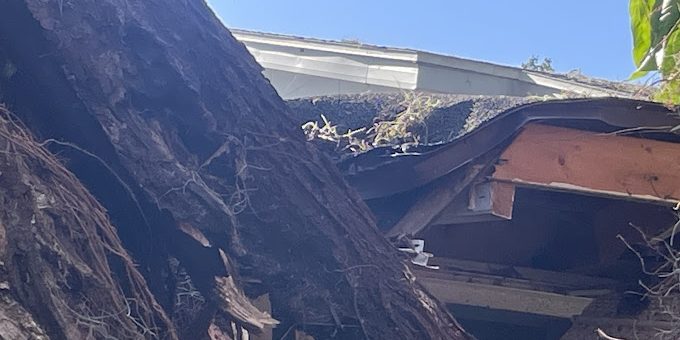
- Uprooted trees leaning on structures or fences
That’s where Storm Damage cleanup and Emergency Tree Service become critical. Fast response reduces further damage from:
- Branches shifting or falling after the storm
- Water intrusion through damaged roofs
- Blocked access for vehicles and emergency services
Proactive care plus a clear emergency plan keeps your trees an asset—not a liability—during Florida’s unpredictable storm seasons.
Planning the Bigger Picture: Lot, Land, and Brush Management
Healthy growth and attractive shape aren’t just about individual trees. They’re about how trees fit into the broader landscape and how that landscape supports safety, access, and future development.
For larger residential properties, commercial sites, and new construction in Valrico, comprehensive land management often involves:
- Selective Lot Land Clearing
- Brush clearing and invasive species removal
- Forestry mulching to manage undergrowth
- Tree selection and placement for shade, screening, and aesthetics
A local contractor preparing a small commercial site in Valrico contacted Timber Kings to clear the lot while preserving several high-value live oaks near the planned building. Instead of clearing everything, our team worked from a tree-first plan:
- Marked “keep” trees and established no-disturb zones
- Removed low-value, poorly placed, or hazardous trees
- Used brush clearing and mulching to open understory without destabilizing soil
- Coordinated with the builder to protect roots during grading and construction
The result was a new business with mature shade trees from day one—boosting curb appeal and reducing future cooling costs.
Here’s a comparison of common land management approaches:
| Approach | Best For | Pros | Cons |
|---|---|---|---|
| Full land clearing | Large-scale development | Fast, simple, easy to re-grade | Loses all existing tree value, more erosion |
| Selective clearing | Residential builds, small commercial sites | Keeps best trees, better aesthetics, shade | Requires planning and skilled operators |
| Forestry mulching | Overgrown lots, trails, firebreaks | Controls brush, returns organic matter to soil | Not for large trees or precise root work |
| Brush clearing only | Fence lines, access paths | Improves access, visibility, safety | Doesn’t address major tree hazards |
Thoughtful land clearing services set the stage for long-term tree health, safer access, and an attractive final result.
What This Means for Businesses in Valrico, FL
For Valrico businesses—whether you manage a single storefront or multiple commercial properties—trees are a visible part of your brand and a critical part of your risk profile.
Well-managed trees:
- Create welcoming entrances and comfortable outdoor areas
- Provide shade that can reduce cooling costs and heat islands
- Signal care and professionalism to customers and tenants
Neglected trees, on the other hand, can:
- Block signage and lighting
- Drop limbs or debris on vehicles and walkways
- Trigger expensive claims after storms
Local competition is strong in the Tampa Bay area. A plaza with tidy, shaded parking and healthy, well-shaped trees often feels safer and more inviting than one with overgrown or damaged trees. That perception affects how long customers stay, how often they return, and what they’re willing to pay.
From a risk management standpoint, regular tree care services and documented tree health assessments show that you’re taking reasonable steps to manage hazards—something insurers and attorneys look at closely after an incident.
For businesses, a strategic tree plan in Valrico typically includes:
- Annual or biannual inspections by a certified arborist
- Scheduled tree trimming near buildings, signs, and lighting
- Targeted pruning to maintain clear sightlines and safe walkways
- Proactive hazardous tree removal and stump grinding in high-traffic areas
- A relationship with a trusted emergency tree service provider for post-storm response
Investing in healthy growth and shape isn’t just about appearances. It’s about safety, liability, customer experience, and long-term property value in a region where weather and competition both demand your attention.
Frequently Asked Questions
Q: How often should trees be trimmed in Valrico’s climate?
A: Most established shade trees in Valrico benefit from professional Tree Trimming every 2–3 years. Fast-growing species like laurel oaks may need attention a bit more frequently, especially near buildings or parking lots. Young trees often require structural pruning every 1–2 years to guide strong form early. Palms typically need annual or semi-annual cleaning to remove dead fronds and seed pods. The exact schedule depends on species, age, location, and past care, which is why a periodic tree health assessment is so valuable. A certified arborist can tailor a plan that balances safety, aesthetics, and budget.
Q: How do I know if a tree is dangerous and needs removal?
A: Warning signs include large dead branches, visible cracks in the trunk, mushrooms or soft, decaying wood at the base, a sudden lean, or soil lifting on one side after storms. In Valrico’s sandy soils, root issues aren’t always obvious from above, so it’s important not to rely solely on appearance. If a tree overhangs a structure, parking area, or play space and shows any of these symptoms, call for a professional evaluation. An arborist will inspect the trunk, crown, and root zone, then recommend pruning, cabling, or Tree Removal if the risk is too high. Documented hazardous tree removal can prevent far more costly storm damage later.
Q: Is stump grinding really necessary, or can I leave the stump?
A: Leaving a stump is an option, but it comes with trade-offs. Exposed stumps create trip hazards, attract pests, and make mowing or landscaping more difficult. Over time, they can also encourage unwanted sprouts, especially with species like laurel oak or maple. For most Valrico homeowners and businesses, professional Stump Grinding is a practical solution. It removes the visible stump and major surface roots to below grade, allowing you to install sod, plant new trees or shrubs, or even expand hardscapes. If you’re planning future construction, stump removal also simplifies grading and foundation work.
Q: What should I do if a tree or large limb falls during a storm?
A: First, prioritize safety. Stay clear of downed power lines, avoid walking under partially fallen trees, and keep people and pets away from the area. Do not attempt large tree cutting or removal yourself—especially with trees on roofs, vehicles, or near utilities. Contact an insured Emergency Tree Service provider with experience in storm damage work. In Valrico, reputable companies can coordinate with your insurer, document the damage, and safely handle fallen tree removal using proper rigging and equipment. Take photos for your records, and if the tree came from a neighboring property, document property lines as well.
Q: Are there specific trees that do better in Valrico and require less maintenance?
A: Yes. Native and well-adapted species generally perform best in our hot, humid, storm-prone climate. Live oaks, southern magnolias, cabbage palms, and certain crape myrtles are good examples when planted in the right spot and given proper early care. These trees tend to have stronger natural structures and better pest resistance, meaning less intensive tree disease treatment and pest control over time. However, even “low-maintenance” trees benefit from early structural pruning, periodic thinning, and occasional tree health assessments. A local certified arborist can recommend species and placements that fit your property’s goals and maintenance preferences.
Q: Can I handle small tree trimming myself, or should I always hire a pro?
A: Homeowners can safely handle some minor pruning—such as removing small, low branches on young trees with hand tools—if they understand basic pruning cuts and avoid ladders and power equipment. However, anything involving climbing, chainsaws, or branches over 2–3 inches in diameter near structures is best left to a professional tree cutting service. In Valrico, many injuries and property damages occur when well-intentioned DIYers underestimate branch weight or cutting angles. Professional arborist services follow industry safety standards, carry insurance, and understand how each cut affects long-term tree health and shape.
Q: How does land clearing impact the health of trees I want to keep?
A: Aggressive or unplanned land clearing can severely damage the roots and soil around trees you plan to preserve. Heavy equipment compacting soil, cutting roots too close to the trunk, or changing drainage patterns can stress or destabilize even healthy trees. That’s why selective Land Clearing Services guided by a tree professional are so valuable. In Valrico, Timber Kings often marks high-value trees and establishes root protection zones before clearing begins. This approach allows for brush clearing, forestry mulching, and removal of problem trees while preserving the structure, health, and appearance of trees that will anchor the finished landscape.
Ready to Get Started?
Valrico’s trees grow fast, storms come often, and small issues rarely stay small for long. A branch that merely brushes your roof this year can become a major storm hazard next season. A stump that’s just an eyesore today can turn into a pest magnet tomorrow. Acting now—before the next wind event or growth spurt—gives you more options, more control, and usually lower costs.
Whether you need a straightforward trim, a full tree health assessment, or help planning land clearing for a new project, Timber Kings Tree Service can build a plan tailored to your property. From routine Tree Trimming and Stump Grinding to complex Tree Removal and Storm Damage cleanup, our local team understands the specific demands of Valrico’s climate, soils, and building patterns.
Schedule a visit, walk your property with an expert, and get clear recommendations you can act on with confidence. Your trees—and your property value—will be better for it.
About Timber Kings Tree Service
Timber Kings Tree Service is a locally owned and operated tree care company serving Valrico, FL, and surrounding communities. Our team brings years of experience in residential and commercial tree service, from precise pruning and tree shaping to large-scale land clearing and emergency response. We follow industry best practices and safety standards, and we’re committed to honest assessments, clean worksites, and long-term relationships with our clients. Learn more about our services and local experience at Timber Kings Tree Service.