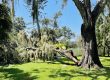
Impact Recovery: Storm Damage Tree Services That Restore
After a storm, trees can look “mostly fine” while their structure, roots, and branches are quietly compromised. This guide explains how to assess fallen tree debris, decide between tree cutting, tree removal, and pruning, and plan the next steps for stump removal and land cleanup around Valrico, TX.
After the wind calms down in Valrico, TX, it is easy to focus on the obvious problems: a branch on the driveway, a leaning limb over the fence, or a tree that is down in the yard. But the bigger risk often comes from what you cannot see right away, like weakened attachment points, damaged roots, and branches that can shift again during the next rain or breeze.
If you are trying to decide whether you need tree trimming, tree removal, or storm cleanup, you also may be wondering what to do first so you can protect people, property, and landscaping. This guide walks you through a practical recovery sequence, common mistakes to avoid, and how to plan for stump grinding and lot land clearing when the damage is more widespread.
Quick Answer
Start by making the area safe and identifying what is truly unstable. If a tree is hanging, leaning, or blocking access, plan for professional storm damage cleanup and likely tree cutting or tree removal. For smaller broken limbs, targeted tree trimming or tree pruning may restore structure and health. After debris is handled, address the remaining stump with stump grinding or stump removal so regrowth and trip hazards do not become long-term issues. For properties that need broader cleanup, include lot land clearing as part of the recovery plan.
What to Check First
Storm damage usually falls into three categories: visible debris, damaged structure, and hidden root or trunk stress. Your goal is to sort those quickly so you do not waste time on the wrong service.
1) Look for stability
Check for trees or limbs that are still attached but could shift. If you see cracking, twisting, or a trunk that is pulling away, treat it as unstable.
2) Check the “path”
Walk the route between the house, garage, and driveway. Fallen branches can create slip hazards even when they look harmless.
3) Assess what’s left behind
Stumps, partially cut trunks, and snapped roots can make mowing difficult and can increase brush clearing needs later.
If you are unsure, focus on the safest next step: get an on-site assessment that considers tree health assessment, branch attachment points, and the best approach for dead tree removal or hazardous tree removal when needed.
Main Things Customers Should Understand
When storms hit, the “right” solution depends less on how big the tree is and more on how it failed. A tree can survive a storm and still become a hazard later, especially if the crown thinning or crown reduction decisions were already borderline before the weather event.
Professional observation: After a storm, the most dangerous situations are often the ones that look “almost done.” A branch may be broken but still held by fibers, or a trunk may lean slightly while roots are partially loosened. Those conditions can change quickly, especially with additional rain or wind.
Here are the service decisions homeowners typically face during impact recovery:
| What you are seeing | Most common recovery service | Why this matters |
|---|---|---|
| Single broken limbs over a walkway or fence | Tree trimming or tree pruning | Removes damaged sections while helping restore safer crown structure. |
| Multiple limbs torn with ragged cuts | Tree cutting with selective clean-up | Reduces stress points and clears debris without unnecessary removal. |
| Tree is down, hanging, or leaning toward a structure | Storm damage tree services and tree removal | Limits the risk of further movement and clears the property safely. |
| Stump remains after removal or partial cutting | Stump grinding or stump removal | Prevents trip hazards, improves yard function, and helps reduce re-sprouting issues. |
| Widespread debris or overgrowth blocking access | Lot land clearing and brush clearing | Restores usable space for mowing, paths, and future landscaping. |
Why This Matters in Valrico, TX
In and around Valrico, TX, storms can leave behind a mix of snapped branches and partially damaged trunks that become harder to manage as time passes. Cleanup usually needs to account for typical backyard layouts, the proximity of trees to homes and fences, and the way debris can accumulate along driveways and drainage paths.
A local recovery plan also helps you avoid the “second problem,” where the yard looks better after the first cleanup, but stumps, broken roots, and remaining brush still create maintenance challenges. Planning for stump grinding near me and land clearing services as part of the overall recovery can make the difference between a one-time mess and a yard you can actually use again.
Customer-focused tip: If you plan to do any replanting or landscaping after storm cleanup, it is usually smarter to finish the tree work first. That way, stump removal and tree cutting do not interfere with new beds, edging, or lawn restoration later.
Common Mistakes to Avoid
Most storm-damage problems are preventable with a better sequence. Here are the mistakes that cost homeowners the most time and stress.
- Trying to “finish it later.” A hanging limb or leaning trunk can shift again. Waiting can turn manageable cleanup into a larger hazard.
- Cutting at the wrong height. Improper tree cutting can leave damaged sections that continue to decay and can create new weak points.
- Ignoring the stump. Leaving stumps can create ongoing issues with mowing, brush clearing, and stump regrowth. Stump grinding is often the cleanup step people postpone.
- Handling debris without a plan. Dragging branches can damage grass and landscaping. A structured storm damage plan clears debris efficiently and reduces property impact.
- Skipping a tree health assessment. If the storm exposed rot or disease, simple “cleanup” may not be enough. Dead tree removal and tree disease treatment may be part of the right long-term approach.
Customer Checklist
- Keep people and pets away from leaning trees, hanging limbs, and any area with cracked trunks or exposed roots.
- Identify what is blocking access (driveway, sidewalk, gate) and prioritize safe clearing of those paths first.
- Note whether you need tree removal, tree cutting, or tree trimming based on stability and the amount of damage.
- Plan for stump grinding or stump removal after debris removal so the yard is usable again.
- For larger property impacts, include lot land clearing and brush clearing so the recovery is complete, not partial.
- Ask for a tree health assessment to address dead tree removal, hazardous tree removal, or signs of tree disease treatment and tree pest control needs.
Representative scenario (anonymized): A Valrico homeowner notices several broken branches after a storm. One limb is draped across the fence, and another branch has snapped near the trunk. The homeowner initially plans to cut only the visible pieces, but the branch that “looks attached” starts to shift when the wind picks up. After a professional assessment, the affected limbs are removed with proper tree cutting, the area is cleared, and the remaining stump is addressed with stump grinding so the yard can be maintained again.
Get a clear recovery plan for your storm-damaged trees
Timber Kings Tree Service can help you choose the right mix of storm damage cleanup, tree trimming, tree removal, stump grinding, and land clearing for your Valrico property.
Review storm damage servicesFrequently Asked Questions
How do I know whether I need tree trimming or full tree removal after a storm?
Use stability as your first indicator. If a tree is leaning, cracked, or has branches that are still attached but appear strained, it often needs storm damage tree services that include tree removal or targeted tree cutting. If the damage is limited to broken limbs and the main trunk and branching structure look intact, tree trimming and tree pruning may be enough to restore safer crown form. A tree health assessment can also reveal whether dead tree removal is needed because the storm exposed compromised areas.
What should I do about stumps after the debris is gone?
Stumps can turn into long-term maintenance issues even when the visible storm debris is cleared. They can create trip hazards, make mowing difficult, and leave behind areas that attract brush growth. Stump grinding is often the most practical follow-up, since it reduces the height of the stump and improves yard usability. In some cases, stump removal is the better path depending on how the trunk was cut and what remains under the surface. Planning this step early helps your recovery feel complete.
Is it ever worth waiting a few weeks before scheduling storm cleanup?
Waiting can be risky if there are unstable trees or hanging limbs. Damage can shift as temperatures change, the yard dries, and wind picks up again. If the situation is stable, you may be able to schedule in an orderly way, but the safest approach is to address anything that blocks access or looks like it could move further. An on-site assessment helps determine whether the priority is immediate removal, careful tree cutting, or smaller tree trimming repairs.
What does lot land clearing include after a major storm?
Lot land clearing typically goes beyond picking up branches. It clears debris and vegetation so the usable space is restored for mowing, paths, and future landscaping plans. Depending on your property, it may include brush clearing and removing damaged trees or limbs that interfere with access. If multiple areas were affected, land clearing services help you avoid leaving “problem zones” that keep coming back as regrowth or additional maintenance needs.
Can storm damage lead to tree disease or pest problems later?
Yes. Storms can expose compromised tissue and create entry points where decay can start. After cleanup, it is common to see areas that need dead tree removal or additional tree care services to support overall tree health. In some situations, tree disease treatment and tree pest control may be part of the recovery plan, especially if the storm revealed signs of weakness, rot, or stressed growth. A tree health assessment is the best way to identify what is actually happening in the tree.
Need storm damage tree services in Valrico?
When you want a practical, property-first approach, Timber Kings Tree Service can help you restore safety and function with the right combination of tree cutting, tree removal, stump grinding, and land clearing services.
(813) 701-0498For related services, you may also find these helpful: tree trimming, tree removal, stump grinding, and lot land clearing.