Canopy Confidence: Tree Trimming That Prevents Breakage
When limbs grow too long or too heavy, they can snap during storms and damage roofs, fences, and landscaping. This guide explains how proper tree pruning and tree cutting reduce risk by improving structure, airflow, and load distribution for homes in Valrico, TX and nearby areas.
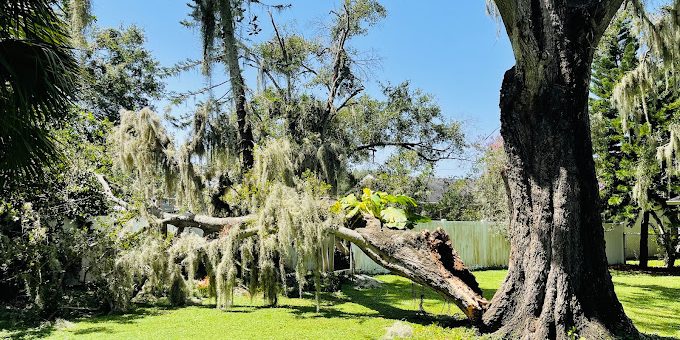
Last month, your neighbor’s tree dropped a few branches right after a windy afternoon. Everything missed the house, but it left a mess in the yard and a lingering question: is your own canopy set up to fail the same way?
In Valrico, TX, trees often grow fast in warm seasons, and canopy weight can build up before anyone notices. If you are seeing dead limbs, rubbing branches, or branches leaning toward your home, you do not have to wait for the next storm to find out what is really going on.
This article walks you through what to look for, why trimming choices matter, and how to plan tree trimming that helps prevent breakage without over-cutting the tree.
Quick Answer
Preventing breakage starts with trimming that respects the tree’s structure. Look for dead branches, weak limb attachments, and canopy areas that rub or crowd each other. A good plan focuses on targeted tree pruning and crown reduction where needed, plus removing hazardous sections so the remaining limbs can carry wind loads more safely. For Valrico homeowners, the safest next step is a tree health assessment and a trimming approach matched to the species and growth pattern, not a one-size-fits-all “thinning” job.
What to Check First
Before you schedule tree trimming, do a quick walk-around. You are not trying to diagnose everything. You are trying to spot the risk signals that usually show up before a branch breaks.
1) Breakage warning signs
Dead tree limbs, hanging branches, or sections that look cracked or split are strong indicators that trimming needs to remove or correct hazardous material.
2) Crowding and rubbing
If branches press together, bark can be damaged over time. That weakens attachments and can lead to sudden failures under wind or ice.
3) Lean and clearance
Note where limbs approach roofs, gutters, fences, or power lines. Clearance problems are often fixable with careful tree cutting and pruning, but the approach must be controlled.
If you suspect storm-related damage already exists, it can change what “safe trimming” looks like. Consider reviewing storm damage tree service if you have fresh breakage, hanging limbs, or new cracks.
Professional observation: Breakage risk usually comes from structure, not just size. When a canopy is trimmed without correcting weak attachment points, the tree can look “cleaner” while still carrying the same load in the wrong places.
Main Things Customers Should Understand
Tree trimming that prevents breakage is not only about removing extra foliage. It is about shaping the canopy so wind can move through it and so limbs do not concentrate weight where failures are likely.
Pruning that supports healthy structure
Good tree pruning typically includes selective removal of problematic limbs, careful crown reduction when height or weight is a concern, and crown thinning when airflow needs improvement. The goal is to keep the tree’s natural form while reducing stress points.
Targeted crown reduction vs. “making it smaller fast”
Crown reduction can help when branches are overextended toward a home or when the canopy has become too heavy. But the most effective approach matches the cut locations to how the tree grows back. Over-cutting can increase stress and create new weak growth.
Dead tree removal and hazardous tree removal
Removing dead limbs and addressing hazardous sections reduces the chance that a weak branch will break and fall. This is especially relevant for older trees, trees with visible decay, or limbs that sound hollow or appear split.
For properties where roots and stumps are also part of the risk, you may need more than trimming. If you are planning cleanup after removal or you are dealing with a stump that keeps sprouting, see stump grinding.
Decision table: trimming choices and what they’re best for
| Situation you notice | Trimming approach to consider | What it helps with |
|---|---|---|
| Dead limbs or hanging branches | Dead tree removal and targeted hazardous tree removal | Reduces sudden drop risk and removes weak material from the canopy |
| Branches rubbing or crossing | Selective pruning to separate and improve spacing | Prevents bark damage and weak attachment points from worsening |
| Canopy feels heavy or overextended toward the house | Crown reduction with controlled cut strategy | Lowers limb load and helps redirect growth back into safer structure |
| Foliage is dense and airflow seems limited | Crown thinning (selective, not “strip it”) | Improves airflow through the canopy and reduces stress during wind events |
| Tree is stressed by disease or pests | Tree health assessment before trimming | Ensures trimming supports recovery and does not worsen weak areas |
Why This Matters in Valrico, TX
In Valrico, TX, homeowners often deal with mixed property types, including established yards with mature trees and newer homes where landscaping is growing in quickly. Either way, canopy weight can build season after season, and stormy afternoons can turn small issues into bigger problems.
One firsthand-style pattern we see is this: after a windy day, the branches that “look fine” from the ground are often the ones that were already stressed by prior rubbing, dead sections, or weak angles. When trimming is scheduled proactively, it is easier to remove the weak parts before they fail.
Local planning tip: If you are also clearing space for landscaping or improving driveway access, consider timing your lot land clearing work with your tree trimming plan. Clearing can change how you manage canopy clearance and what needs to be removed versus pruned. Learn more about lot land clearing services.
Customer Scenario (Representative)
Here is a common scenario in Valrico: a homeowner notices a large limb over the roofline and hears occasional cracking during strong gusts. The tree still looks green, so it gets “put off.” After a heavier storm, a few smaller branches fall, but the main limb remains.
In a careful trimming plan, Timber Kings Tree Service would evaluate the limb attachment and nearby canopy structure, then remove dead or hazardous sections and perform targeted pruning to reduce load on the most vulnerable parts. The outcome is not just a cleaner canopy. It is a canopy that is trimmed with breakage prevention in mind.
Want trimming that focuses on breakage prevention?
Call Timber Kings Tree Service for an on-site tree care plan for your Valrico property.
(813) 701-0498Common Mistakes to Avoid
Even well-intentioned trimming can increase risk if it is done without structure in mind. These are some of the most common problems homeowners run into.
- “Lopping” without a plan: Random cuts can leave weak regrowth and do not address weak attachments.
- Removing too much at once: Heavy removal can stress the tree and lead to more fragile growth.
- Ignoring dead tree limbs: Dead or hazardous sections should be handled first, because they can fail unpredictably.
- Thinning the canopy blindly: Crown thinning should be selective. Over-thinning can reduce branch strength.
- Waiting after storm damage: If limbs are hanging, cracked, or newly split, trimming decisions change. Start with assessment before cutting.
Customer Checklist
Use this checklist to prepare for your tree trimming appointment. It helps you ask the right questions and gives your arborist services team clear details.
- Walk the perimeter and note where branches approach the roof, gutters, fences, or walkways.
- Point out any dead tree removal candidates, including dangling limbs or cracked sections.
- List recent events: strong winds, branch drops, or visible changes since the last storm.
- Take a few photos from ground level, plus one from the street side if the canopy overhangs.
- Mention any concerns about tree pest control or possible disease symptoms (leaf discoloration, dieback, unusual growth).
- Ask what trimming strategy fits your goals: crown reduction, crown thinning, tree pruning, or tree cutting.
Frequently Asked Questions
How do tree trimming choices affect breakage risk?
Breakage risk is tied to structure. Selective pruning helps correct weak limb attachments, separate rubbing branches, and reduce concentrated weight in vulnerable areas. When crown reduction or crown thinning is done with the tree’s natural growth pattern in mind, the remaining canopy is better able to handle wind movement. The wrong approach, like heavy removal without structural correction, can leave the tree with fragile regrowth that still fails under stress.
Is tree pruning the same as tree cutting?
They overlap, but they are not identical. Tree pruning usually refers to selective trimming to improve structure and health, such as removing dead sections, correcting crowded growth, or shaping the canopy. Tree cutting is broader and can include removing limbs and sometimes larger sections for clearance or hazard reduction. In practice, a good arborist services plan may use both, based on what your tree needs and what your property requires.
What should I do if I already see storm damage?
If you have fallen tree removal needs or hanging limbs after a storm, start with an on-site assessment. The safest trimming approach depends on what is cracked, what is still attached, and what areas are under tension. Cutting the wrong limb first can shift weight and change where other pieces may fail. If you are dealing with storm damage, review Timber Kings Tree Service storm damage to align your next steps with what typically needs to be handled first.
Do I need stump grinding after trimming a tree?
Trimming alone usually does not require stump grinding. But if the job includes removing the entire tree, or if you already have an old stump creating issues, stump grinding can help with cleanup and reduce regrowth from the stump area. If your goal is to clear a yard for safer access or future landscaping, stump grinding is often part of a complete plan. You can explore stump grinding to see how it fits into property cleanup.
When should I schedule trimming in Valrico, TX?
A practical rule is to plan before problems become urgent. If you already see dead limbs, rubbing branches, or canopy sections leaning toward structures, schedule a tree health assessment sooner rather than later. Waiting until after a storm can increase the chance of additional damage and may change the order of work. For ongoing tree care services, seasonal planning helps keep growth under control and maintains safer canopy structure.
Ready to trim for canopy confidence?
Timber Kings Tree Service provides tree trimming and tree care services for homes and properties in Valrico, TX and surrounding areas.
Request Tree TrimmingLooking for help right away after a problem limb appears? You can also review emergency tree service for guidance on next steps.