Signs Your Trees Need Trimming Before Storms
Storm season can turn overgrown branches and weakened limbs into property damage. This guide helps you spot the trimming and pruning signs that matter most, understand what to prioritize on your property in Valrico, TX, and decide when it’s time to call for professional tree trimming.
Last month, a gusty afternoon in Valrico, TX left a neighbor’s yard with broken limbs and a mess of tangled branches. You look up at your own trees and notice a few limbs that hang lower than they used to, plus some areas where the canopy feels heavy and uneven.
If you are wondering whether you should trim now or wait, you are not alone. The right pruning timing can reduce the risk of hazardous branch failure, improve tree health, and keep your landscaping and structures safer during storms. This guide will help you recognize the warning signs, check the most vulnerable areas, and choose the next step with confidence.
- Quick answer
- What to check first
- Main things customers should understand
- Why this matters in Valrico, TX
- Common mistakes to avoid
- Customer checklist
- Frequently asked questions
Quick Answer
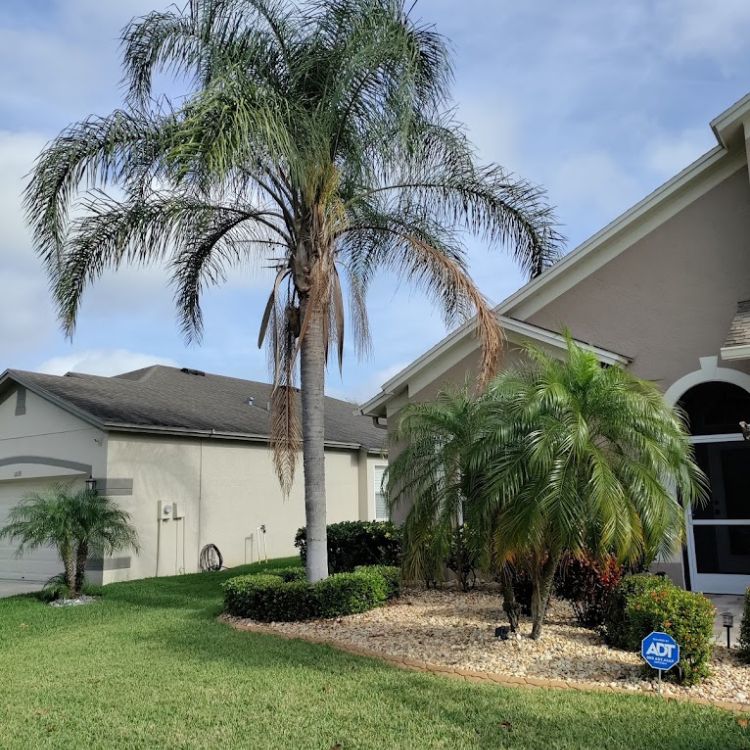
If you see dead limbs, branches rubbing or crossing, heavy canopy over roofs or driveways, or signs of decay (like cracks, mushrooms, or loose bark), your trees likely need trimming before storms. Start by inspecting from the ground: look for hangers, broken spots, and weak branch angles. For safety, do not climb or cut large limbs yourself. A professional tree trimming and pruning plan can focus on crown thinning, crown reduction, and hazardous branch removal to reduce storm risk. If you are unsure, schedule a tree health assessment so a qualified arborist can recommend what to do and what to leave.
What to Check First
Begin with a careful walkaround from accessible areas around your home in Valrico, TX. You are looking for conditions that increase stress during high winds, not just cosmetic issues. If a branch would likely fall onto a roofline, fence, shed, or driveway, that is a higher priority than a branch that only impacts open space.
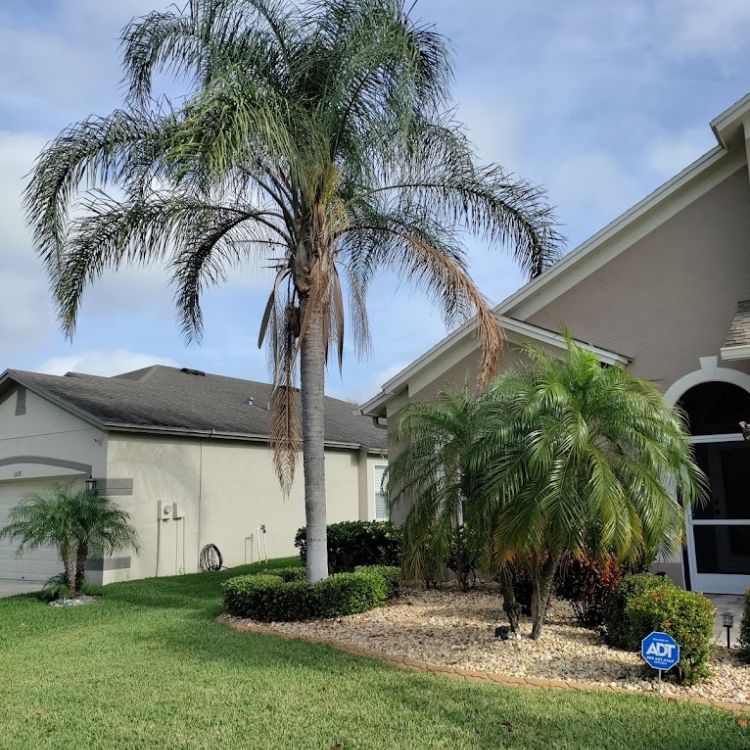
Professional observation: The most common “storm surprises” are usually the ones you can see from the ground: dead wood, cracks, and branches that are already stressed or misdirected.
Use these quick checks before you decide on trimming or pruning:
- Dead or brittle limbs: Look for branches that look dry, snap easily, or have no leaves during periods when the tree should be active.
- Cracks, splits, and loose bark: Any visible separation at branch unions can worsen under wind pressure.
- Crossing branches: Rubbing limbs can injure bark and create entry points for disease, which weakens the tree over time.
- Low-hanging growth: Limbs that reach near roofs, gutters, or driveways can be more likely to strike structures during storms.
- Unbalanced canopy: If one side of the tree is much heavier, wind load concentrates and the tree can sway more dramatically.
- Soil and root clues: Exposed roots, soil heaving, or a leaning tree can indicate instability that trimming alone may not fix.
Near structures
Focus on branches over roofs, patios, garages, and fences. Reducing the risk of impact is often the first goal.
Over driveways
Branches above vehicles and entry routes should be evaluated for hazardous limb removal and safe clearances.
At branch unions
Inspect where limbs meet the trunk. Tight angles and weak attachments are common problem points.
Main Things Customers Should Understand
Trimming before storms is not just “cutting back.” A good plan accounts for how the tree grows, where the weak points are, and what type of pruning supports both safety and tree health. In residential and commercial tree service work around Valrico, TX, we often see trees that need more targeted tree pruning rather than aggressive tree cutting.
Here are the main factors that influence what should be trimmed and how:
- Crown thinning vs. crown reduction: Crown thinning removes select branches to reduce density and improve wind movement. Crown reduction shortens branches to lower weight and reach, especially when limbs extend toward structures.
- Dead tree removal: Removing dead wood reduces the chance of brittle limbs breaking and falling during storms.
- Tree shaping and direction: Tree shaping and selective cuts can encourage a healthier growth pattern and reduce future risk.
- Tree disease treatment and pest pressure: If you spot signs of decay or pests, pruning may be only part of the solution. A tree health assessment helps determine whether tree disease treatment or tree pest control considerations apply.
- Clearances around utilities and roofs: Branches near power lines or critical roof edges require extra caution and the right approach.
- Soil and stability limits: If the tree is leaning or unstable, trimming alone may not address hazard. In those cases, you may need broader options such as storm-damage planning or tree removal evaluation.
Practical recommendation: If you are seeing multiple warning signs at once, bundle the work into a single trimming and pruning plan. That is usually more efficient than trying to “fix” one limb at a time while the rest of the crown stays heavy.
| What you notice | Why it matters in storms | Typical next step |
|---|---|---|
| Dead or brittle limbs | Deadwood is more likely to snap under wind load | Dead tree removal and hazardous branch removal |
| Branches crossing and rubbing | Wounds can weaken structure and increase break points | Selective pruning and crown thinning |
| Heavy canopy over roofs or driveways | Weight and reach increase the chance of impact | Crown reduction and clearance-focused trimming |
| Cracks or loose bark at unions | Existing separation can worsen quickly in high winds | Tree health assessment and targeted cuts |
| Exposed roots or visible lean | Stability issues may not be solved by pruning alone | Professional evaluation of hazard and options |
Want a trimming plan that fits your trees?
Timber Kings Tree Service can help you identify the specific branches to prune for safer structure and better tree health around Valrico, TX.
Request tree trimming guidanceWhy this matters in Valrico, TX
In Valrico, TX and the surrounding areas, storms can bring sudden wind gusts that stress trees already weakened by overgrowth, disease, or prior damage. Many yards here include mature shade trees, landscaping near driveways, and older properties where branches may have grown toward roofs and gutters over the years.
One firsthand-style pattern we see during seasonal planning is this: homeowners often notice “a problem tree” only after something breaks. By then, the crown is already compromised. Earlier trimming that focuses on crown thinning, crown reduction, and dead tree removal can help reduce the number of weak points that fail during storms.
Another local reality is how cluttered crowns can become in busy yards. When branches tangle with neighboring growth, it can increase rubbing and create dense pockets that do not move easily in wind. That is why tree pruning needs to be selective, not just “shorten everything.”
Common Mistakes to Avoid
It is easy to underestimate how quickly a tree can shift during a storm. These are common homeowner mistakes that can make the hazard worse or create new problems.
Common mistakes we see: cutting the wrong limbs, leaving deadwood in place, and skipping a full look at the tree’s overall structure.
- Only trimming what looks messy: Cosmetic pruning can ignore structural weak points like deadwood, cracks, and poor unions.
- Over-cutting for “instant safety”: Removing too much canopy can stress the tree and may not improve stability.
- DIY cutting of large limbs: Cutting heavy branches without proper rigging can create unpredictable drops and property damage.
- Forgetting the rest of the property: If one tree is heavy but another has crossed branches or deadwood, the combined risk is higher than each issue alone.
- Waiting until after storm damage: After a storm, branches may be partially detached but still hanging. That is when hazards can multiply.
If you do have storm damage already, it helps to address fallen tree removal and cleanup quickly so it does not create ongoing hazards. For that situation, you can review storm damage services from Timber Kings Tree Service.
Customer Checklist
Use this checklist to decide what to prioritize on your property in Valrico, TX before storm season ramps up.
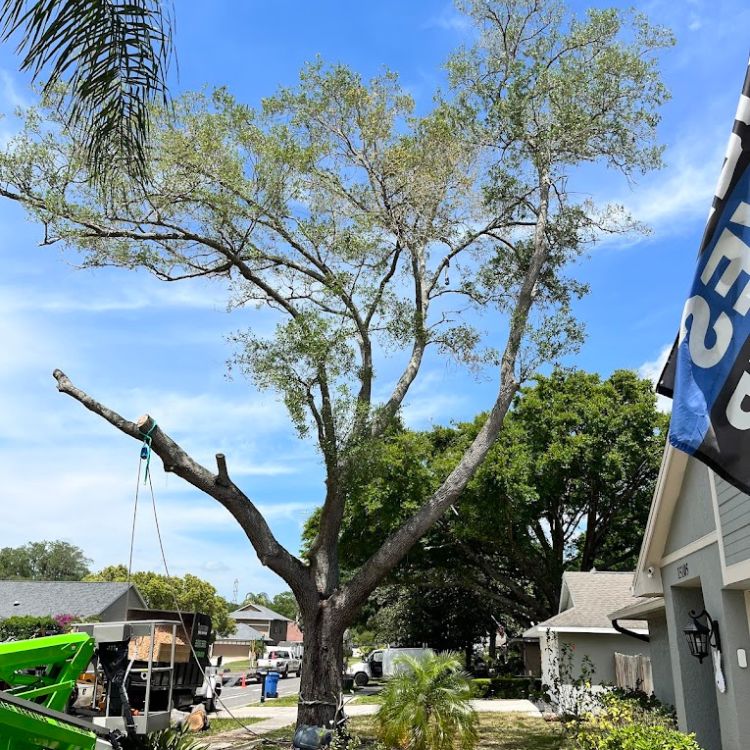
- Identify dead or brittle limbs you can see from the ground
- Look for cracks, splits, or loose bark at the trunk and branch unions
- Note branches that rub, cross, or tangle with other limbs
- Check for low-hanging limbs over roofs, gutters, fences, or driveways
- Assess canopy balance, especially if one side looks heavier
- Watch for signs of decay or disease, such as unusual growths or damaged bark
- Decide whether you need crown thinning, crown reduction, or dead tree removal
- Plan cleanup for what gets removed, including wood and debris management
Representative Scenario
A homeowner in Valrico, TX noticed a large limb over the driveway that had started to hang lower each year. From the ground, they also saw a few crossing branches and one section of bark that looked separated near the main union. Instead of just “cutting back the limb that was in the way,” they requested an arborist-style tree health assessment. The plan focused on selective pruning for crown thinning and crown reduction, along with deadwood removal to reduce brittle break points. The result was a safer clearance around the driveway and a cleaner overall crown shape that supported better wind movement.
Frequently Asked Questions
How can I tell if pruning will help with storm risk?
You can start by looking for high-risk conditions from the ground: dead limbs, visible cracks or splits at branch unions, crossing branches that rub and injure bark, and heavy canopy over roofs or driveways. These factors increase stress during high winds and can create new break points. Pruning that targets crown thinning or crown reduction focuses on reducing density and reach, not just shortening branches. If you are unsure, a tree health assessment helps confirm whether trimming addresses the hazard or whether additional options are needed.
Is tree trimming the same as tree pruning?
They are closely related. In everyday conversation, “tree trimming” often refers to the work of removing selected limbs to improve clearance, shape, and safety. “Tree pruning” describes the selective cuts that support tree health and structure, such as crown thinning, crown reduction, and removing dead or hazardous wood. A reliable arborist approach matches the pruning type to the tree’s growth and the risks on your property. That is why the inspection and planning step matters before any cuts are made.
Should I trim now or wait until after a storm?
For most homeowners, trimming before storms is the better approach when you already see warning signs like deadwood, cracks, or low-hanging limbs near structures. After a storm, branches can be partially detached and still hanging, which increases hazard during cleanup. Pre-storm pruning reduces the number of weak points that can fail. If you already have fallen limbs, you may need a different scope of work such as fallen tree removal and cleanup, which Timber Kings Tree Service can help with through storm-damage services.
What if my tree needs more than trimming?
Sometimes the safest long-term fix is not pruning alone. For example, a tree with significant instability, severe decay, or extensive hazardous limb structure may require options such as tree removal evaluation. If the job includes removal of unwanted growth, you may also need related services like tree removal or stump grinding to finish the job and reduce ongoing maintenance. A professional assessment helps you understand which steps address the actual risk.
Do I need emergency tree service for storm hazards?
If a branch is actively threatening a structure, partially fallen across a driveway, or creating immediate danger, you may need urgent attention rather than scheduling routine trimming. The right next step depends on what is happening on your property and the level of risk. For situations that require prompt handling, you can review emergency tree service from Timber Kings Tree Service. For pre-storm prevention, the focus is on trimming and pruning that reduces hazard before it becomes an emergency.
Ready to reduce storm risk around your home?
Timber Kings Tree Service serves Valrico, TX and nearby areas with tree trimming, tree pruning, and tree care services built around safer structure and healthier growth.
(813) 701-0498
Timber Kings Tree Service
Timber Kings Tree Service provides tree trimming, tree pruning, and arborist services for residential and commercial properties in Valrico, TX and surrounding areas. If your property needs storm-focused tree care, hazardous branch attention, or cleanup support, our team helps you choose the next steps that match the risks we see on-site.
Learn more about related services like lot land clearing when your property needs broader cleanup beyond trimming.