Signs You Need Tree Removal Before Damage Spreads
If a tree near your home in Valrico has started to fail, the problem rarely stays small. This guide helps you recognize the warning signs of hazardous trees, understand when pruning is not enough, and know what to do next to reduce the risk of falling limbs, structural damage, and ongoing tree stress.
Last week, your neighbor’s big limb came down during a storm, and now you cannot stop noticing your own tree. Over the past few months, it has looked a little “off,” and you are wondering whether you can wait for it to improve or if you should act before it causes damage.
Tree removal is not always the first step. But when certain hazards show up, leaving the tree alone can allow internal decay to expand, increase the chance of sudden breakage, and create more cleanup work later. This guide will help you spot the signs that removal may be the safer choice, what to check first, and how to plan the next steps with a professional.
- Quick answer
- What to check first
- Main things customers should understand
- Why this matters in Valrico, TX
- Common mistakes to avoid
- Customer checklist
- Frequently asked questions
Quick Answer
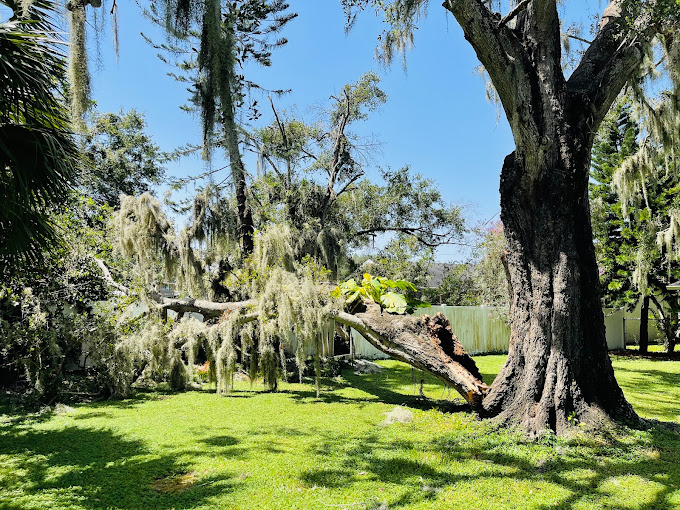
If you notice major cracks, heavy deadwood, mushrooms or rot near the base, leaning that is getting worse, or repeated storm breakage, the safer move is to get a tree health assessment and hazard evaluation. In many cases, tree pruning or tree trimming can reduce risk, but damaged structure and internal decay often require tree removal to prevent additional failures. A practical recommendation is to document what you are seeing and schedule an on-site inspection so the decision is based on the tree’s condition, not guesswork. Timber Kings Tree Service can help you determine whether removal, pruning, or another tree care service is the right next step.
What to Check First
Start with what you can observe safely from the ground. You are looking for indicators that the tree’s structure or health is already compromised. If you see multiple red flags, treat it like a priority and avoid waiting for the “next” storm to prove the risk.

Look for structural failure cues
Check for cracks in the trunk, split limbs, unusual bends, or bark that looks loose. Pay attention to areas where branches meet the trunk, since weak attachment points can fail suddenly.
Check for deadwood and thinning
Spot branches with no leaves, brittle twigs, or large sections that look dead compared to the rest of the canopy. Sudden thinning can also be a sign of stress or disease.
Inspect the base and soil line
From a safe distance, watch for mushrooms, cavities, fungus growth, or exposed roots. These can suggest ongoing decay that removal may need to address.
Main Things Customers Should Understand
When tree removal becomes necessary, it is usually because the risk is no longer limited to one branch. Hazards can spread through the tree’s structure, and what seems like “just one limb” can be connected to larger internal problems. Here are the most common reasons professionals recommend removal before damage spreads.
Professional observation: If you are seeing repeating breakage, worsening leaning, or obvious decay indicators, the tree’s internal stability may be declining even if the canopy still looks partly normal.
1) Internal decay that pruning cannot fix
Tree disease treatment and targeted pruning can help some issues, but internal rot often continues underneath bark and within the trunk. If decay is present where limbs attach, pruning may reduce the weight above the problem without removing the failing structure itself. That is when removal can be the safer long-term solution.
2) Dead or dying branches near high-traffic areas
Dead tree removal is not only about looks. Deadwood can drop without warning, especially after wind events. If the tree overhangs driveways, walkways, patios, fences, or roofs, the risk to people and property is higher. Removing the hazard before it falls can prevent costly cleanup and structural impact.
3) Hazardous leaning, splits, or compromised attachments
Leaning that increases over time, trunk splits, or limbs with bark inclusions are common precursors to failure. Crown reduction or crown thinning may reduce stress in some situations, but when the attachment is compromised, cutting alone can make the failure more abrupt. A proper hazard evaluation helps determine whether the safest path is removal or selective cutting.
4) Storm damage that is not “contained”
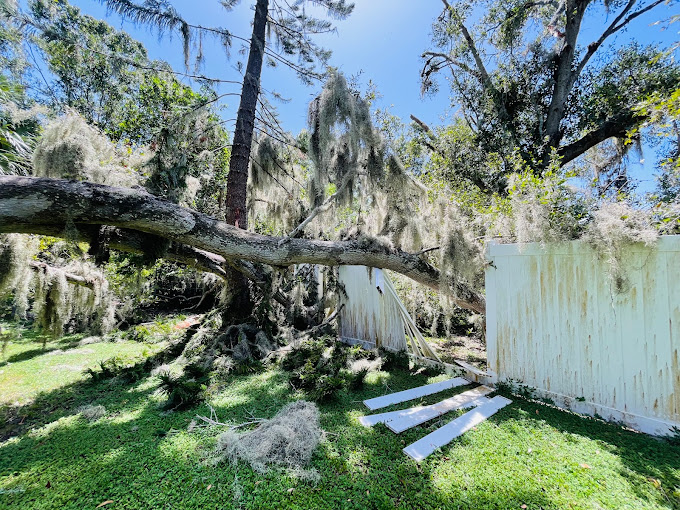
After a storm, you may see broken limbs, torn bark, or dangling branches. Sometimes a tree cutting plan can stabilize the tree. Other times, the storm has revealed hidden weakness. If you have storm damage and the tree is still unstable, addressing it sooner can help prevent secondary failures.
| What you notice | Why it matters | Typical next step |
|---|---|---|
| Cracks or trunk splitting | Cracks can indicate compromised strength and changing load paths during wind. | Hazard assessment, often removal if structural stability is failing. |
| Large deadwood sections | Dead branches can drop unexpectedly, especially after storms. | Dead tree removal and risk-focused pruning or complete removal. |
| Mushrooms or rot at the base | Fungus growth can align with decay that weakens the trunk internally. | Tree health assessment and removal if the compromised area is load-bearing. |
| Recurrent storm breakage | Repeated failures suggest ongoing weakness, not a one-time event. | Evaluate for removal versus targeted tree trimming. |
| Leaning that worsens | Progressive movement often means root or structural instability. | Removal may be recommended to reduce the risk of failure. |
Customer-focused tip: If the tree is near structures, utility lines, or frequently used areas, waiting usually increases the chance of property damage. A timely evaluation can help you avoid turning a manageable issue into a cleanup problem.
Why This Matters in Valrico, TX
In Valrico, TX, storms and high winds can expose weakness in trees that already have hidden internal problems. Many homes and properties in the area include established residential tree lines along driveways, backyard edges, and near rooflines. When a tree is stressed by disease, pests, or prior damage, it may look “mostly okay” until wind or impact events create the final failure point. That is why a local, on-site tree health assessment is often the difference between a controlled removal and a rushed response after breakage.
Local service connection: If you are also dealing with storm-affected limbs or debris, see storm damage cleanup and tree repair planning so your property is safer and easier to manage afterward.
Need a hazard check for a tree that is looking worse?
Timber Kings Tree Service can help you sort out whether you need tree removal, tree trimming, or stump grinding after cleanup.
(813) 701-0498Common Mistakes to Avoid
Homeowners often try to solve tree risk issues with partial steps or DIY cutting. Those choices can make failure more likely or create new hazards. Here are the most common mistakes we see around tree removal decisions.
Professional observation: A tree can look “fine” from one angle. Hazards are often hidden at attachment points, inside the canopy, or where decay starts near the trunk and roots.
1) Waiting because the tree “hasn’t fallen yet”
Risk does not wait politely. If you see cracks, progressive leaning, deadwood, or decay signs, the next wind event can be the one that causes the failure.
2) Using pruning to compensate for a failing structure
When internal decay or compromised attachments are the main issue, pruning may reduce some weight but not eliminate the structural problem. That can lead to repeated breakage until removal is done.
3) Ignoring root and base indicators
Mushrooms, cavities, exposed roots, and soil disturbance are clues. Cutting around the canopy does not address a weak foundation.
4) Treating stump removal as a “later” problem
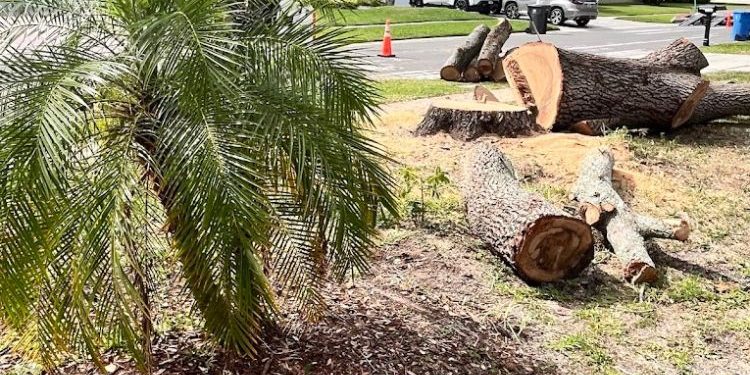
After a removal, stumps can interfere with mowing, landscaping, and future yard work. They can also create trip hazards. If you want a cleaner, safer property surface, plan stump grinding as part of the overall tree care plan.
Customer Checklist
Use this checklist to organize what you have observed and what you need to decide next. It is also helpful to share with your tree service professional so they can focus the inspection.
- Document the problem: Note when you first saw cracking, leaning, thinning, or deadwood.
- Check high-risk areas: Identify where falling limbs would land (rooflines, driveways, fences, walkways).
- Look for decay indicators: Watch for mushrooms, cavities, or unusual fungus near the base.
- Assess storm history: Remember any recent storm damage, broken limbs, or repeated failures.
- Decide on next steps: Ask whether tree pruning, crown reduction, crown thinning, or tree removal is the safer path.
- Plan aftercare: Consider cleanup needs and whether stump grinding is required for a safer yard.
Representative scenario: what this looks like on a real property
A homeowner in Valrico notices a large limb that looks lighter than the rest of the canopy. After a wind event, the limb breaks partially and leaves a torn attachment. Over the next few weeks, more twigs die off in the same section, and the trunk shows a new crack near where the limb connects. Because the damage points to structural weakness, pruning alone would not address the compromised attachment and possible internal decay. In this situation, a professional hazard evaluation typically leads to tree removal to prevent further limb failure, followed by cleanup and stump grinding for a safer, more usable yard.
Prefer to address the issue before it becomes damage?
If you are weighing tree removal near you and want a clear, practical plan for your property, contact Timber Kings Tree Service.
Learn about tree removalFrequently Asked Questions
These are common questions homeowners ask when they suspect a tree needs removal rather than routine tree trimming.
How do I tell if I need tree removal or just tree pruning?
Pruning can be the right choice when the tree’s main structure is stable and the issue is limited to specific branches, shaping needs, or clearance. Removal is more likely when you see structural cracks, progressive leaning, heavy deadwood, or decay indicators near the trunk or roots. The most practical approach is an on-site tree health assessment so the decision accounts for attachment strength, internal condition, and where the tree sits relative to your home.
What signs of disease or pests mean I should act sooner?
Act sooner when you notice sudden thinning, worsening dieback, repeated limb failures, or visible decay cues at the base such as fungus growth. Pest issues can also weaken a tree over time, especially if combined with drought stress or prior storm damage. If you suspect tree disease or tree pest control needs, schedule an evaluation instead of waiting for the canopy to fully decline.
Can crown reduction or crown thinning prevent a tree from becoming hazardous?
Sometimes. Crown reduction or crown thinning can reduce weight and improve clearance, which may lower stress on branches. But these techniques do not correct compromised structure if the problem is internal decay, failed attachments, or unstable leaning. A professional assessment helps confirm whether the tree’s main stability is sound enough for pruning or whether tree removal is the safer risk-reduction step.
What should I do right after storm damage?
Keep people away from the area and avoid walking under damaged limbs. Look for hanging branches, new cracks, or additional loosened sections. If the tree is still partially intact but looks unstable, do not attempt DIY tree cutting. Instead, coordinate storm damage cleanup planning so hazards are addressed safely, and then decide whether removal, pruning, or stump grinding is needed for long-term property safety.
Do I also need stump removal after tree removal?
Often, yes. Stumps can become trip hazards and can interfere with mowing, landscaping, and future yard work. If you want smoother ground and a cleaner property, stump grinding is commonly used to remove the bulk of the stump below the surface. Planning stump grinding soon after removal can help prevent the area from turning into an ongoing maintenance problem.
Timber Kings Tree Service
Timber Kings Tree Service provides tree care services for homeowners and businesses in Valrico, TX and surrounding areas. Our work includes tree removal, tree trimming, stump grinding, storm damage support, and lot land clearing so properties can look better and feel safer. If you are dealing with dead tree removal, hazardous tree removal, or land clearing services, we focus on practical next steps based on the condition of your trees and your property layout.
Ready to get a clear plan for your tree?
If you are seeing warning signs and want a professional, property-aware recommendation, reach out to Timber Kings Tree Service for help in Valrico, TX.
(813) 701-0498Related services that may fit your situation: