Emergency Tree Service for Fallen Trees and Power Lines
When a tree falls in your yard or leans toward nearby power lines, the priority is safety and getting the right help to remove the hazard without causing more damage.
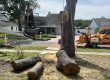
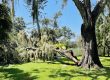
After a storm hits Valrico, TX, you may notice a tree down across a driveway, branches wrapped around fencing, or limbs hanging where they should not be. Even if it “looks stable,” the weight can shift, and hidden damage can make the situation worse when people try to move debris.
This guide will help you understand what to check first, what usually needs professional attention, and how to plan the next steps for safe fallen tree removal, tree cutting, and follow-up care. You will also get a simple customer checklist you can use while you wait for help.
- Quick answer
- What to check first
- Main considerations for emergency tree work
- Why this matters in Valrico, TX
- Common mistakes to avoid
- Customer checklist
- Frequently asked questions
Quick Answer
If a tree is down, leaning, or touching power lines, treat it as hazardous and keep people and pets away. Call Timber Kings Tree Service to assess the situation and plan safe fallen tree removal and tree cutting. For anything involving power lines, do not attempt to move branches or use tools. Instead, secure the area, avoid contact with metal or wet ground near the tree, and let the proper crews handle the risk. After the immediate hazard is addressed, a tree health assessment can help determine whether additional tree pruning, stump removal, or storm damage cleanup is needed.
What to Check First
The first few minutes are about safety and information. Walk your property only from a distance and look for clear danger signs: contact with or close proximity to power lines, trees that are still shifting, and branches pinning objects like cars, sheds, or fences. If you see any electrical risk, do not touch the tree, the debris, or anything that looks connected to it.

Next, note what is affected so you can describe it accurately: the general location (front yard, backyard, driveway), whether the tree is fully fallen or partially suspended, and what it is resting on. This helps an arborist services team plan the right approach for tree removal near me work, broken-limb handling, and debris management in the Valrico area.
Professional observation: In emergency situations, the “obvious” problem is often only part of the hazard. Roots can be compromised, and a tree that looks calm can move when additional weight is applied. That is why a cautious assessment comes before cutting.
Main Considerations for Emergency Tree Work
Emergency tree service is not just about removing what is on the ground. The goal is to eliminate the immediate hazard while minimizing impacts to structures, landscaping, and the remaining tree canopy. In practice, that usually means combining safe tree cutting techniques with careful staging of equipment and debris removal.
Fallen tree removal planning
Assess where the tree is resting, how it is braced, and what could shift during removal. This informs the sequence of cuts and where branches should be lowered.
Storm damage cleanup
After the hazard is cleared, limbs and scattered debris often remain. Storm damage cleanup helps restore safe access and reduces ongoing risk from weak branches.
Aftercare for trees and stumps
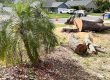
If the tree is removed, homeowners may still need stump removal or stump grinding for mowing, landscaping, and long-term yard usability.
| Situation you notice | What it typically means | Common next step |
|---|---|---|
| Tree is down across a driveway or walkway | Access may be blocked and debris may shift | Fallen tree removal with controlled tree cutting |
| Branches are hanging or tangled near structures | Cutting without a plan can cause secondary damage | Emergency removal staging and careful limb lowering |
| Tree is partially uprooted | Roots may be compromised and the tree can lean further | Assessment before any attempt to move it |
| Stump remains after removal | Future tripping hazards and landscaping limitations | Stump grinding or stump removal |
| Debris spread after a storm | Additional weak limbs may remain aloft | Tree pruning and storm damage cleanup |
Why This Matters in Valrico, TX
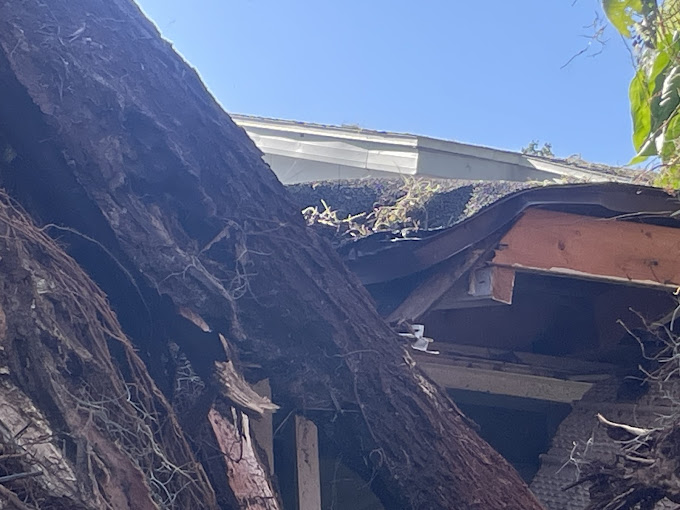
In Valrico, TX and the surrounding areas, storms can leave trees with broken limbs, partially uprooted trunks, and debris scattered across residential properties. Many yards feature mature shade trees, established landscaping, and driveways lined with fencing or hardscape, which means a fallen tree can create hazards beyond just the branches themselves. Keeping people away and addressing the risk in the correct order helps reduce the chance of additional property damage.
One firsthand-style pattern we see after storms: the first cut is rarely the hardest part. The real challenge is managing tension and weight distribution while protecting nearby areas. That is why a professional approach matters when the tree is still under load, when limbs are caught between objects, or when the remaining canopy needs careful tree pruning afterward to reduce future breakage. If your property also needs cleanup beyond the immediate downed tree, Timber Kings Tree Service supports storm damage work alongside other tree care services.
Need help with fallen tree removal or storm cleanup?
Describe what you are seeing, and Timber Kings Tree Service can help plan the safest next step for your property in Valrico.
Contact Timber Kings Tree ServiceCommon Mistakes to Avoid
Homeowners usually act with good intentions, but a few common decisions can make an emergency worse. First, many people try to pull branches off fences or move debris to “clear the path.” If the tree is under tension, that movement can snap limbs unexpectedly or cause the trunk to shift.
Second, do not assume that “no sparks” means there is no electrical risk. Trees can contact power lines intermittently, and wet conditions can increase danger. Third, avoid cutting near the base of a tree that is partially uprooted or leaning, because the tree can roll or fall in an uncontrolled direction. Finally, after the visible hazard is gone, homeowners sometimes skip follow-up care. Broken or weakened limbs can remain a future hazard, and a tree trimming plan can help restore safer structure.
Practical recommendation: If you can safely do so from a distance, take a few notes about where the tree fell and what it is touching. Then keep the area clear and let a tree care team handle removal and pruning with the right sequence.
Customer Checklist
Use this quick checklist while you wait for an emergency tree service response. It helps you communicate clearly and reduces risk on site.
- Keep people and pets away from the fallen tree area, especially around branches and debris.
- Do not touch the tree, branches, or anything that appears connected to power lines or metal fencing.
- Stay clear of wet ground near the hazard and avoid standing under hanging limbs.
- Identify the location: driveway, front yard, backyard, or near a shed or fence.
- Note whether the tree is fully down, partially suspended, or partially uprooted.
- After removal, decide on next steps such as stump grinding or additional pruning based on what remains.
Representative scenario: what a typical emergency looks like
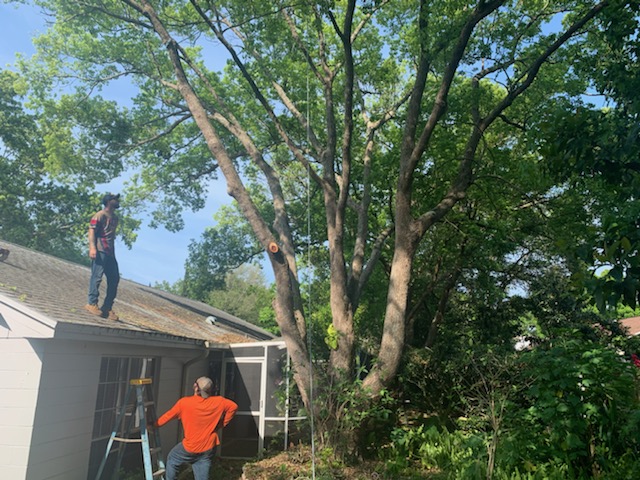
Imagine a storm morning in Valrico, TX. A mature oak in the back yard drops across a narrow side walkway, with smaller limbs tangled along a fence line. From the house, it looks mostly “contained,” but the trunk is still sitting in a way that suggests it could shift if branches are pulled or cut without a removal plan. In this situation, Timber Kings Tree Service would assess the load points, plan controlled tree cutting, and remove sections in a sequence that reduces secondary damage. Once the hazard is cleared, the team can also address storm damage cleanup and advise whether additional tree pruning is needed to protect the remaining structure.
Frequently Asked Questions
What should I do first if a tree is down near power lines?
Start by keeping everyone away and avoid touching the tree, branches, or nearby metal objects. Do not try to pull limbs off fences or attempt to cut anything while there is a possibility of electrical contact. From a safe distance, note where the tree is located and whether it appears to touch or hang near lines. Then contact Timber Kings Tree Service so the situation can be assessed safely and handled with the right removal approach. If electrical risk is present, letting the proper crews manage the hazard is the safest path.
How is emergency tree service different from regular tree removal?
Emergency work focuses on hazard removal and preventing secondary damage. A fallen tree can be under tension, partially braced, or rooted in a way that makes it unstable. That changes the cutting sequence, equipment staging, and how debris is handled. Regular tree removal often involves planned access and predictable conditions. With emergency tree service, the team may need to stabilize the situation first, clear the area safely, and then complete follow-up tasks like storm damage cleanup or pruning to reduce future breakage risk.
Do I need stump removal after a tree is taken down?
Not every homeowner needs the same outcome, but stumps can create practical problems. They can interfere with mowing, landscaping plans, and safe yard access. Some stumps also become trip hazards or attract unwanted growth over time. If you want a smoother yard surface, stump grinding or stump removal may be the best follow-up step. Timber Kings Tree Service can help you decide based on what remains on your property after the fallen tree removal is complete.
Will tree trimming help if my tree was damaged in a storm?
Sometimes yes. Storms can break branches, tear limbs, or weaken the structure of a tree without completely removing it. Tree trimming and targeted pruning can remove compromised sections and help restore a safer shape. The goal is to reduce the chance of additional limb failure during future weather. If the tree is still sound and only certain limbs are affected, pruning can be a practical next step after the immediate hazard is cleared. A professional assessment helps confirm what should be removed versus what can remain.
Can storm debris cleanup include more than the downed tree?
Often it does. After a storm, you may have broken limbs scattered across the yard, branches caught in trees, and debris spread near fences or landscaping. Storm damage cleanup typically aims to clear hazards and restore safe access, not just remove the largest piece. Depending on what is present on your property, the work may include additional tree cutting, brush clearing, and follow-up pruning. If you want help planning the full cleanup, you can review Timber Kings Tree Service’s storm damage service details.
Call Timber Kings Tree Service for emergency tree help in Valrico
For fallen trees, hazardous limbs, and storm cleanup, you can reach Timber Kings Tree Service by phone or through the emergency tree service page.
Timber Kings Tree Service
Timber Kings Tree Service provides tree care services for homeowners and property managers in Valrico, TX and surrounding areas. From emergency tree service for fallen trees and storm damage to tree trimming, stump grinding, and lot land clearing, the team focuses on safe, practical removal and cleanup so your property is safer after severe weather.
Explore related services like tree removal and lot land clearing when your property needs more than just the initial hazard handled.