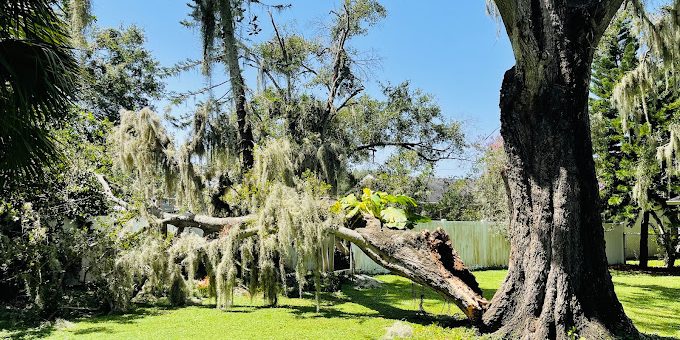
How Often Should You Schedule Tree Removal Services?
If you are noticing dead branches, leaning trees, or damage after storms around Valrico, TX, you are not alone. This guide helps you decide how frequently to schedule tree removal, what to look for between visits, and when tree trimming, stump grinding, or storm cleanup is the better first step.
After a heavy rain or high wind, it is common to look out and wonder if that tree is still safe. Maybe you see a broken limb hanging overhead, roots lifting a section of walkway, or a trunk that suddenly looks more tilted than last season.
Many homeowners delay tree removal because they assume it is only needed when a tree fully falls. In reality, scheduling is about timing and risk. This guide explains how often to plan for tree removal services, how tree health checks fit into a yearly routine, and what signs mean you should act sooner rather than later.
- Quick answer
- What to check first
- Main things customers should understand
- Why this matters in Valrico, TX
- Common mistakes to avoid
- Customer checklist
- Frequently asked questions
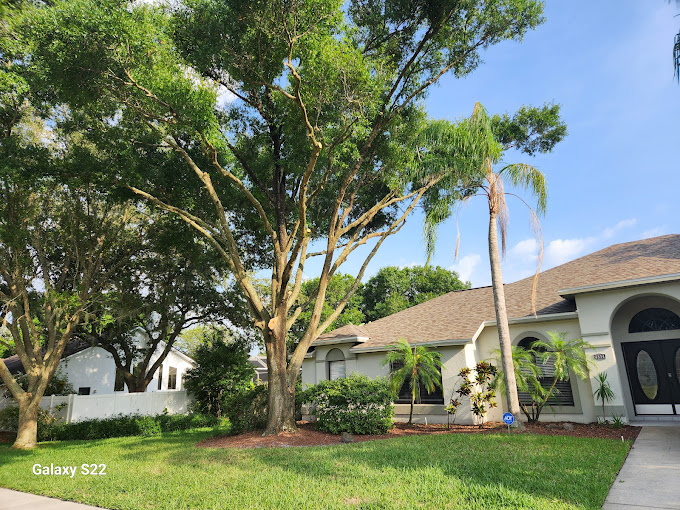
Quick Answer
Most homeowners do not need tree removal on a strict calendar. Instead, plan inspections and act based on conditions. A practical routine is to schedule an arborist-style tree health assessment at least once per year, and sooner if you notice dead limbs, cracks, fungus, heavy leaning, or repeated storm damage. If the tree is hazardous, removal is typically scheduled as soon as it can be safely performed. If the tree is healthy but overgrown, tree trimming or tree pruning may solve the issue without removal.
What to Check First
Before you decide on removal, start with a simple, safety-first scan. Look for dead tree removal indicators like brittle branches, missing bark patches, or areas where the tree looks “hollow” or unusually soft. Check the base for lifting roots, soil gaps, or mushrooms growing near the trunk. Then look upward for broken limbs, rubbing branches, and canopy thinning that can point to tree stress.
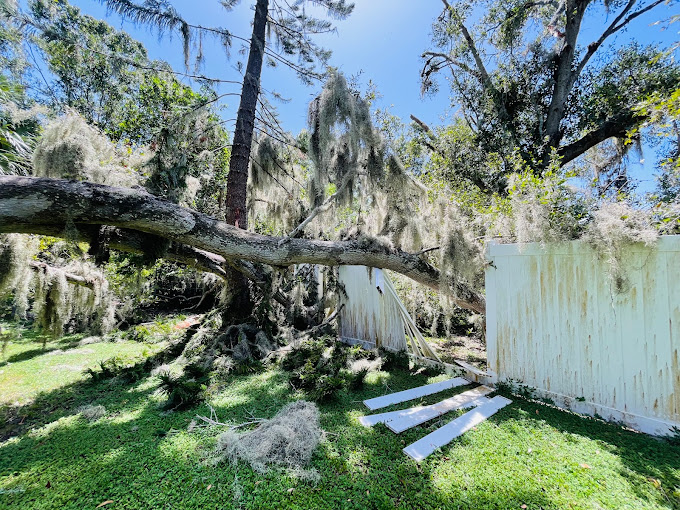
Signs removal may be needed
Dead tree sections, major cracks, strong lean, and frequent fallen limbs after wind.
Signs trimming may be enough
Overgrowth near structures, blocked sight lines, or limbs that need crown thinning.
Signs you may need other services
After a cut, stump grinding and stump removal help prevent regrowth and trip hazards.
Main things customers should understand
Scheduling tree removal is really about managing risk over time. Trees change. Weather, growth, and hidden decay can all shift safety from “fine for now” to “problem soon.” Here are the factors that usually determine how often you should schedule tree removal services around Valrico, TX.
Professional observation: If you are seeing repeated damage year after year, the schedule should be driven by what the tree is doing, not by what you hope it will stop doing. A tree that keeps shedding hazardous limbs often needs an earlier plan for hazardous tree removal or a safer alternative like targeted tree trimming.
1) Tree health and structural risk
Dead tree removal is usually not a “someday” project. When you see dead branches that remain brittle or fall during normal wind, it is a signal that the tree is losing stability. Cracks, peeling bark, or fungal growth near the trunk and major limbs can also indicate a need for a closer look.
2) How close the tree is to people and property
Even a moderately healthy tree can become a safety concern if it is over a driveway, a fence line, a roof edge, or a frequently used walkway. If the tree cutting area is tight or branches routinely reach power lines or structures, scheduling sooner helps reduce disruption and improves access for the crew.
3) Local seasonal patterns and storm exposure
In Valrico, TX, storms can turn a “minor” limb issue into a bigger one. If your property has mature trees that catch wind, you may want more frequent checks during storm seasons, especially after weather events. When storms cause broken limbs or fallen tree removal needs, you may shift from routine care to storm damage response and cleanup planning.
4) Whether trimming can reduce the hazard
Crown reduction or crown thinning can sometimes lower wind resistance and remove weak or damaged sections. In those cases, you may not need full removal as often. If the goal is to improve tree health and shape, you may start with tree trimming or tree pruning and reassess after the next growth cycle.
| What you are seeing | Most likely next step | How it affects scheduling |
|---|---|---|
| Dead or hanging limbs | Dead tree removal evaluation | Schedule sooner than later, especially if limbs fall during typical wind. |
| Overgrowth near structures | Tree trimming or tree pruning | Often handled on a planned cycle, then reassessed after growth. |
| Stump remaining after prior cuts | Stump grinding / stump removal | Plan soon after tree removal to reduce trip hazards and regrowth risk. |
| Damage after storms | Storm damage cleanup | Timing depends on debris safety and access. Plan for follow-up checks after repairs. |
| Clearing for a new build or usable yard | Lot land clearing | Schedule around project milestones and surface accessibility. |
Why this matters in Valrico, TX
In Valrico, TX, many neighborhoods have established residential tree canopy and older yard layouts where trees are already close to homes, fences, and driveways. That makes timing more practical: you want work scheduled when access is easiest and when you can remove hazardous sections before they cause additional property damage. It also explains why a yearly tree health assessment often beats waiting for the first big problem.
One firsthand-style pattern we see is this: a homeowner notices a “small” broken limb after a storm, then a second limb fails a few weeks later. The first break is sometimes the symptom, not the whole cause. When that happens, the right move is to schedule an inspection and decide whether tree pruning can address the issue or whether hazardous tree removal is the safer long-term plan.
Need help deciding between tree removal and trimming?
If you are weighing tree removal near me versus tree trimming near me, Timber Kings Tree Service can help you sort out what is truly hazardous and what can be improved with pruning or crown thinning.
Contact Timber Kings Tree ServiceCommon mistakes to avoid
Scheduling decisions often go wrong when homeowners treat tree removal like a one-time fix instead of part of ongoing tree care services. Avoid these common missteps so you do not end up paying twice in time, mess, or risk.

- Waiting for a full fall when you already see dead tree removal warning signs.
- Assuming trimming is the same as safety if the main trunk or major limbs show cracks, decay, or major lean.
- Ignoring recurring storm damage and treating each event as separate instead of addressing the underlying hazard.
- Forgetting the stump after removal, which is often where stump grinding near me becomes necessary for safety and clean yard use.
- Choosing clearing without planning if you are also doing lot land clearing for a new layout, driveway, or landscaping changes.
Customer Checklist
Use this checklist to plan your next appointment and to communicate clearly with your tree service provider. It helps you decide how often to schedule tree removal and what to ask for during your consultation.
Quick pre-call checklist: Write down what you have noticed, when it started, and how often it happens. Mention any storm dates, fallen limbs, or changes in canopy density.
- Tree location: Is it over/near a driveway, walkway, fence, roof edge, or outbuilding?
- Recent changes: Any new cracks, peeling bark, fungus, or dead branches?
- Storm history: Did you have repeated fallen tree removal needs or broken limbs after wind or rain?
- Ground and roots: Any lifted soil, gaps, or root exposure near the base?
- Access: Is there space for equipment, or are there tight areas that affect scheduling?
- Your goal: Are you trying to improve tree health, reduce shade, or complete brush clearing and land clearing services?
- Aftercare needs: If removal is needed, do you also want stump grinding or stump removal planned?
Representative scenario: what scheduling looks like
A Valrico homeowner notices a dead limb that breaks during a wind event and lands near a side gate. Over the next month, another smaller limb drops during ordinary breezes. Instead of waiting for more damage, they schedule an evaluation. After reviewing the tree’s structure and canopy, the team recommends hazardous tree removal for the failing sections, and also plans stump grinding afterward so the yard stays safe and usable. The homeowner leaves with a clear schedule for follow-up tree care services, rather than reacting after each storm.
Frequently Asked Questions
Below are practical questions homeowners in Valrico, TX commonly ask when deciding how often to schedule tree removal, tree cutting, and related services.
How often should I schedule tree removal services?
Most people do not schedule tree removal on a fixed calendar. A better approach is to schedule a tree health assessment at least once per year, then schedule removal sooner if you notice hazardous tree removal signs such as dead branches that drop, major cracks, fungus near the trunk, or a noticeable increase in lean. If storms repeatedly break limbs, that is also a reason to move up the timeline rather than waiting for the next event.
When should I choose tree trimming instead of full removal?
If the main structure of the tree is sound and the issue is mainly overgrowth, shading, or a few weak sections, tree trimming or tree pruning may be the right starting point. Options like crown thinning or crown reduction can reduce stress on branches and improve shape. However, trimming is not a substitute if the trunk or major limbs show signs of decay or serious instability. A proper evaluation helps determine which service fits the actual risk.
Do I need stump grinding after tree removal?
Often, yes. Once a tree is cut down, the remaining stump can create safety issues and can also interfere with landscaping, mowing, or future projects. Stump grinding and stump removal help clear the area and reduce the chance of ongoing problems from the stump itself. If you are planning lot land clearing or a new yard layout, it is usually easier to include stump grinding in the overall plan so the ground is ready for what comes next.
What is the difference between storm damage cleanup and emergency tree service?
Storm damage cleanup focuses on removing debris and addressing damage caused by a recent weather event. Emergency tree service is typically a safety-focused response when there is active risk, such as unstable branches or a fallen tree blocking access. If you have broken limbs overhead or areas that are unsafe to approach, it is smart to contact Timber Kings Tree Service so they can guide the next steps and determine the safest plan for your property in Valrico, TX.
Can you help with land clearing if I am removing trees for a project?
Yes. If you are planning brush clearing or land clearing services for a new build, driveway work, or a more usable yard, Timber Kings Tree Service can support with lot land clearing planning. The schedule depends on your project milestones and the accessibility of the site. Including tree cutting and stump grinding decisions early helps keep the clearing work aligned with how you want the property to function after the project.
Ready to make a safe, practical plan?
If you are unsure how often you should schedule tree removal in Valrico, TX, start with a focused evaluation. Timber Kings Tree Service can help you choose the right next step, whether that is tree trimming, stump grinding, storm damage cleanup, or lot land clearing.
(813) 701-0498About Timber Kings Tree Service
Timber Kings Tree Service provides tree care services for residential and commercial properties in Valrico, TX and surrounding areas. Our goal is to help homeowners and property managers make clear decisions about tree removal, tree trimming, stump grinding, storm damage, and lot land clearing. If you are trying to reduce risk, improve tree health, or clean up after weather, you can rely on practical guidance and service planning that fits your property and timeline.
Services to explore:
Need help with urgent risk planning? Emergency Tree Service is available to help you move forward safely.