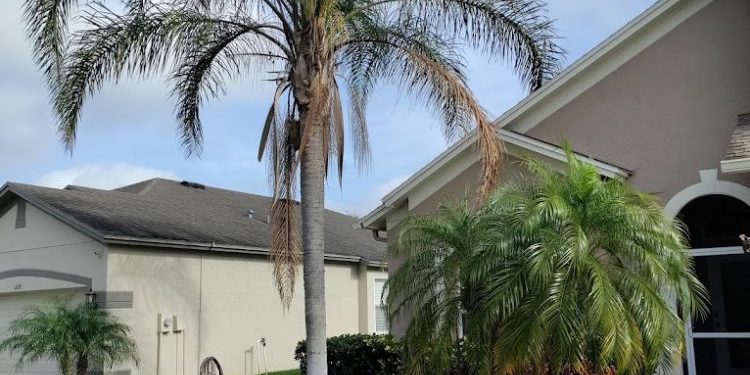
How Often Should You Schedule Tree Trimming Maintenance
If your trees in Valrico, TX are touching roofs, crowding power lines, or dropping leaves and branches at the wrong times, you are not alone. This guide helps you pick a practical trimming schedule based on tree type, growth rate, clearance needs, and seasonal conditions, so your yard looks good and stays safer.
Last spring, you might have noticed a few branches starting to overhang your driveway and scrape the edge of your roofline. By summer, the canopy looked thicker, and then a windy day left a small mess on the lawn. In Valrico, TX, that pattern is common because trees can grow fast, and storms can expose weak spots in crowns and limbs.
So how often should you schedule tree trimming maintenance, and what should you look for between visits? This article breaks down a homeowner-friendly approach to timing, plus what to check first, the mistakes that lead to unnecessary cutting, and when it makes sense to shift from trimming to pruning, tree cutting, or storm-focused services.
- Quick answer
- What to check first
- Main considerations
- Why this matters in Valrico, TX
- Common mistakes to avoid
- Customer checklist
- Frequently asked questions
Quick Answer
For most residential properties in Valrico, TX, scheduling tree trimming about once every 12 to 24 months is a good starting point, especially if you want to manage clearance around roofs, walkways, and fences. Fast-growing trees, heavy leaf drop, or limbs that are already encroaching often benefit from a closer interval. If you see dead branches, cracks, fungus, or repeated storm damage, don’t wait for the “next season.” Contact an arborist-style assessment so the trimming plan matches your tree’s health and risk level.
What to Check First
Before you set a calendar, do a quick walk-around and note the “why” behind trimming. The goal is not just a cleaner look. It is reducing hazards and improving long-term tree health. Start with the areas that create the most problems in Valrico, TX neighborhoods: roof edges, gutters, driveways, sidewalks, and any spot where branches could rub during wind.
Clearance hotspots
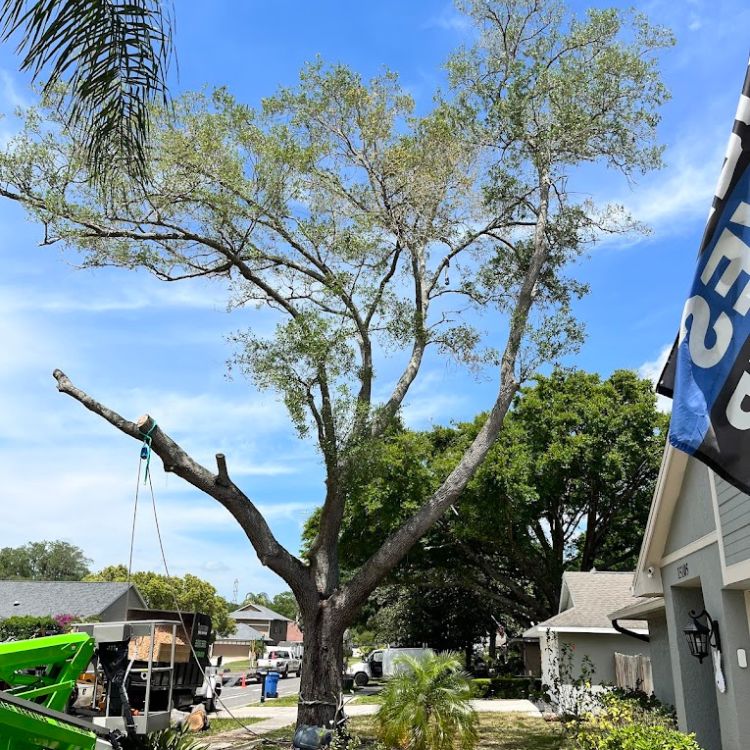
Look for limbs that touch or hang over structures, windows, or power-adjacent areas. If the tree is already contacting surfaces, maintenance is overdue.
Tree condition signals
Check for deadwood, hanging limbs, cracks in the trunk or main branches, and signs of decay such as soft areas or unusual growths.
Growth and shape
If the crown is getting denser and expanding outward each season, you may need more frequent pruning to keep the canopy balanced.
Main Things Customers Should Understand
Scheduling depends on more than “how tall the tree is.” Trimming frequency should reflect the tree’s growth habit, your clearance needs, and whether the tree is thriving or showing stress. In practice, we often see that the best schedule is the one that prevents problems from starting, rather than trying to fix them after branches become hazardous.
Professional observation: Many homeowners wait until branches scrape the roof or a storm leaves broken limbs. By then, the tree may already have stress in the crown, and trimming becomes more about hazard reduction than shaping.
| Property situation | What it usually means | How often to plan maintenance |
|---|---|---|
| Clearance is stable and the tree looks healthy | Growth is manageable and pruning can stay light and consistent | Every 12 to 24 months |
| Fast-growing species or rapidly expanding canopy | You may need more frequent “maintenance pruning” to avoid overgrowth | About every 12 months |
| Deadwood, cracks, or recurring branch breakage | Risk increases and trimming may need to focus on hazardous limbs | Based on inspection; earlier than the typical interval |
| Seasonal clutter (heavy leaf drop, brushy regrowth) | Regular trimming reduces mess and improves airflow in the crown | Typically every 12 to 18 months |
| Storm-damaged branches or broken limbs | Immediate attention helps reduce further failure and unsafe debris | After the event, following a safety assessment |
Pruning vs. trimming vs. tree cutting
Homeowners often use these terms interchangeably, but your schedule can change depending on what you actually need. Tree trimming is usually about maintaining shape and clearance. Tree removal is for trees that cannot be maintained safely. And when limbs are too large or positioned in a way that creates ongoing risk, tree cutting may be part of the plan.
Why “maintenance” matters for long-term health
Regular pruning can help keep the canopy balanced, remove deadwood, and encourage better airflow. That matters because stressed trees often respond poorly to large, infrequent cuts. In other words, smaller, planned maintenance visits usually fit better than waiting until the tree is overgrown.
Why This Matters in Valrico, TX
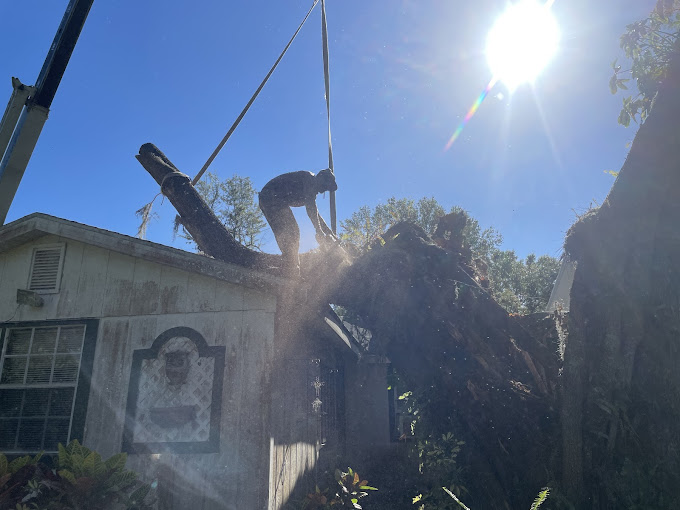
In Valrico, TX, the combination of warm growing seasons and occasional storm events means trees can shift from “fine” to “problematic” faster than many homeowners expect. After wind or heavy rain, you may see new cracks, loose limbs, or branches that suddenly start hanging lower. That is why maintenance scheduling should also account for what the weather has already done to your trees.
Local tip: If you’ve had recent storm impacts, do not assume the tree will “sort itself out.” A targeted assessment can identify what should be trimmed now versus what can wait until your next maintenance window.
When the issue is storm-related debris or damaged limbs, it may be better to plan around recovery and safety first. If you’re dealing with storm impacts, review storm damage service so your property gets handled in the right order: removing hazards, restoring safe clearance, and then returning to a maintenance schedule for the future.
Representative scenario (what this looks like for a homeowner)
A homeowner near Valrico reports that their backyard oak has grown wider over two seasons. Limbs now overhang the patio and scrape the gutter line during windy afternoons. After an inspection, the recommended plan focuses on selective pruning to improve clearance and reduce stress in the crown, then returning to a maintenance interval that matches the tree’s growth. Instead of cutting everything back at once, the homeowner schedules trimming again after the next growth cycle to keep the canopy controlled.
Get a maintenance plan that matches your trees
If you are unsure whether your trees need light pruning or a more urgent hazard-focused approach, Timber Kings Tree Service can help you map out a schedule based on what you see on your property in Valrico, TX.
Discuss tree trimming optionsCommon Mistakes to Avoid
Most scheduling problems come from the same few patterns. Avoid these and your trimming plan will stay predictable, safer, and easier to maintain year after year.
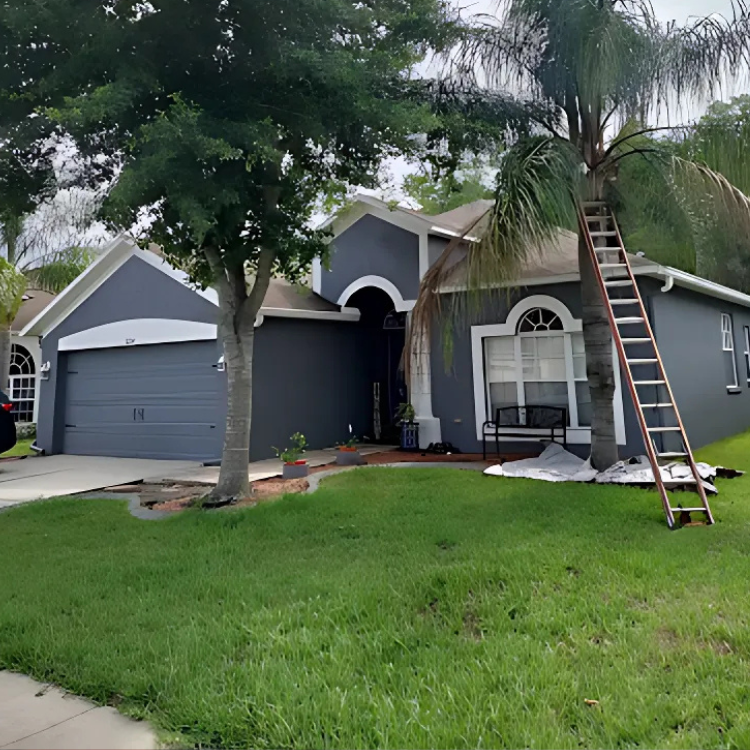
- Waiting until branches are already contacting roofs, gutters, or fences before scheduling maintenance.
- Assuming that one “big cut” equals maintenance. Large, infrequent removals can stress the tree and create new growth patterns.
- Trimming only for appearance while ignoring deadwood, cracks, and signs of decay.
- Forgetting to plan around seasonal growth. If the tree is actively expanding, the interval should reflect that pace.
- Overlooking what the tree is telling you after storms. If breakage has happened once, it can be a clue that maintenance should happen sooner.
- Ignoring the ground-level side of the problem. If you have old stumps affecting the yard layout, pairing tree work with stump grinding can make future landscaping and mowing easier.
Customer Checklist
Use this checklist to decide whether you should schedule trimming now, plan for the next window, or ask for a more targeted service. It is designed for homeowners and property managers who want a quick, practical way to stay ahead of issues.
Practical recommendation: If you can answer “yes” to two or more items below, it usually makes sense to schedule a maintenance visit rather than waiting for the next season.
- Any branches are touching or rubbing against the roof, gutters, or exterior walls.
- Deadwood is visible, or you have limbs that drop unexpectedly after wind.
- You notice cracks, peeling bark around branch unions, or signs of decay.
- The canopy has expanded outward enough to reduce clearance around walkways or driveways.
- Storms recently caused breakage, and you are still seeing unstable limbs or hanging debris.
- You are planning land or property changes and want trees managed as part of the project (for example, brush clearing or lot land clearing).
When land changes are part of the plan
If you are clearing space for a new build, driveway, or improved yard layout, trimming schedules may shift because the goal becomes access and safety first. For property projects in Valrico and nearby areas, you can also explore lot land clearing to coordinate tree work with the rest of the site prep.
Need help deciding what to do first?
Call Timber Kings Tree Service for guidance on scheduling tree trimming maintenance around your current property conditions in Valrico, TX & surrounding areas.
(813) 701-0498Frequently Asked Questions
How often should I schedule tree trimming for my residential property in Valrico, TX?
For many residential properties, a practical starting point is once every 12 to 24 months. If your trees are fast-growing, overhang frequently, or you notice branches creeping closer to structures, you may need maintenance closer to the 12-month mark. The best schedule also depends on tree condition. If you see deadwood, cracks, or recurring breakage, schedule sooner rather than waiting for a routine cycle.
Should I trim after a storm, or wait until the next season?
If a storm caused broken limbs, hanging branches, or visible cracks, waiting is usually not the safest approach. Wind can weaken branches and branch unions, and what looks “mostly fine” can shift again during the next weather event. A targeted assessment helps determine which limbs need immediate removal or pruning now and which parts can be handled during your next maintenance window.
What is the difference between tree trimming and tree pruning?
In everyday conversation, people use these terms interchangeably, but the intent can be different. Tree trimming often focuses on maintaining shape and clearance around structures and landscaping. Tree pruning is typically more about making specific cuts to improve structure, remove deadwood, and manage growth patterns. In many cases, the service plan will include pruning as part of a broader trimming or maintenance visit.
Can regular trimming prevent the need for tree removal?
Regular maintenance can reduce risk and keep trees healthier by addressing deadwood and managing canopy growth before problems escalate. However, trimming cannot fix every condition. If a tree has severe structural issues, extensive decay, or persistent hazards that cannot be managed through pruning, removal may be the safest option. An inspection is the right way to determine whether trimming maintenance can continue or whether a different approach is needed.
Do I need stump grinding after tree work?
It depends on your goals for the yard. If you removed a tree and want to mow, plant, or improve the landscaping layout, stump grinding is often helpful because it removes the remaining stump above the soil line and reduces obstacles for future work. If you are planning yard improvements, coordinating stump removal with your broader tree care plan can make the property easier to maintain.
How can I tell if my tree is due for maintenance right now?
Look for practical signs: branches touching roofs or gutters, deadwood, visible cracks, and limbs that hang lower than they did previously. After storms, any new breakage or unstable limbs are a strong indicator. If your tree is expanding quickly and the canopy is crowding walkways or driveways, it is also a sign that your maintenance interval should be tightened.
Final CTA
When you schedule tree trimming maintenance based on what your trees are doing, your property stays safer and your landscaping looks intentional. If you are in Valrico, TX and want help deciding how often to trim, what to prune, and whether storm or clearance work should happen first, Timber Kings Tree Service is ready to help.
Contact Timber Kings Tree Service
Get a maintenance recommendation tailored to your trees in Valrico, TX & nearby areas.
Visit our website
Timber Kings Tree Service
Timber Kings Tree Service provides tree care services for homeowners and property owners in Valrico, TX and surrounding areas. Our team helps with tree trimming, tree pruning, tree cutting, stump grinding, storm damage cleanup, emergency tree service coordination, and lot land clearing so your property can look its best and stay safer through changing seasons.