Signs You Need Emergency Tree Service Tonight
If a tree looks unstable, damaged, or “just a little off” after storms, wind, or heavy rain, the safest move is to take it seriously right away. This guide helps you spot the red flags that often mean hazardous tree removal, tree cutting, or storm damage cleanup cannot wait until morning.
It’s 9 pm in Valrico and a gust of wind rattles the branches you thought were fine all day. Then you hear it: a fresh crack, a shifting sound near the trunk, or branches settling lower than they were an hour ago. Even if the tree is still standing, that change can signal hidden breakage.
When you are deciding whether to act tonight, you need more than “it looks bad.” You need a clear way to judge risk around your driveway, roofline, power lines, and walkways, plus what to do while you wait for help. Below, you will learn the specific signs that point to emergency tree service and the safer steps you can take immediately.
- Quick answer
- What to check first
- Main things customers should understand
- Why this matters in Valrico, TX
- Common mistakes to avoid
- Customer checklist
- Frequently asked questions
Quick Answer
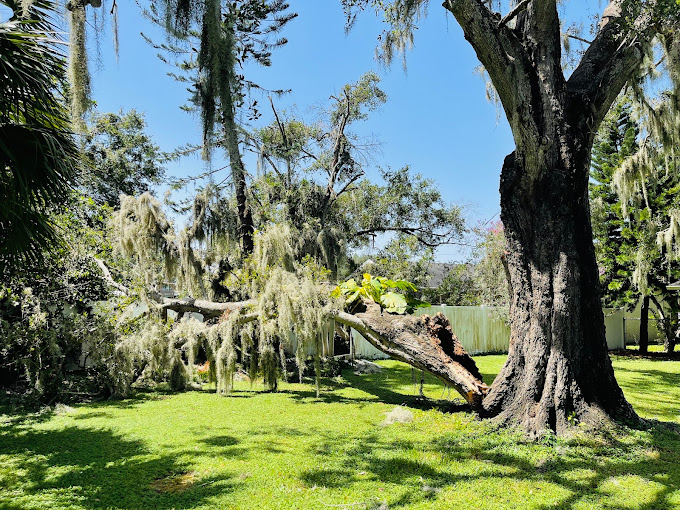
If a tree is leaning more than it was earlier, has visible cracks or fresh split wood, is hanging over your home or driveway, or is touching or near power lines, treat it as urgent. Keep people and pets back, avoid pulling or shaking the branches, and contact a qualified crew to assess the hazard. If you are not sure, use a conservative approach: it is better to have a tree health assessment than to wait for it to “settle” on its own. When in doubt tonight, call Timber Kings Tree Service so the situation can be evaluated safely.
What to Check First
Start with quick, low-risk observations from a safe distance. You are looking for evidence of a structural failure, not “how bad it looks.” Focus on the trunk, major limbs, and the ground area under the canopy, especially if the tree recently experienced storm damage.
1) Trunk and main limbs
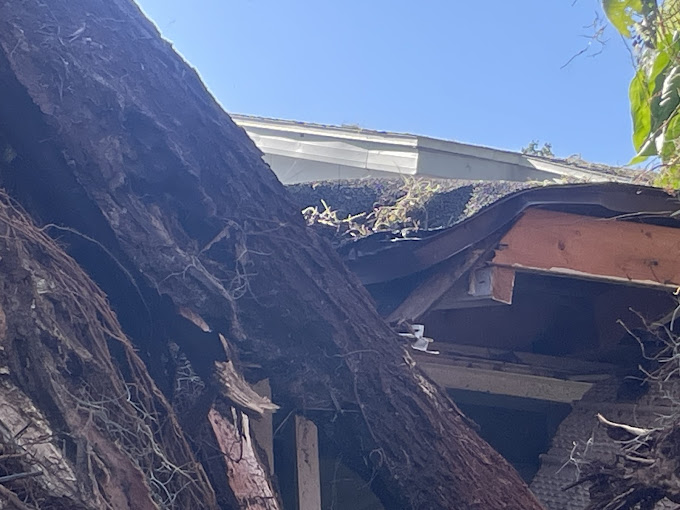
Visible splits, bark tearing, loose sections, or a trunk that looks newly angled are strong indicators that the tree may fail further. If you see fresh movement or cracking sounds, do not approach the base.
2) Ground and roots
Check for raised soil, exposed roots, or a gap forming where the trunk meets the ground. Those signs often mean the root system is compromised and could shift suddenly.
3) Immediate hazards
Look for branches resting on roofs, fences, cars, or utility lines. A tree that is “just touching” power lines or hanging low over entrances should be treated as emergency-level risk.
Professional observation: In the field, the most dangerous situations are the ones that look “almost stable.” A tree can still be upright while major internal damage is progressing, especially after high wind or wet, heavy conditions.
Main Things Customers Should Understand
Emergency tree service is not only about trees that are already down. It is also about preventing the next failure, clearing hazards safely, and choosing the right method for the situation. In Valrico, many properties have mature shade trees near structures, which increases the stakes when storm damage or rot is present.
Red flags that often mean hazardous tree removal or urgent tree cutting:
- Fresh cracks in the trunk or major limbs, especially if you can see a split opening.
- Branches sagging lower than before, or limbs “hanging” at a new angle.
- Tree contact with power lines or anything that appears dangerously close.
- Roots pushed up, a leaning trunk that changed during the last storm, or soil washout around the base.
- Dead tree removal concerns, such as brittle limbs that break when lightly struck by wind.
- Signs of tree disease or pest activity that weaken structure, followed by wind stress.
| Situation you notice tonight | What it can mean | Typical next step |
|---|---|---|
| Tree is leaning more than earlier | Possible root or trunk failure | Hazard assessment and controlled removal plan |
| Cracks or split wood visible | Internal breakage progressing | Tree cutting with safe rigging approach |
| Falling or lodged limbs over a driveway/roof | Unstable load and risk of shifting | Storm damage cleanup and debris handling |
| Tree near or touching power lines | Potential electrical hazard | Do not attempt removal; professional hazard handling |
| Stump or roots exposed after a break | Trip hazard and future regrowth | Stump grinding or stump removal plan |
A quick local comparison: “wait it out” vs. “get eyes on it”
| What you are thinking | Why it feels reasonable | Why it can be risky | Safer action |
|---|---|---|---|
| “It will probably settle.” | Wind calms down after a gust | Damage can continue under load | Keep distance and request a hazard assessment |
| “We can trim it ourselves.” | You only need a small cut | Cutting changes leverage and can drop unstable sections | Use a tree service trained for safe tree pruning and cutting |
| “It’s not near the house.” | Distance makes it seem safer | Falling debris can still reach walkways and vehicles | Treat it as an emergency if it blocks safe access |
Need a hazard check after tonight’s wind or storm?
Timber Kings Tree Service can help you evaluate what is unsafe and what comes next, including storm damage cleanup, tree removal, and related services.
Call Timber Kings Tree ServiceOr reach us at (813) 701-0498.
Why this matters in Valrico, TX
Valrico properties often mix older shade trees with homes, driveways, and landscaping that sit close together. After intense weather, a tree can shift in a way you do not notice until it “suddenly” changes position. That timing is why emergency calls are common when branches land on roofs, hang over entrances, or show new cracks during the same evening.
Firsthand-style industry observation: In storm aftermaths, the most overlooked hazard is the part of the tree you cannot easily see. A limb may look “caught” in surrounding branches, but the load path can change as wind shifts, causing a delayed drop. That is why crews focus on the whole structure before cutting or removing any section.
If you are dealing with storm damage near your home, consider reviewing storm damage tree cleanup as part of your next steps.
Common Mistakes to Avoid
When people panic, they often try to “fix it quickly.” Unfortunately, that can increase risk. These are the most common mistakes homeowners make when a tree appears unstable, especially after wind, heavy rain, or a sudden limb break.
Do not do this tonight: Cutting, pulling, or climbing onto the area to move branches can turn a manageable hazard into a dangerous collapse.
- Approaching the trunk or base. Even if the tree looks steady, roots and internal fibers may be compromised. Stay back and keep others away.
- Using a ladder or trying to “trim the hanging limb.” Tree pruning and tree shaping should be planned with proper rigging and direction of fall.
- Assuming “it is only dead branches.” Dead tree removal still requires safe handling because dead limbs can break unpredictably.
- Forgetting secondary hazards. Watch for debris over sidewalks, blocked exits, and damage to gutters, fences, or vehicles.
- Ignoring the stump after a break. Once the tree is removed, stump removal or stump grinding near me can help reduce regrowth and eliminate trip hazards.
Customer Checklist
Use this checklist to stay safe tonight and give the crew a clear picture of what is happening. If you can answer these quickly, you reduce confusion when help arrives.

- Confirm whether the tree is leaning, cracking, or showing fresh movement compared to earlier.
- Check for limbs hanging over the roof, driveway, fences, or any walking paths.
- Look for any contact or dangerous proximity to power lines.
- Note whether the ground at the base looks disturbed, raised, or washed out.
- Keep people and pets inside and away from the hazard zone.
- Avoid pulling on branches or attempting DIY tree cutting.
- Make a quick list of what you observe (for example, “new crack in main limb” or “roots exposed”).
- Contact Timber Kings Tree Service at (813) 701-0498 for an emergency hazard assessment.
Representative scenario: what typically happens next
After a late-evening storm, a homeowner in Valrico notices a large limb that suddenly hangs lower over a driveway. It is not fully down, but there is a visible split near where the limb meets the trunk. The homeowner keeps everyone inside, stays well away from the base, and calls Timber Kings Tree Service. The crew evaluates the structure, determines what sections are unstable, and handles storm damage cleanup so the area is safer. If the tree has been compromised at the root level, the plan may include related services such as tree removal and follow-up stump grinding where needed.
Frequently Asked Questions
How can I tell if a tree is dangerous even if it has not fallen yet?
A tree can be hazardous without being fully down. Look for fresh cracks, bark tearing, a trunk that appears to have shifted, or limbs hanging at a new angle. Also check the base for raised soil or exposed roots. If the tree is over a driveway, roofline, or any path people must use, treat it as urgent. When you are unsure, request a hazard assessment rather than waiting for the next wind gust to test the damage.
Should I wait until morning if the tree is only “partly broken”?
Waiting can be risky when a tree is under tension from wind, lean, or fresh splits. Even if the visible portion seems stable, internal damage can continue to progress as conditions change. If the tree blocks access, rests on structures, or appears to be moving, treat it as an emergency tonight. Keeping people away and calling Timber Kings Tree Service helps you avoid delayed failure and supports a safer plan for tree cutting and cleanup.
What should I do if branches are near power lines?
If a tree or limb is near or contacting power lines, do not attempt to move it yourself and do not approach the area. The safest step is to keep everyone away and contact a qualified team to assess the hazard. The goal is to reduce risk while the situation is handled with proper procedures. If you are uncertain, err on the side of caution and call Timber Kings Tree Service for guidance on the safest next steps.
Can trimming fix the problem, or is removal usually required?
Sometimes tree trimming, tree pruning, or crown reduction can address specific issues. Other times, hazardous tree removal is the safer choice, especially when the trunk or root system is compromised, or when there are major splits in load-bearing limbs. The right answer depends on what is failing and where the risk is located. A site assessment helps determine whether the tree can be managed safely or whether removal and follow-up services are needed.
What happens after the tree is removed: do I need stump grinding?
After a tree is removed, homeowners often need to address what remains. Exposed stumps can create trip hazards and may lead to ongoing nuisance growth depending on the situation. Stump grinding can also help clear space for landscaping or future use of the yard. If you are dealing with stump-related concerns, you can review Timber Kings Tree Service’s stump grinding service page for how the next step is typically handled.
Get help for the hazard, not just the debris
If you see cracks, shifting, or a tree that threatens your home or access in Valrico, TX, call Timber Kings Tree Service so the situation can be evaluated safely. Proper tree care decisions tonight can prevent a second failure tomorrow.
Contact Timber Kings Tree ServicePhone: (813) 701-0498