After a strong wind event, trees and branches can look “mostly fine” while still being unstable. This guide explains what a professional tree service typically includes when wind damage hits your yard in Valrico, TX, so you know what to look for, what to prioritize, and how to plan next steps for safer tree care.
After the wind passes through Valrico, TX, you step outside and see branches down across the yard. Some limbs are resting on the ground, but others are still hanging in a way that makes you wonder: could that tree part move again?
Homeowners often also notice broken limbs that don’t look “that big,” yet the tree crown looks uneven or the trunk seems to have shifted. You may be dealing with blocked driveways, damaged landscaping, or debris that needs careful cleanup before you can assess the real damage.
This guide breaks down what tree service should include after wind damage, from first checks to pruning, tree cutting, stump removal decisions, and storm-damage cleanup. You’ll also get a practical checklist you can use when you call, plus common mistakes to avoid so you do not miss hidden hazards.
- Quick answer
- What to check first
- Main things customers should understand
- Why this matters in Valrico, TX
- Common mistakes to avoid
- Customer checklist
- Frequently asked questions
Quick Answer
After wind damage, a proper tree service usually starts with a safety-focused assessment, then removes fallen and hanging hazards, and finally addresses the tree’s remaining structure with targeted tree pruning, tree cutting, or tree removal when needed. Cleanup is part of the scope, including debris handling and managing what is left behind. If stumps or roots are involved, stump grinding or stump removal is often recommended to prevent regrowth and to reduce trip hazards. For best results in Valrico, TX, prioritize a professional evaluation before you attempt DIY cutting.
What to Check First
Your first goal is to identify what is unsafe right now. Look for branches still under tension (they may “spring” when cut), limbs leaning against structures, and any tree parts that appear cracked or split. If the damage is near power lines, do not approach. Keep people and pets away from the area until a professional arrives.
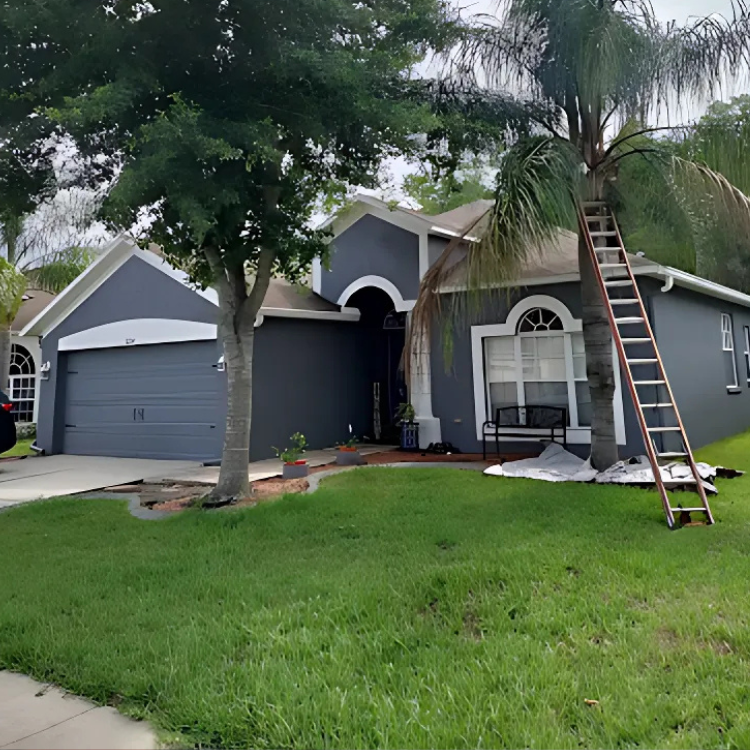
Next, take a slow inventory of the problem areas: the driveway, walkways, fence lines, and tree base. Wind can also shift roots, leaving a tree that still stands but is no longer stable. A knowledgeable arborist will check trunk movement, branch attachment points, and the overall crown so the repair plan matches what the tree can safely support.
Main Things Customers Should Understand
Wind damage is not always one clean event. It can cause multiple types of failure at once: broken branches, split limbs, torn bark, leaning trunks, and sometimes root movement. The tree service scope typically reflects that reality.
1) Hazard removal and fallen tree cleanup
When branches are down or hanging, the priority is removing what can fall further. This often includes careful branch removal and managing debris so you are not left with more damage during cleanup.
2) Targeted pruning and structural correction
If the tree remains stable, pruning can help reduce weight, remove compromised limbs, and improve crown structure. This is where proper tree pruning matters most after a storm.
3) Tree cutting or tree removal decisions
If the trunk is cracked, the tree is leaning, or the crown is too compromised, tree removal may be the safer route. A good plan explains what must be cut and why.
Professional observation: After wind events, the “look” of the damage can be misleading. A limb that is resting on the ground may still be connected in a way that keeps tension in the branch, and a tree that stands may still have hidden instability at the base.
What “after wind damage” can include
Depending on what you have on your property, tree service after storms may include:
- Storm-damage assessment: evaluating tree health, branch attachment points, and stability before any cutting.
- Fallen tree removal: removing downed limbs and clearing the affected area.
- Tree cutting: removing broken limbs and managing cuts to reduce stress on remaining structure.
- Tree pruning: cleaning up compromised branches and supporting healthier crown structure.
- Dead tree removal: when wind reveals decay or the remaining structure is no longer viable.
- Stump removal support: clearing what is left behind after a cut and addressing the base.
- Stump grinding: when you want a smoother yard surface and fewer obstacles during cleanup.
- Lot land clearing: if the storm impacts more than one area of a property and you need broader cleanup.
A decision table homeowners can use
If you are trying to understand what service makes sense, use this simple guide. Your property’s condition determines which items apply.
| What you’re seeing after wind | Often included in the plan | Why it matters |
|---|---|---|
| Hanging limbs or branches above fences/roof lines | Hazard removal, careful tree cutting, debris cleanup | Hanging parts can shift and fall even after the wind stops. |
| Cracks, splits, or torn bark on the trunk or major limbs | Tree health assessment, structural pruning, possible tree removal | Damage may worsen over time or fail under normal loads. |
| Leaning tree or base movement you can notice | Stability evaluation, targeted cuts or tree removal | Roots may be compromised even if the tree looks “still standing.” |
| Stumps left after limb removal or tree removal | Stump grinding or stump removal | Reduces trip hazards and helps keep the area usable. |
| Storm debris across multiple parts of the yard or property | Storm cleanup, lot land clearing, brush clearing | Broader cleanup helps you restore access and yard function faster. |
Why this matters in Valrico, TX
In Valrico, TX, wind can push branches into fences, overwhelm backyard structures, and expose weak points in mature trees. Many homes here have established shade trees that have been growing for years, so storm damage often involves both visible breaks and less visible tension within the crown. A careful service plan focuses on what can move next, not just what is already on the ground.
For homeowners, that usually means thinking beyond cleanup. After wind damage, the right next step may be tree pruning to rebalance the crown, stump grinding if you have cut stumps, or storm-damage-specific planning to prevent repeat issues during the next weather event. If your property includes areas that have become hard to use, lot land clearing and brush clearing may also be part of restoring safe access.
Need help figuring out your storm-damage scope?
Timber Kings Tree Service can walk through what to remove, what to prune, and what to address at the base so your property is safer and easier to manage after wind damage.
View storm damage servicesCommon Mistakes to Avoid
When wind damage happens, it is tempting to start cutting right away or to assume that “it’s fine because it stopped moving.” Those shortcuts can create new hazards.
Common mistakes we see:
- Cutting hanging limbs without stabilizing the tension: a limb can drop unexpectedly and cause serious injury.
- Ignoring trunk or base cracks: even small splits can indicate larger structural risk.
- Focusing only on the biggest branch: multiple smaller breaks can still leave the crown unbalanced and more likely to fail.
- Leaving stumps and roots unmanaged: stumps can become trip hazards and make yard access harder.
- Waiting too long to assess stability: damaged attachment points can fail after additional wind, rain, or normal load from growth.
Customer Checklist
Use this checklist when you talk with Timber Kings Tree Service about wind damage in Valrico, TX. It helps you explain what you see and helps the team plan the safest, most practical next steps.
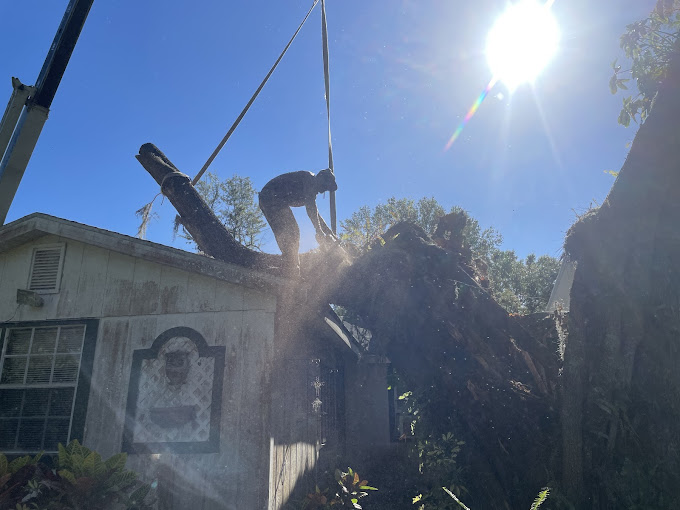
- Identify where damage is located (front yard, backyard, driveway, near fences, or close to structures).
- Note what is still hanging, leaning, or under tension.
- Point out any cracks, splits, or torn bark on major limbs or the trunk.
- Confirm whether any debris blocks access (walkways, gates, or parking areas).
- Let the team know if stumps are involved and whether you want stump grinding or stump removal.
- Share whether the issue is limited to one tree or affects broader areas (brush clearing or lot land clearing).
- Ask what the plan includes: assessment, pruning/tree cutting, cleanup, and base/stump next steps.
Representative scenario: what a plan can look like
For example, after a windy afternoon in Valrico, TX, a homeowner reports several limbs down near the back fence and one larger limb hanging above a path. On arrival, the team checks which parts are still under tension and which branches are safely removed without stressing the rest of the crown. The plan typically includes hazard removal and controlled tree cutting, followed by tree pruning to remove compromised sections and restore a more stable shape. If a full tree removal is required due to trunk damage, the cleanup plan also covers stump grinding to help the homeowner reclaim usable space.
If you are dealing with a similar situation and want to understand options for the remaining tree, you can also review tree trimming and tree removal services to see how the process is typically structured.
Frequently Asked Questions
How do you decide between pruning and full tree removal after wind damage?
It usually starts with a stability and structure check. If the trunk and major limbs are intact and the damage is limited to broken branches, tree pruning and targeted cuts may be enough to reduce risk and restore crown structure. If there are trunk cracks, major splits, or signs the tree has shifted at the base, removal may be the safer option. The goal is to address what can fail next, not only what is visible today.
What does storm damage cleanup typically include?
Storm damage cleanup generally includes removing fallen debris and handling hanging or compromised limbs that could fall further. After that, crews often focus on restoring usable access to the property by clearing affected walkways or driveway areas. If stumps are left behind after cutting, the plan may also include stump grinding or stump removal steps. The exact scope depends on whether the damage is limited to one tree or spreads across multiple areas.
Should I worry about stumps after a storm even if the tree is already cut?
Yes. Stumps can create long-term obstacles and safety issues. They can be trip hazards, interfere with mowing or landscaping, and make future yard work harder. In many cases, stump grinding helps create a smoother surface and reduces the stump’s presence. If you are planning broader yard restoration, stump removal planning can also fit into a larger cleanup approach like brush clearing or lot land clearing.
Is tree pruning after wind damage different from regular pruning?
It can be. After wind damage, pruning is often about addressing compromised attachment points and reducing load where failure occurred. That can mean removing broken or damaged limbs, correcting an unbalanced crown, and shaping the tree in a way that improves stability. Regular pruning is usually focused on overall health and appearance. Storm-focused pruning is more targeted to what happened during the event and what may still be at risk.
When should I call for help instead of handling cleanup myself?
Call for help when limbs are hanging, when you see cracks or splits on the trunk, or when branches are near structures or paths where they could fall. DIY cutting can be dangerous because wind damage often leaves tension in parts of the tree that are not obvious at first glance. If your property includes multiple damaged areas, a coordinated storm-damage plan also helps you restore safe access without leaving hazards behind.
Get your Valrico, TX property back to safe, manageable shape
If wind damage left you unsure what is unstable or what needs to be removed, Timber Kings Tree Service can help you map out the next steps for tree care, cleanup, and base/stump follow-up.
(813) 701-0498
Timber Kings Tree Service
Timber Kings Tree Service provides tree care services for homeowners and property managers in Valrico, TX and surrounding areas. Our storm-focused approach helps customers handle fallen tree removal, tree cutting, tree trimming, stump grinding, and lot land clearing after wind damage. If your yard needs a plan for safer cleanup and better long-term tree health, we are here to help you choose practical next steps.
Helpful services to review: Emergency Tree Service, stump grinding, and lot land clearing.