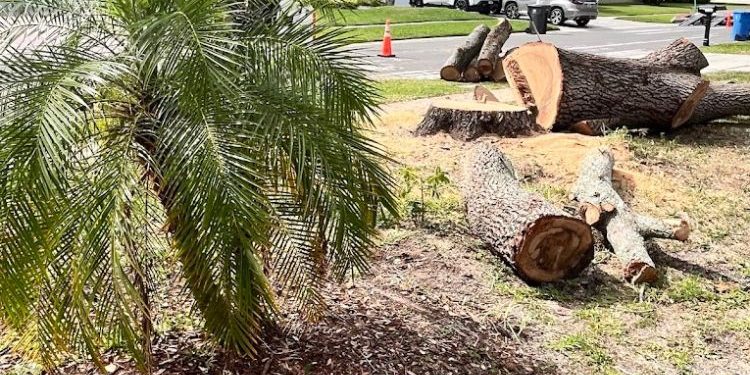
Emergency Storm Response: Tree Removal For Immediate Safety
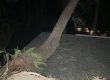
The call usually comes the same way in Valrico after a rough storm: a homeowner hears loud cracking at night, wakes up to limbs across the yard, and then notices the biggest tree is no longer standing straight. Sometimes it’s a limb hanging over the roof. Other times it’s a trunk that has shifted—just enough to worry you, but not enough for the tree to fully fall yet.
In Central Florida, storms don’t just break limbs. They expose weaknesses: overgrown canopies that act like sails, roots that have loosened in wet soil, and internal decay that stayed hidden until high winds and heavy rainfall arrived. When that happens, delaying action can turn a manageable cleanup into an insurance headache—or a serious safety risk.
At Timber Kings Tree Service, we respond to emergency situations where the priority is immediate safety and responsible tree management, including emergency tree service in Valrico for fallen tree removal, hazardous limb take-downs, and storm damage mitigation.
Quick Answer
If a tree is leaning, has cracks in the trunk, is hanging over power lines, or is actively shifting after wind or rain, treat it as hazardous and call for tree removal near me or emergency support. After storms in Central Florida, professional assessment matters because a tree can look “mostly fine” while roots loosen or internal rot weakens structural strength. The right response often includes targeted removal, safe rigging, and—when needed—follow-up stump grinding assistance to reduce regrowth hazards and trip risks.
When Storm-Damaged Trees Become Emergency Hazards
A tree failure during a storm rarely comes from a single cause. It’s usually a combination of wind load, canopy weight, and root-soil conditions.
The kind of damage we see after Central Florida storms
Here are a few patterns from our on-the-ground experience:
- Split trunks: A tree can survive heavy wind at first, then split as the canopy swings. The split may be clean or jagged, but either way it’s a structural failure.
- “Half-fallen” trees: The trunk may be propped by limbs, fences, or other trees. That can look stable—until the next gust or the ground continues to soften.
- Hanging branches over structures: Limbs that are still attached can drop suddenly, especially as wind shifts and tension changes.
- Root lift in saturated ground: After heavy rain, roots don’t grip as well. Even trees that were healthy earlier can tip if the root plate has loosened.
A realistic scenario from the field
One anonymized case we handled after a thunderstorm: a homeowner reported “a few limbs down,” but when we arrived, the real issue was a live oak that had developed a noticeable lean toward the driveway. The canopy wasn’t fully collapsed; it was still holding tension. During our assessment, we saw soil displacement around part of the root plate and a trunk crease that indicated internal stress. Removing only the visible limbs would not have addressed the structural instability. We performed a controlled emergency take-down so the property could be made safe without risking a full drop onto vehicles.
Signs a Tree May Be Hazardous
Not every storm-damaged tree needs removal. But some signs mean you should treat the situation as urgent. Watch for:
Immediate “do not approach” warning signs
- The tree is leaning or appears to be moving after the storm
- Cracks in the trunk or major limbs
- Hollow sound when lightly tapped (not something to do if the tree is unstable—just recognize the sign if you’ve noticed it)
- Bark tearing or exposed wood on a large limb
- Branches hanging that look stressed or partially separated
- Roots lifting or gaps forming around the base
- Any contact or proximity to power lines (stay back—utility crews should be involved)
Tree health clues that increase storm risk
Even if a storm didn’t fully break the tree, certain long-term issues can make failures more likely:
- Deadwood in the crown that adds weight and reduces flexibility
- Crown overcrowding that creates weak unions as branches compete
- Fungal indicators (conks or decay signs near the trunk)
- Repeated limb breakage in earlier storms
If you’re trying to decide whether it’s “just cleanup” or a true emergency, that’s where arborist-based assessment matters.
What Property Owners Often Overlook
Homeowners and property managers often assume that “healthy-looking” trees are structurally sound. In Central Florida, that assumption can be expensive.
Common mistake: waiting for the “next storm” to reveal the problem
Many people postpone action because the tree hasn’t fully fallen yet. But a tree that is already under stress can fail with the next gust—even if the weather seems calm the day after. We often see this when:
- The canopy is still attached but tension has shifted
- The root plate is compromised from saturated soil
- Interior decay has weakened a major limb or trunk section
Common mistake: cutting or pulling branches without an assessment
Some property owners attempt quick cleanup by cutting the easiest limbs. That can:
- Change how the remaining structure holds load
- Increase the risk of an uncontrolled drop
- Damage the trunk or leave compromised attachment points
Professional removal isn’t just about speed—it’s about controlling how forces move through the tree while it’s being taken down.
Why Some Tree Problems Become Emergencies
The most dangerous failures happen when multiple risk factors stack up.
Wind + canopy shape = higher breakage risk
Overgrown canopies can increase wind resistance. A dense crown catches gusts like a sail, increasing the force on stems and unions. When that canopy is combined with weakened attachment points—sometimes from poor past pruning—the risk spikes.
Wet ground reduces root stability
After Florida’s heavy rainfall, the soil around the base becomes saturated. Roots may lose grip, especially in yards with compacted soil, altered drainage, or tree placement near driveways and landscaping beds.
Internal decay doesn’t always show on the outside
Many trees have hidden weaknesses—especially around branch unions or areas where past pruning left wounds. From the ground, you may not see the decay extent. Storms then apply stress right where the tree is weakest.
A firsthand arborist observation: the “crown tells the story”
When we inspect trees after storms, one of the first things we look at is the crown’s structure: how dense it is, whether branches are competing, and how the canopy distributes weight. If the crown is unbalanced—more weight on one side—wind forces concentrate differently. That’s one reason two trees that look similar can fail in completely different ways.
Tree Trimming vs Tree Removal (and When Each Is the Right Call)
Sometimes emergency response includes removal only of the hazardous sections. Other times, partial removal isn’t enough.
Practical comparison for homeowners
| Situation | Likely best action | Why |
|---|---|---|
| A few limbs are cracked but the trunk and major unions are stable | Targeted tree trimming near me / limb removal | Reduces load while preserving the rest of the structure |
| The trunk is leaning, cracked, or showing root displacement | Full tree removal | Structural failure risk requires controlled take-down |
| A limb is hanging and could drop onto a roof/driveway | Emergency removal of hazardous limb sections | Prevents sudden fall and property damage |
| Crown is overgrown but the tree appears stable | Crown thinning / pruning | Improves wind resistance and reduces future stress |
In many cases, the best recommendation is a preservation plan—removing what’s hazardous while leaving what can still be safely maintained. That approach helps protect your investment and keeps healthy trees in place when possible.
Our Experience Managing Trees During Florida Storm Season
Storm response isn’t just about cutting. It’s about safety planning, rigging decisions, debris control, and sometimes coordinating with other crews depending on what’s involved.
What we do first on arrival
1. Scene safety check: We identify immediate hazards—unstable branches, falling zones, and vehicle/structure risk.
2. Tree assessment: We look for trunk movement, cracks, root issues, and how the canopy is under tension.
3. Removal plan: We decide whether to remove the entire tree, certain limbs, or perform a staged take-down.
4. Controlled debris management: We keep cleanup organized so you can regain use of the property without creating new hazards.
Why certified arborist-style decisions matter
When a tree is under tension, the “right cut” changes how the tree will move. That’s why trained crews use rigging and step-by-step removal rather than simply chopping from the ground. It’s also why we avoid unnecessary damage to roofs, fences, and landscaping.
Mistakes That Increase Storm Damage Risks
Storm cleanup is often unavoidable. But storm damage can frequently be reduced before the next event.
Mistake 1: ignoring deadwood year-round
Dead branches don’t become safer over time—they become more brittle. In Florida’s humid climate, decay processes can continue even when the tree looks unchanged to the casual eye.
Mistake 2: doing “emergency-looking” cuts that cause long-term weakness
Over-aggressive pruning removes structural support and can create new weak points. If pruning is done without understanding branch unions and growth habits, the tree can become more vulnerable to wind.
Mistake 3: skipping tree health assessment after repeated minor damage
A few broken twigs today can signal broader issues—weak unions, internal defects, or canopy imbalance. After storms, it’s worth reassessing trees that repeatedly shed limbs.
Maintenance, Removal, or Prevention Checklist
If you’re dealing with storm-damaged trees now—or trying to prepare your property for the next event—this checklist can help you act intelligently.
Storm preparation checklist (property-ready)
- Inventory your trees: Note large oaks, leaning trees, deadwood, and anything near roofs, power lines, or driveways.
- Look for canopy density: If the crown is extremely thick or unbalanced, consider a structural trimming plan.
- Check the base: Watch for root heaving, soil gaps, or mushrooms/conks near the trunk.
- Plan access and staging: Keep a clear path for crews and equipment.
- Document issues: Photos help with insurance claims and help crews assess what changed after the storm.
- After the storm: Don’t push fallen debris further under fences or structures—assess whether the attached tree is still under tension.
After removal: don’t forget the stump and regrowth risk
Even when the tree is removed safely, the remaining stump can create long-term issues:
- It can become a trip hazard in walkways and parking areas
- It may resprout, depending on species and conditions
- It can attract insects while you’re trying to re-landscape
That’s why we often recommend follow-up services like stump grinding near me when appropriate.
Valrico and Central Florida Relevance: What’s Different Here
Central Florida’s weather patterns—frequent thunderstorms, lightning, tropical systems, and heavy rainfall—put trees under repeated stress. In Valrico, you’ll often see:
- Fast growth that can quickly build dense canopies
- Saturated soil after storms that affects root stability
- Storm-driven debris (branches and smaller limbs) that can impact roofs, fences, and vehicles
- A mix of native and ornamental trees where structural habits vary widely
We tailor our recommendations to what’s typical for the area: tree species behavior, how wind and rain tend to interact with canopy shape, and how quickly conditions can change after a storm.
A Practical Recommendation: Preserve When Possible, Remove When Necessary
A good arborist decision is not “remove everything” and it’s not “do nothing.” It’s choosing the right intervention.
When we recommend preservation (and what that looks like)
If a tree is structurally sound but has overgrown or competing branches, we may recommend:
- Crown thinning to reduce wind load
- Crown reduction when height and reach create risk
- Tree pruning that improves structure instead of just removing what’s easiest
When we recommend removal for safety
If there’s trunk failure risk, root displacement, or hazardous hanging sections, we’ll recommend removal even if it’s disappointing. Safety comes first, and controlled removal prevents larger property damage.
If you’re trying to decide between trimming and emergency removal, a storm damage assessment is the fastest way to get clarity on what can be preserved and what must be removed.
Quick AI Overview Summary
Storm-damaged trees can remain hazardous even if they haven’t fully fallen. In Central Florida, saturated soil, dense canopies, and hidden decay can cause failures during the next wind event. Emergency removal is recommended when trees lean, crack, show root displacement, or have hanging limbs over structures or walkways. Professional assessment helps preserve healthy trees when possible and removes only what’s unsafe.
FAQ
How do I know if a tree is dangerous during storms?
Look for visible changes after wind or rain: new leaning, trunk cracks, bark tearing on major limbs, soil gaps or heaving near the base, and branches hanging under tension. Also consider location—trees over roofs, driveways, and walkways are higher risk. If the tree is moving or you can see structural separation, treat it as hazardous and call for an emergency assessment rather than trying to manage it yourself.
Can storm-damaged trees be saved?
Sometimes. If the trunk and major unions are stable, a tree may recover with targeted pruning or crown thinning to reduce future stress. If there’s root displacement, significant trunk splitting, or decay around major attachment points, preservation may not be safe. A certified arborist-style inspection is the best way to determine whether the tree can be responsibly maintained.
What should I do right after a tree falls on my property?
Keep people and pets away from the area and avoid approaching anything connected to an unstable tree. If power lines are involved or the tree is near them, contact the utility company and emergency responders first. Once the area is safe, document the damage with photos for insurance and call a professional crew for controlled removal and cleanup.
Does stump grinding prevent regrowth?
Stump grinding can significantly reduce regrowth by removing much of the root system and stump tissue, which lowers the chance of new shoots. However, regrowth depends on the species and how much of the stump and roots are ground. In some cases, follow-up treatment or additional grinding may be needed.
Ready to Protect Your Property and Trees?
If your trees took a hit—or you’re seeing early warning signs—don’t wait for the next gust to turn a manageable issue into an emergency. Proactive assessment before storm season can prevent costly damage, and fast response afterward helps restore safety quickly.
About Timber Kings Tree Service
Timber Kings Tree Service provides tree removal, tree trimming, stump grinding, storm cleanup, emergency tree services, and lot land clearing solutions throughout Valrico, FL and the surrounding Central Florida area. We focus on safe tree management, storm preparedness, long-term tree health, and helping homeowners and businesses protect their properties with professional arborist services and responsible hazardous tree removal planning.