Tree Service Safety Tips to Prevent Falling Branches
Falling branches are usually preventable when you catch risk early, reduce weak growth, and keep tree care focused on health and structure. If you own property in Valrico, TX, this guide walks you through what to check, what to avoid, and when to call a pro for tree pruning, tree cutting, and related tree care services.
Last week, a neighbor’s tree limb cracked and dropped across their driveway during a windy stretch. The tree looked “fine” from the street, but the break happened high in the canopy where you cannot easily see decay or weak attachment points.
If you have mature trees around your home in Valrico, TX, you can feel torn between two worries: you do not want to ignore a potential hazard, and you do not want to take risky DIY actions near branches that could fall. This guide helps you understand the warning signs of hazardous limbs, the safest ways to reduce risk, and how to plan tree pruning or tree removal decisions before weather turns them into emergencies.
- Quick answer
- What to check first
- Main things customers should understand
- Why this matters in Valrico, TX
- Common mistakes to avoid
- Customer checklist
- Frequently asked questions

Quick Answer
If you are concerned about falling branches, start by inspecting for visible hazards (dead limbs, cracks, loose hangers, and fungus or cavities) and keeping people and vehicles away from the drop zone. For anything above ground level or anything that looks partially detached, do not attempt to cut it yourself. Instead, schedule an assessment so a tree care professional can recommend targeted tree pruning, tree cutting, crown reduction, or dead tree removal based on the tree’s structure and health. For properties with storm history, planning ahead often prevents small problems from becoming large ones.
What to Check First
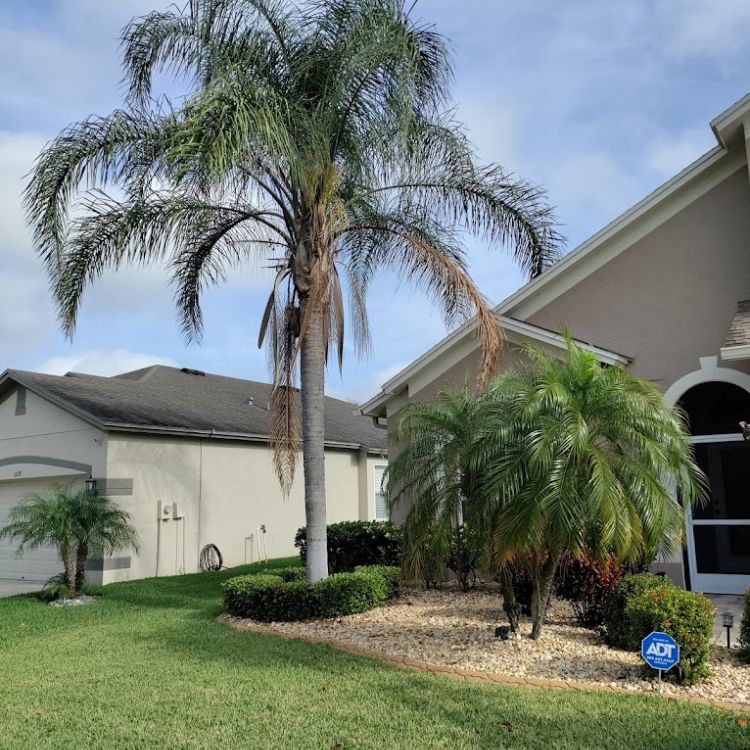
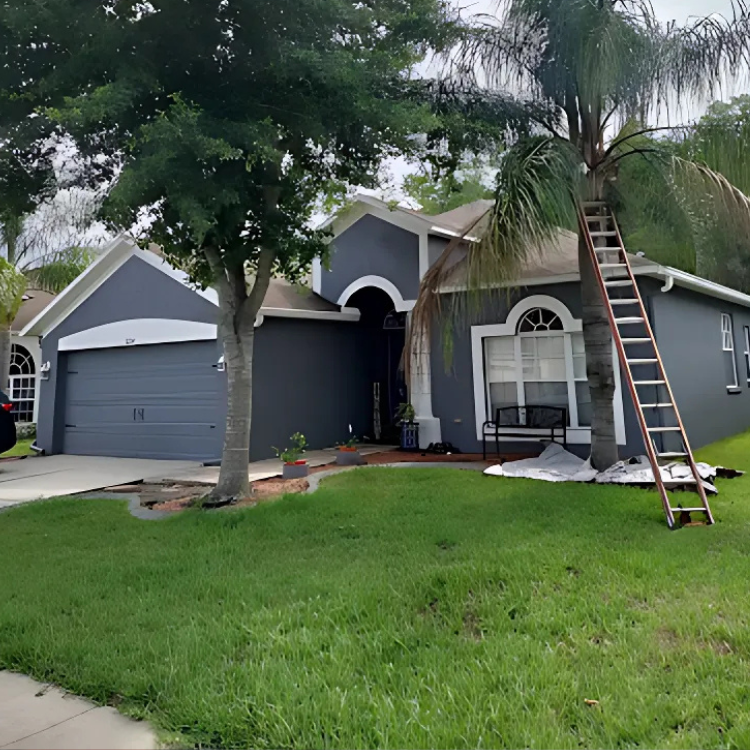
Begin with a slow, safe walkthrough from the ground. Do not climb, do not pull on limbs, and do not stand directly under branches that look questionable. Focus on areas that are easiest to reach visually: the canopy edges, where branches meet the trunk, and any limbs that hang lower over driveways, patios, walkways, or fences.
- Dead or brittle limbs: Look for branches with no leaves, peeling bark, or brittle tips that snap when you gently observe them from a distance.
- Cracks and unusual splits: Pay attention to visible separations at branch unions and along the trunk.
- Fungus, cavities, or “shelf” growth: These can indicate internal decay that weakens support.
- Leaning or shifting: A tree that has changed its angle or settled can indicate root or trunk stability issues.
- Loose limbs or “hangers”: Limbs that appear partially attached or angled downward deserve professional attention.
- High-friction contact: Branches rubbing each other can create weak spots over time.
Main Things Customers Should Understand
In Valrico, TX, branch failures often come down to structure and tree health, not just storm frequency. Trees can look full and green while still having hidden weaknesses at branch attachments, inside cavities, or in areas compromised by disease or pests. A good arborist services approach focuses on risk reduction: removing hazardous limbs, improving clearance, and maintaining healthy growth patterns rather than “cutting until it looks better.”
Professional observation: The riskiest branches are often the ones that are still partially attached. They may not look “broken” from the ground, but internal decay or weak unions can make them fail suddenly during wind gusts.
What safe prevention usually involves: targeted tree pruning and tree trimming to reduce weight, remove dead wood, and improve clearance; tree health assessment to identify decay or stress; and, when needed, decisions about hazardous tree removal or fallen tree removal after damage.
| Situation you notice | Why it matters for falling branches | Common tree service focus |
|---|---|---|
| Dead limb with no leaves | Dead wood can break under wind load even if the rest of the tree looks healthy. | Dead tree removal, tree pruning, and proper cuts for hazard reduction. |
| Cracks at the branch collar or trunk union | Cracks can mean the attachment area is failing, even if the limb still “holds.” | Tree cutting decisions and, when appropriate, crown thinning or crown reduction. |
| Mushroom growth or cavities | Fungal indicators often point to internal decay that weakens internal structure. | Tree health assessment and recommendations for hazardous tree removal. |
| Branches rubbing or crossing | Repeated abrasion can create weak points that worsen over time. | Tree trimming for spacing and long-term structure. |
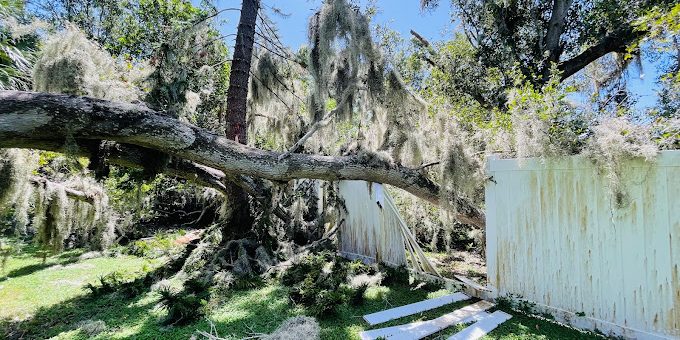
| Storm-related limb damage from a prior event | Existing fractures can continue to shift and fail later, especially after additional wind. | Storm damage review and planning for emergency tree service if needed. |
Tree Trimming for Clearance
When limbs overhang driveways, sidewalks, or structures, careful tree trimming helps reduce the chance of impact during storms.
Tree Pruning for Structure
Tree pruning focuses on growth and branching patterns, including crown thinning and crown reduction when appropriate.
Stump Removal After Cutbacks
Stump removal and stump grinding near me services can reduce tripping hazards and support future landscaping.
Why This Matters in Valrico, TX
Valrico’s mix of warm seasons and occasional severe weather can stress trees and expose weak structure. After a windy period, homeowners sometimes notice new leaf loss, fresh cracks, or “soft” limbs that did not seem like a problem the week before. That timing matters. A small, compromised branch can hold until the next gust, then drop without much warning.
From a local property management standpoint, the goal is consistent risk reduction around high-traffic areas like driveways and walkways. When you plan tree care services in advance, you can prioritize the most hazardous limbs first and avoid last-minute decisions after storm damage. If you have an area that looks “fine” until weather hits, that is usually the moment to schedule a tree health assessment.
Need a safety-focused tree review?
Timber Kings Tree Service can help evaluate branch risk and recommend the right next step for your property in Valrico, TX and nearby areas.
Contact Timber Kings Tree ServiceCommon Mistakes to Avoid
Most falling-branch problems get worse because of well-intentioned but unsafe actions. Here are common mistakes we see homeowners try before calling a pro.
Common mistake: Cutting a limb that is partially attached. Even if it “moves” when you push it, it can still fail in the wrong direction and damage nearby structures or create a second hazard.
Common mistake: Ignoring internal decay. Bark can look intact while decay is progressing inside the trunk or branch union, so surface checks alone are not enough.
- Using the wrong tools or improper technique: Incorrect cuts can harm the tree and leave weak tissue that increases future risk.
- Trimming for aesthetics only: “Shaping” without considering weight distribution can increase stress on branch attachments.
- Relying on repeated DIY touch-ups: If a hazard exists, repeated minor actions can delay the real structural fix.
- Waiting until after storm damage: After a branch breaks, additional damage can be hidden in the remaining limbs and unions.
Customer Checklist
Use this short checklist to make a safer plan for tree pruning, tree cutting, and related work around your home in Valrico, TX.
- Mark the drop zone: Keep people and pets away from areas under questionable limbs.
- Document what you see: Note where limbs hang low, where cracks appear, and what changed after wind.
- Check key targets: Driveways, walkways, fences, roofs, and areas near windows.
- Plan before weather: Schedule tree trimming or dead tree removal ahead of high-wind periods.
- Ask for a structure-focused assessment: You want recommendations based on attachment points and tree health assessment, not just appearance.
- Follow through after storm damage: Even “small” breaks can leave compromised branches that need review.
Representative scenario
A homeowner in Valrico, TX notices a lower limb over the driveway that looks slightly detached after a windy afternoon. The rest of the tree still has leaves, so it does not seem urgent. Instead of pulling or cutting it, they keep clear of the area and contact Timber Kings Tree Service for an inspection. The assessment identifies a weak branch union and recommends targeted tree cutting to remove hazardous portions, along with tree trimming to improve clearance. The property is safer for everyday use, and the homeowner avoids turning a hidden structural issue into a sudden fallen tree removal situation.
Frequently Asked Questions
How can I tell if a branch is truly hazardous?
Start with visible indicators from the ground: dead limbs, cracks near where branches join the trunk, cavities or fungus growth, and limbs that hang at odd angles. If you notice signs of internal decay or a limb that seems partially attached, treat it as hazardous even if the tree still looks “mostly healthy.” The safest next step is a tree health assessment so the recommended tree pruning or tree cutting matches the tree’s structure and risk level.
Is tree trimming enough to prevent falling branches?
Tree trimming helps, especially when the goal is clearance and removing weak or dead wood. However, prevention is not only about trimming what you can reach. Some risk is internal at branch unions or within the trunk, which may require more than routine trimming. A structured plan may include crown thinning, crown reduction, dead tree removal, and in certain cases hazardous tree removal. The right approach depends on what the assessment finds in the specific tree.
What should I do after I see a broken limb from a storm?
Keep people and vehicles away from the area and avoid further handling of the damaged limb. Broken branches can leave nearby limbs under stress, and additional failures can occur later. Contact a tree service to review the damage and assess remaining structure. If the situation creates an immediate safety concern, ask about the appropriate next step based on the condition of the tree and surroundings, including whether storm damage planning is needed.
Can DIY pruning make things safer?
DIY pruning can be risky when it involves branches above ground level or limbs that look partially detached. Cutting in the wrong spot can harm the tree and increase stress at the attachment point. If you are unsure whether a branch is healthy or hazardous, it is safer to have a professional evaluate it first. For many homeowners, the most practical approach is to handle basic clearance planning from a distance and leave structural decisions to a tree care professional.
Do I need stump grinding after branch or tree removal?
Not every project requires stump grinding, but it is commonly requested when a stump is left behind and you want to reduce trip hazards or prepare the area for landscaping. Stump grinding helps remove the stump down below grade so you can use the space more comfortably. If your project involves tree removal, discuss stump removal options, especially if the stump is in a high-traffic area near your home in Valrico, TX.
Call for help before a small issue becomes a falling-branch problem
If you have dead limbs, cracks, or limbs over key areas, it is worth getting a safety-focused evaluation. Timber Kings Tree Service serves Valrico, TX and surrounding areas with tree care services designed to reduce risk.
(813) 701-0498
Timber Kings Tree Service
Timber Kings Tree Service helps homeowners and property owners in Valrico, TX with tree removal, tree trimming, stump grinding, storm damage planning, and lot land clearing. Our focus is practical, safety-minded tree care that supports healthy trees and reduces hazards around homes and businesses. If you are evaluating tree pruning, tree cutting, or dead tree removal, we can help you choose a next step that fits your property and risk level.