Rooted Trust: Tree Removal for Property Protection
If a tree near your home in Valrico, TX is leaning, cracking, or dropping branches after storms, you are not alone. This guide helps you understand when tree removal is the safer choice, what to look for during evaluation, and how to plan the work so your property is protected.
It starts with a small change. A limb that used to sit quietly now scrapes the roofline, or you notice a new lean after heavy rain. In Valrico, TX, storms can move fast, and by the next clear day you are staring at a tree that looks “almost fine” but not quite right.
You may be wondering: Is it something that can be handled with tree trimming, or do you actually need tree removal to protect your home, driveway, and landscaping?
This article breaks down the decision in a practical way. You will learn what conditions typically point to hazardous tree removal, what questions to ask during assessment, and how to avoid common mistakes that can lead to costly damage.
Quick Answer
If a tree shows signs of instability, dead or decaying wood, root damage, or ongoing hazard after storms, tree removal is often the safest path for property protection. You can sometimes reduce risk through tree pruning or tree trimming, but only when the structure is healthy enough to support that approach. For Valrico, TX homeowners, a practical step is to schedule an on-site evaluation and document what you are seeing (lean, cracks, dead limbs, fallen debris). Timber Kings Tree Service can help you choose the right arborist services for your situation.
What to Check First
Before you commit to removal, focus on evidence that the tree is becoming a hazard. In many yards around Valrico, TX, the “right” service depends on whether the tree’s problem is localized (a limb) or structural (the trunk or roots).
Professional observation: When you see repeated failures like fresh cracks, new dead growth, or branches dropping after wind, the risk usually goes beyond routine tree cutting. That is when a full assessment helps you avoid guessing.
1) Look for structural warning signs
- Leaning or shifting that was not there before.
- Cracks in the trunk or major limbs, especially near attachment points.
- Dead tree removal needs when large portions are dead, brittle, or shedding.
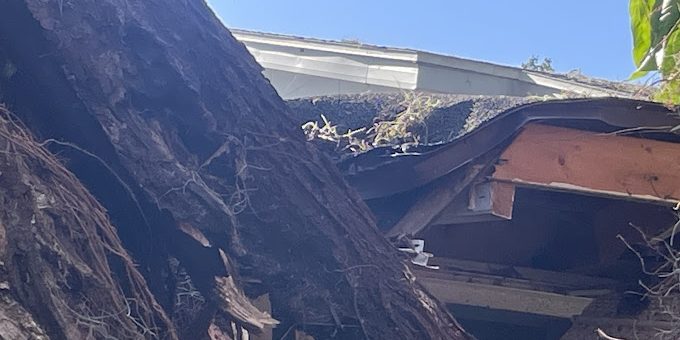
- Fallen tree removal considerations if the tree already dropped limbs or is partially broken.
2) Check the root area
- Soil heaving, exposed roots, or gaps near sidewalks and driveways.
- Fungal growth near the base that suggests decay.
- Evidence that the tree’s base has been disturbed by prior storms or landscaping work.
3) Review how close the tree is to property
Even a healthy tree can become a hazard when proximity is the issue. If a tree overhangs roofs, power lines, storage sheds, or high-traffic paths, your safest plan may involve targeted pruning or complete removal depending on the structure.
4) Decide whether related services are needed
Tree removal is not always the last step. If you are dealing with what is left behind, you may also need stump removal and site cleanup.
Stump grinding
When the stump is the main problem, stump grinding can help you reclaim usable space.
Storm damage cleanup
If wind has already broken limbs, storm damage service focuses on debris and hazard reduction.
Tree trimming for risk reduction
For trees that can be stabilized, tree trimming may address weight and clearance issues.
Main Things Customers Should Understand
Tree removal is not just “cut it down.” A good plan protects people, structures, and the surrounding landscape. Here are the factors that usually shape the decision in Valrico, TX and the surrounding areas.
Hazard level and failure risk
Hazardous tree removal is about predicting what is likely to happen in the next wind event. Dead tree removal and hazardous tree removal are often recommended when decay, cracks, or poor structural support makes failure more probable.
Health vs. safety
Sometimes a tree needs arborist services focused on health, not removal. In those cases, tree pruning or tree shaping may be the better approach. But if the trunk or root system is compromised, “healthy-looking branches” can still mask a dangerous foundation.
Clearance and property access
Access matters. Narrow gates, fences, and landscaping beds can limit how safely a tree can be taken down. That is why a representative scenario and a clear work plan are so useful for homeowners.
A practical decision table
| What you’re seeing | More likely to help | Why it matters for property protection |
|---|---|---|
| One small limb is overgrowing a roof edge | Tree trimming | Weight and clearance can often be improved without removing the whole tree. |
| Multiple dead limbs across the canopy | Tree pruning or dead tree removal assessment | Dead sections can increase breakage risk, and the “pattern” can indicate broader health issues. |
| Trunk cracks, major lean, or root disturbance | Tree removal | When the structure is compromised, trimming alone may not reduce the underlying hazard. |
| Stump is creating mowing hazards or re-growth concerns | Stump grinding | Stump removal can improve safety and usability of the area. |
| Debris already fell after a storm | Storm damage service | Immediate hazard reduction is often needed before any longer-term cleanup or removal planning. |
Representative scenario (anonymized): A Valrico homeowner noticed a tree trunk leaning slightly toward the driveway after a strong wind day. Over the next weeks, more leaves thinned on one side and a couple of small branches dropped during calmer weather. Instead of removing everything right away, the property owner wanted to know if pruning would be enough. After evaluation, the decision focused on structural risk near the driveway and the likelihood of failure in future storms.
Why This Matters in Valrico, TX
In Valrico, TX, trees often share space with driveways, fences, and older landscaping. That makes “small” problems more likely to affect property quickly. After storms, fallen limbs can become trip hazards, and damaged branches can land on roofs, vehicles, or outbuildings.
Another local reality is that many properties have established shade trees that owners want to keep when possible. The safest approach is not automatically “remove everything,” but it is also not ignoring hazard signs. A careful evaluation helps decide whether tree pruning can reduce risk, or whether tree removal and stump grinding are the better long-term protection steps.
Need a clear plan for tree removal in Valrico?
Timber Kings Tree Service can assess the condition of your tree and recommend the right next step for property protection.
Call Timber Kings Tree ServiceCommon Mistakes to Avoid
Most problems we see come from well-intended shortcuts. Here are the mistakes that can increase risk or create extra cleanup work.
Waiting too long after storm damage
If a limb broke or the tree shifted during a storm, hazard risk can continue. Waiting can turn a manageable issue into a larger one.
Assuming trimming fixes structural problems
When the trunk or roots are compromised, pruning may not address the underlying instability. That is where hazardous tree removal may be the safer choice.
Forgetting what happens after the cut
Many homeowners focus on the tree and overlook stump removal planning. Leaving a stump can create mowing hazards and re-growth challenges.
- Trying to self-handle tree cutting. Trees near property often require controlled removal techniques to protect structures and landscaping.
- Choosing the wrong service for the problem. For example, using only stump grinding when the hazard is in the canopy or trunk.
- Not considering lot and site work needs. If you are preparing the property, lot land clearing may be part of the broader plan.
Customer Checklist
Use this checklist to prepare for a tree removal discussion in Valrico, TX. The goal is to share clear details and help your arborist services recommendation match your property needs.
- Note when the issue started (after a storm, during a season, or gradually).
- List visible warning signs: lean, cracks, dead limbs, peeling bark, or exposed roots.
- Identify what the tree is near: rooflines, fences, walkways, driveways, or outbuildings.
- Take 3 to 5 clear photos from different angles (base, trunk, canopy, and property contact points).
- Mark any recent changes in the yard, including landscaping work or debris removal.
- Ask whether your situation calls for tree removal, tree trimming, tree pruning, or a combination.
- Confirm what follow-up may be needed: stump grinding or additional cleanup.
If you want to share your situation quickly, start with the tree-removal page and decide what service best matches your symptoms.
Tree removal services are designed for the cases where property protection requires more than trimming.
Frequently Asked Questions
How do I know if I need tree removal or just tree trimming?
If the main issue is clearance or shape, tree trimming or tree pruning may reduce risk. If you are seeing structural warning signs like a strong lean, trunk cracks, widespread dead limbs, or root disturbance, removal is more likely the safer option. A practical way to decide is to compare what changed over time. If the problem increased after storms or you notice new failure signals, it usually warrants a full hazard-focused evaluation rather than only cosmetic trimming.
What does stump grinding help with after tree removal?
After tree removal, the stump can remain a hazard and a nuisance. Stump grinding breaks the stump down into smaller pieces so the area is easier to manage and safer to walk or mow. It can also reduce the “problem spot” where re-growth may occur. If you are planning re-landscaping or clearing for new use, addressing the stump is often part of getting the property back into shape.
Should I handle storm damage cleanup myself?
After a storm, you may see fallen branches and broken limbs, but the hazard is not always obvious. A tree can look stable while still having compromised structure. For property protection, it is safer to focus on removing immediate debris while leaving the hazard assessment to experienced arborist services. If the tree is partially broken or leaning closer to structures, the safest next step is to have the situation evaluated so cleanup does not increase the chance of additional failure.
Can lot land clearing be part of the same plan as tree removal?
Yes. If you are changing the layout of your property, lot land clearing may include brush clearing and tree work depending on what is present. The key is matching scope to your goals. For example, some homeowners need selective removal and follow-up cleanup, while others need broader site preparation. A clear discussion about what you want to keep versus what needs to be removed helps reduce rework and keeps the project organized.
What should I ask during my tree removal evaluation?
Ask what the hazard is (structural risk, dead wood, root disturbance, or clearance issue) and what service best addresses it: removal versus trimming or pruning. You can also ask what follow-up steps are recommended for your property, such as stump grinding and cleanup. If you have specific concerns like keeping nearby plants or protecting a driveway, mention those early so the plan reflects your property priorities.
Protect your property with the right tree care step
For tree removal, stump grinding, storm damage cleanup, or tree trimming in Valrico, TX, Timber Kings Tree Service helps you move forward with a clear plan for safer outcomes.
(813) 701-0498