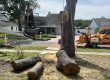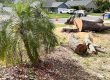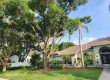
Safe Shade Restored: Tree Removal with Careful Planning
When a tree starts leaning, cracking, or dropping limbs, the decision feels urgent. This guide walks you through how careful planning supports safer tree removal, what to watch for around your home in Valrico, TX, and how to coordinate the right next steps like tree trimming, stump grinding, and land clearing.
A large tree in your Valrico, TX yard has begun to look “off.” Maybe the trunk leans slightly toward the house, or you are seeing dead branches after a windy stretch. You might also notice roots lifting a walkway or branches brushing a roof edge during storms. Even if the tree still looks mostly green, the risk can be hard to judge from the ground.
Before you schedule tree cutting, it helps to understand what “careful planning” really means. This guide explains how professionals evaluate stability, plan the work area, and choose the right approach for removal, pruning, and cleanup.
Quick Answer
If a tree shows signs of instability, deadwood, or repeated limb drop, the safest next step is a planned assessment before removal. In Valrico, TX, conditions like storm gusts and seasonal stress can make a “probably fine” tree change quickly. A careful tree removal plan considers the tree’s lean, branch weight, nearby structures, and the work zone needed for safe tree cutting. After removal, coordinate stump removal and cleanup so the property looks finished and the area is ready for landscaping or rebuilding.
What to Check First
Start with a quick homeowner scan. You do not need to diagnose the tree, but you can gather useful clues that help a professional plan the work. In Valrico, TX, many yards include mature shade trees near driveways, fences, and overhead lines, so your observations matter.
Look for clear risk signals
Check for visible cracks, a growing lean, dead branches, unusual bark damage, or fresh fungus growth near the trunk.
Map what could get hit
Note where limbs fall during storms and what sits near the tree: rooflines, sheds, patios, fences, and parking areas.
Think about access
Consider whether equipment can reach the area and whether the ground is stable enough for safe staging.
If your concern is that a tree may be unsafe after a storm, you can also review storm damage cleanup and tree support to understand what typically gets prioritized.
Main Things Customers Should Understand
Planned tree removal is not just “cut and haul.” It is a sequence of decisions that reduces risk to people, property, and the rest of your landscape. Below are the main factors professionals account for when planning tree cutting, pruning, and removal.
Professional observation: Planning starts with how the tree is likely to move. Even if a tree looks stable at first glance, the distribution of weight in the canopy and the condition of the trunk can determine the safest removal approach.
1) Tree health and structure (beyond “green vs. dead”)
Tree health assessment usually considers deadwood, crown thinning, and signs of stress that can weaken branches or the trunk. If the tree has areas that are already failing, removal may need to be staged in sections rather than taken down quickly.
2) The removal path and work zone
A careful plan accounts for where pieces will drop or be lowered. That often means clearing and protecting the work zone first, then removing the tree in a controlled sequence. This is especially important when trees are near structures or walkways where fall distance is limited.
3) Whether pruning can reduce risk (or whether removal is the right call)
Some situations call for tree trimming or tree pruning to reduce hazards and improve shape. If the problem is isolated to specific limbs, trimming may be a safer first step. For broader instability, hazardous tree removal may be the practical solution.
If you are trying to decide between removal and ongoing care, you can compare approaches by reading tree trimming services.
4) Stump removal and what comes next
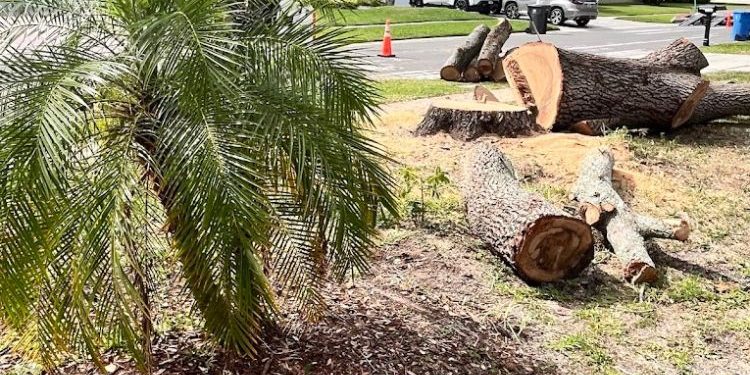
After the tree is down, the stump and roots still affect your property. Stump grinding supports safer mowing, landscaping, and foot traffic and helps prevent new sprouting. If you are planning a cleaner look after removal, review stump grinding so you can plan around the timeline for cleanup.
5) Access and property cleanup
In many Valrico yards, trees sit near fences, driveways, and landscaping beds. Planning includes how crews can safely move materials and how debris will be handled so the property is left in good condition.
| Situation you notice | What a planned approach may include | Why it matters |
|---|---|---|
| Dead limbs or crown thinning in parts of the tree | Targeted tree pruning or selective tree cutting | Reduces hazardous deadwood while keeping the rest of the tree’s structure in mind |
| Leaning trunk, cracks, or repeated limb drop | Section-by-section removal plan | Helps control where heavy pieces go during lowering and cutting |
| Stump interfering with landscaping or mowing | Stump removal or stump grinding | Supports a safer, cleaner yard finish after the tree is removed |
| Overgrowth blocking usable space | Brush clearing and lot land clearing | Prepares the property for future landscaping or construction work |
Why This Matters in Valrico, TX
Valrico, TX properties often include established shade trees that provide comfort during hot months, but storms and seasonal stress can accelerate problems. A tree that is fine one week can become hazardous after wind, heavy rain, or temperature swings that affect branch strength and soil stability. That is why the “careful planning” part matters: it helps coordinate the work around what is most likely to fail and where the debris will land.
In nearby areas, lots may be more wooded or have denser growth along property lines. If you are clearing space for a driveway, new landscaping, or general property use, consider lot land clearing as part of the larger plan.
Need help choosing the safest next step?
Timber Kings Tree Service can walk through what you’re seeing and discuss whether tree removal, tree trimming, or stump grinding fits your Valrico, TX property best.
Contact Timber Kings Tree ServiceCommon Mistakes to Avoid
Homeowners often make reasonable decisions based on what they can see from the yard. Unfortunately, tree risk is not always obvious until it is too late. Here are common mistakes to avoid when planning tree removal with care.
Waiting too long after warning signs
Dead branches, cracks, or a noticeable lean can worsen after storms. Delaying can increase the chance of unexpected limb or trunk failure.
Assuming trimming is enough
Tree pruning can help when issues are limited to specific limbs. But when the trunk or overall structure is compromised, pruning alone may not address the hazard.
Ignoring the stump and roots
Leaving a stump can create ongoing problems for mowing, landscaping, and replanting. Planning for stump grinding near the start helps the finished yard look intentional.
One firsthand-style reality check: in many Valrico tree removal jobs, the “problem tree” is not the only concern. Crew members frequently plan around nearby branches that could shift under load, plus hidden obstacles like fence posts, low limbs, and landscaping beds. That is why careful staging and a clear sequence matter.
Customer Checklist
- Write down what you’ve noticed (lean, deadwood, cracks, limb drop) and when it started.
- Take a few photos from the driveway and from ground level so the full shape is visible.
- Mark nearby features that must be protected: house corners, roof edges, fences, gates, and walkways.
- Check for overhead lines near the tree or near the area where branches might fall.
- Decide what “finished” means for you: removal only, plus stump grinding, plus brush clearing or land clearing.
- Plan for cleanup: confirm how debris will be handled and whether the area will be left ready for landscaping.
Representative scenario: a tree near the driveway after heavy wind
Picture a Valrico homeowner who hears branches crack during a windy afternoon. The tree still stands, but several limbs look broken and the crown now has dead sections. The driveway is close enough that falling pieces could strike a vehicle or the garage area. A careful removal plan would typically include a controlled sequence to lower sections safely, followed by cleanup so the driveway and yard are usable again. If the stump is left, it can also interfere with mowing and future landscaping, so stump grinding is often part of the same overall plan.
Ready to restore safe shade?
If you’re weighing Tree Removal Near Me or Tree Cutting Near Me, start with a plan that matches the tree’s condition and your property layout in Valrico, TX.
Call (813) 701-0498Frequently Asked Questions
How do I know if I need tree removal or just tree pruning?
If you are seeing dead branches, crown thinning, or damage limited to certain limbs, tree pruning or selective trimming may reduce hazards. If the trunk shows cracks, the tree leans more over time, or you notice repeated limb drop, removal is often the safer direction because the overall structure may be compromised. A practical approach is to focus on what is failing, not just what looks overgrown. In Valrico, TX, storms can reveal instability quickly, so gathering photos and describing what changed helps a professional recommend the right next step.
What’s the difference between stump grinding and stump removal?
Stump grinding is a process that grinds the stump down below the surface so it is easier to manage the yard afterward. Stump removal is often used more broadly to describe getting the stump out of a usable, safe condition. For homeowners, the practical goal is the same: avoid an obstruction that affects mowing, landscaping, and foot traffic. If you are planning new plants or hardscape, it is worth coordinating this step with the tree cutting so the work area is truly ready once the tree is gone.
Can storm damage turn a manageable tree problem into a bigger one?
Yes. After wind and heavy rain, branches that looked “okay” can break, and the stress can expose weakness in the trunk or attachment points. Even if the tree is still standing, the risk can increase if deadwood is added or if the structure shifted. That is why planned storm cleanup prioritizes what is most likely to fall and where debris needs to be controlled. If you are dealing with fallen tree removal or post-storm safety concerns, reviewing storm damage can help you think through the sequence.
Should I plan for brush clearing or land clearing with tree removal?
Sometimes the tree is only part of the property challenge. If overgrowth is blocking usable space, affecting views, or making it harder to maintain the yard, brush clearing and land clearing services may be part of the same project. This is especially common on larger lots or areas that have grown in along property lines. If your goal is a cleaner, more functional yard in Valrico, TX, it helps to decide whether you want removal only or removal plus clearing so the finished result matches your plans.
What should I ask during the planning conversation?
Ask how the plan accounts for the tree’s structure and where pieces will go during tree cutting. It is also helpful to ask what happens after removal: whether stump grinding is recommended, how cleanup will be handled, and what areas will be protected. If you have gates, driveways, or landscaping beds nearby, mention them so the work zone can be planned correctly. A clear plan helps you understand the sequence and the outcome you can expect for your Valrico, TX property.