Storms, Splits, and Fixes
When a tree cracks during a storm and suddenly looks “almost fine,” homeowners in Valrico, TX are often left deciding whether to wait, cut, or call for help. This guide walks you through what to look for after storm damage, how splits can change a tree’s risk level, and what repairs typically involve.
After a heavy wind and rain event, you step outside in Valrico and notice a neighbor’s branch on the driveway, or your own tree has a new leaning angle. The trunk might not be fully down, and the leaves may still be present. Still, the crack line looks fresh, and you can hear the tree “settling” when the wind picks up.
You want the safest plan without overreacting. The problem is that storm damage can hide inside the trunk, especially when a tree has a weak union, old stress, or a branch that carried extra weight before the weather changed.
This post helps you understand what emergency tree service usually focuses on first, how to recognize hazardous splits, and which next steps make sense for tree removal, tree trimming, stump grinding, and storm cleanup in Valrico, TX.
Quick Answer
If a tree is cracked, leaning, or has limbs hanging after a storm, treat it as a hazard until it is inspected. Start by keeping people and vehicles away from the base and the direction of any fall. Then, look for obvious indicators like fresh splitting, loose bark around a union, or blocked access paths that could complicate cleanup. For most storm-damaged situations, the practical next step is to have an arborist services team assess stability and recommend the right fix, which may include tree removal, tree cutting, or storm damage cleanup, depending on the condition.
What to Check First
After storm damage, your goal is to spot hazards early. You do not need to “solve” the tree on day one. You need to decide whether it is safe to stay near it, safe to park near it, and safe to wait for a later visit.
Professional observation: A tree that looks stable from the yard can still be compromised at the trunk or at a branch union. Cracks often widen or shift after repeated gusts, even when the canopy still looks green.
1) Check the trunk and branch unions for fresh failure
Look for a visible split line, bark peeling around a connection point, or a trunk that has changed its angle compared to before the storm. Splits can behave like hinges, especially if the damaged area is loaded by remaining weight.
2) Check what the tree is “touching”
Any contact with roofs, fences, power lines, sheds, or vehicles changes the risk. Even if the tree has not fallen completely, the contact point can become a pinch point during movement.
3) Check the ground and access
Storms can loosen soil around roots and create uneven ground. If your driveway is blocked or the trunk is near a path, you may need land clearing services for safe access before you can safely address the tree.
4) Decide whether the right next step is trimming or removal
Tree pruning and tree shaping can be helpful for certain branches, but a compromised trunk or hazardous tree removal scenario usually requires a different approach. A site assessment is the clean way to match the fix to the actual damage.
Tree Trimming
Best when the structure is still sound and the issue is limited to limbs or canopy balance. Learn more about tree trimming.
Storm Damage Cleanup
For broken limbs, hanging branches, and post-storm hazards. See storm damage services.
Emergency Tree Service
If the tree is actively risky or access is impacted, start with emergency tree service.
Main Things Customers Should Understand
Most “storm split” problems are not just about the visible crack. They are about remaining structure, load paths, and whether the tree can be made safe without creating a bigger failure later.
Splits often start at weak points
Some trees have included bark, old wounds, or branch unions that were never as strong as they looked. When wind and rain add force, the weakest point can fail first. That is why two trees can look similar after a storm, but only one is safe to keep.
“Hanging” limbs can be the real danger
A limb that is still attached can swing or drop as tension changes. If you see limbs that are partially detached, do not attempt to pull or cut them without a proper plan. Hanging material can also complicate tree cutting and cleanup.
Fixes may include cutting, removal, and follow-up
Depending on what is damaged, the solution can include tree removal, tree cutting, and then stump removal later. If you are dealing with the remnants after removal, stump grinding is often the next step for restoring usable space.
| What you notice after the storm | What it may mean | Common next step |
|---|---|---|
| Fresh split line in the trunk | Potential structural failure at a weak union or load-bearing area | Hazard assessment and likely tree removal or controlled tree cutting |
| Hanging branches or limbs near fences/structures | Material is under tension and may drop as winds change | Storm damage cleanup with safe removal planning |
| Canopy looks okay, but the base is uneven or soil is disturbed | Roots may have been loosened or the tree may be leaning | On-site stability check before deciding trimming vs removal |
| Tree is removed and you need the yard back | Remaining stump can interfere with mowing, landscaping, or future planting | Stump removal through stump grinding |
| Debris blocks access to the property or driveway | Cleanup may require more than limb removal | Storm damage cleanup and, if needed, lot land clearing |
Why This Matters in Valrico, TX
In Valrico, TX, storms can leave yards with mixed damage: limbs down in open areas, but also structural issues near older landscaping, mature trees, and established property lines. Many residential lots here have overhead clearance needs for driveways, garages, and backyard access. When a split happens, the hazard is not only the tree itself. It is also the path you need to walk, mow, or move equipment.
If you are planning residential tree service or commercial tree service around the same time, getting the hazard under control first helps reduce delays. After cleanup, routine tree care services like tree pruning and tree health assessment can help you decide what to keep and what to address before the next weather event.
Local focus: After storms in Valrico, TX, homeowners often need a safe, debris-free path quickly so they can access the yard, manage landscaping, and keep driveways usable.
Common Mistakes to Avoid
Even careful homeowners can make choices that increase risk or lead to unnecessary work. Here are a few common mistakes we see after split trees and storm damage.
1) Waiting too long because the tree still has leaves
Leaves do not confirm structural safety. A compromised trunk can fail later as stress changes. If you see a split or a shift in angle, treat it as urgent.
2) Attempting to “help it fall”
Pulling, cutting at random points, or trying to guide a limb can worsen the failure and create new hazards. This is especially true when the load is hanging or the crack is reopening.
3) Cutting only the visible limb, not the hazard
A hanging branch might be the most visible part, but the instability can be higher or deeper in the trunk. A proper tree health assessment considers the whole load path, not just the broken piece.
4) Forgetting what happens after removal: stumps and regrowth
Once the tree is removed, homeowners often focus on clearing the canopy but leave the stump behind. If you want the space usable again, stump grinding and stump removal planning matters. If the area needs broader cleanup, consider lot land clearing for full property restoration.
Customer Checklist
- Keep people and pets away from the base and the direction of any leaning or hanging material.
- Do not park vehicles under the canopy or near the crack line.
- Look for fresh splitting, bark peeling at unions, and any limb that appears partially detached.
- Check for blocked access to driveways, gates, or walkways caused by fallen limbs.
- Separate the problem into steps: hazard assessment first, then cleanup, then follow-up (like stump grinding if needed).
- Choose the right service for the job, such as emergency tree service for unstable trees or storm damage cleanup for broken limbs.
Representative scenario: the “almost stable” split
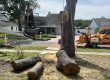
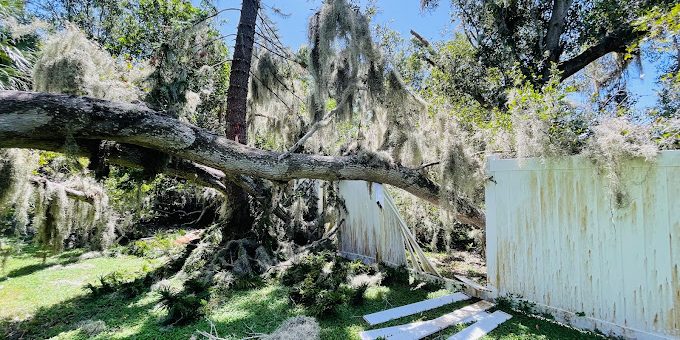
One Valrico homeowner called after a storm because a large limb had split from the main trunk. From the sidewalk, the tree looked mostly upright, and the canopy still had leaves. But when winds picked up, the crack line opened slightly, and a portion of the limb shifted against a nearby fence panel. The safest path forward was a full hazard review at the trunk and union, followed by controlled removal of the compromised section and debris cleanup.
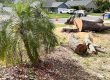
After the hazardous material was addressed, the property could return to normal use. For the remaining stump area, stump grinding helped restore a clean yard surface and reduced ongoing maintenance headaches.
Need help deciding what to do after a storm split?
If the tree is cracked, leaning, or has hanging limbs, a quick on-site assessment helps you choose the right fix and avoid unnecessary risk. Call Timber Kings Tree Service in Valrico, TX.
(813) 701-0498Frequently Asked Questions
How do I know if storm damage means tree removal or just trimming?
It depends on what failed and where. If you see a fresh split in the trunk or an included union that looks like it is opening, the tree may be unstable even if the canopy still looks full. Tree trimming and tree pruning are more likely when the structure is intact and the issue is limited to limbs or canopy balance. An on-site tree health assessment can confirm whether the hazard is structural, localized, or both, which is the key to choosing between tree removal and trimming.
What should I do while waiting for storm cleanup in Valrico, TX?
Keep people and pets away from the base of the tree and avoid walking under any hanging limbs. Do not try to pull, cut, or relocate branches on your own, especially when a crack is visible or the limb is under tension. If debris blocks your driveway or a path, plan around that access limit. Once the hazard is addressed, you can think about follow-up work like lot land clearing or stump grinding to restore the space safely.
Can a cracked tree recover if I only remove the broken limb?
Sometimes, but not always. Removing a broken limb may reduce immediate weight, but it does not fix a compromised trunk or weak union if the failure is structural. That is why a professional assessment matters. If the crack indicates ongoing instability, removal of the hazardous portion may be the safer choice. If the structure is sound, tree pruning or crown reduction and crown thinning may be considered as part of a longer-term tree care plan.
When do I need stump grinding after tree cutting?
After tree removal or tree cutting, the stump can still interfere with mowing, landscaping, and future planting. If you want the area to look clean and function normally again, stump grinding is a common follow-up step. It is also useful when you need stump removal to regain usable space in a yard or commercial area. If the storm damage involved more than one tree or significant debris, lot land clearing may be coordinated with stump grinding for a complete property reset.
What services are most relevant for storm damage cleanup?
Storm damage cleanup often includes removing fallen limbs, addressing hanging or partially detached branches, and handling the hazardous sections that could shift during winds. Depending on what is damaged, the response may involve emergency tree service, tree removal, or controlled tree cutting. After cleanup, you may also need stump grinding and, for larger debris fields, land clearing services such as lot land clearing or brush clearing. The right mix depends on what the storm actually damaged on your property.
Get the right storm-damage plan for your property
For cracked trunks, splits, or hazardous branches in Valrico, TX, Timber Kings Tree Service can help you move from uncertainty to a clear next step. If you are dealing with debris and access issues, we can also coordinate related work like lot land clearing.
Schedule emergency tree service