Tree Removal Planning: Safety First, Clean Results
A mature oak leaning toward a storefront on State Road 60. A storm-damaged pine hanging over a Valrico parking lot. A decaying laurel oak dropping limbs near a daycare. Property managers across Eastern Hillsborough County face the same challenge: how do you remove a problem tree without risking injuries, property damage, or days of disruption?
According to the Tree Care Industry Association, tree work consistently ranks among the most hazardous trades in the U.S., with thousands of emergency room visits every year from improper tree cutting. In Florida, add hurricane-force winds, saturated soils, and fast-growing species, and the risk grows even higher. For Valrico businesses and homeowners, safe, well-planned tree removal is not just a maintenance task—it’s a risk management strategy.
This guide walks you through how professional planning turns a hazardous tree into a clean, efficient project. You’ll learn how to recognize risk, what a safety-first plan looks like, how modern equipment and methods protect your property, and how to leave your site cleaner and safer than before.
Key Insight: Thoughtful planning and certified expertise transform tree removal from a risky, disruptive event into a controlled process with predictable, clean results.
Seeing the Whole Picture: Assessing Tree Risk Before a Single Cut
Safe tree removal starts long before a chainsaw ever starts. A qualified assessment looks at the tree, the site, and the surrounding use of the property. In Valrico, where live oaks, laurel oaks, and pines dominate commercial and residential landscapes, each species behaves differently under stress.
A certified arborist begins with a tree health assessment:
- Structural defects (cracks, cavities, co-dominant stems)
- Root problems (heaving soil, girdling roots, construction damage)
- Crown issues (deadwood, decay, poor previous pruning)
- Targets (buildings, parking lots, power lines, play areas)
“Every removal decision is really a risk decision. We’re asking: what can this tree hit, and what happens if it does?” — ISA Certified Arborist
For example, a Valrico office park called after noticing a subtle lean in a large laurel oak near their main entrance. A quick glance suggested it was fine, but a closer inspection found advanced root decay and a crack at the base. The building manager initially asked for Tree Trimming, but the assessment showed that trimming wouldn’t address the underlying hazard. Planning shifted to safe removal instead of cosmetic pruning.
A thorough assessment also identifies whether Tree Removal is truly necessary or if structural pruning, cabling, or Tree Pruning can extend the tree’s life safely. That balance between preservation and safety is where certified expertise matters most.
Designing a Safety-First Removal Plan for Your Property
Once removal is confirmed, planning becomes all about controlling risk. A professional crew doesn’t simply show up and start cutting; they design a site-specific plan based on industry standards such as ANSI Z133 (Safety Requirements for Arboricultural Operations).
A safety-first plan typically includes:
- Drop zones and rigging paths for limbs and trunk sections
- Protection for structures, vehicles, landscaping, and hardscapes
- Traffic and pedestrian control for busy driveways or sidewalks
- Utility coordination if lines are nearby
- Equipment access points and staging areas
In Valrico, many commercial sites have tight access, shared parking, and constant traffic. One retail center off Lithia Pinecrest Road needed a large hazardous tree removed between the building and the parking lot, with only a narrow driveway for access. Cutting it from the ground was too risky.
The solution was a crane-assisted removal. The team used a detailed lift plan, closed off sections of the lot in phases, and removed the tree in carefully rigged sections directly into a chipper and log truck. The center stayed open, and customers could still access most stores throughout the day.
CALLOUT: A written plan and pre-job safety briefing are strong indicators you’re working with a professional crew, not a “pickup and chainsaw” operation.
By mapping out every step—how each limb will be lowered, where equipment will sit, how debris will be handled—a well-planned removal minimizes surprises and keeps your property protected.
Modern Techniques vs. Old-School Cutting: Choosing the Right Approach
Not all tree removals are created equal. The method used has a major impact on safety, cost, and the condition of your site afterward. Traditional “cut and drop” methods are rarely appropriate in developed areas like Valrico, where structures and utilities are everywhere.
Here’s how traditional approaches compare with modern, professional methods:
| Approach | Traditional “Cut & Drop” | Modern, Planned Removal |
|---|---|---|
| Safety Risk | High – uncontrolled falls | Low – controlled rigging and sectioning |
| Property Protection | Limited; higher chance of damage | High; uses ropes, cranes, and mats |
| Disruption | Often chaotic and noisy | Scheduled, phased, and coordinated |
| Equipment | Basic chainsaws, ladders | Bucket trucks, cranes, rigging systems |
| Clean-Up Quality | Variable; debris often left behind | Full cleanup with chipping and hauling |
| Best For | Open rural spaces | Residential & commercial properties in town |
One Valrico homeowner with a tight backyard originally hired a low-bid tree cutter who planned to fell a large pine in one piece toward a small “open” area. A neighbor intervened and suggested they get a second opinion. A professional crew instead used technical rigging, lowering each section over the fence line, avoiding the pool, screen enclosure, and irrigation system. The job took longer, but the property came through without a scratch.
Modern Tree Cutting prioritizes:
- Climbing with ropes and saddles or using bucket trucks
- Rigging systems to lower wood safely
- Crane assistance for large or hazardous removals
- Ground protection mats to avoid rutting and damage
For businesses and HOAs, this difference isn’t just about safety; it’s about preserving the look and function of your property, avoiding liability, and keeping operations running smoothly.
From Stump to Storm Season: Planning Beyond the Removal Day
A clean result means more than just getting the tree down. It includes what happens below ground and how your property will perform in the next storm. That’s where stump work and post-removal planning come in.
After a tree is removed, you have three main options:
- Leave the stump in place (cheapest, but not ideal near walkways or lawns)
- Have the stump cut low and left
- Schedule Stump Grinding for a flush, replant-ready finish
For a Valrico daycare, a large dead tree near the play area had to go. Leaving a high stump would have created a trip hazard and an eyesore. The owner chose full Stump Removal via grinding to about 12 inches below grade, allowing them to re-sod the area and restore safe play space quickly.
Thinking beyond removal also means looking at:
- Wind exposure changes (other trees now take more wind load)
- Drainage patterns (root systems that once absorbed water are gone)
- Replacement planting options with better structure and storm resistance
For many Valrico properties, a thoughtful replacement plan might favor wind-firm species and future-friendly Tree Shaping and crown management, reducing the need for future emergency work.
“Removing a tree is only half the story. What you plant and how you manage what’s left determines your next 10–20 years of risk.” — Local Certified Arborist
Storm Damage, Emergencies, and Planning for the Worst Day
Hillsborough County knows storm season all too well. One night of severe weather can undo years of careful landscape planning. While no one can prevent every failure, proactive planning dramatically reduces the need for urgent Emergency Tree Service.
Two kinds of planning matter here:
- Pre-storm preparation:
- Proactive Crown Reduction and structural pruning
- Removing dead or compromised trees before hurricane season
- Addressing over-extended limbs over roofs and parking lots
- Post-storm response planning:
- Knowing who to call before the storm hits
- Understanding how Hazardous Tree Removal is prioritized
- Coordinating access for bucket trucks and chipper trucks
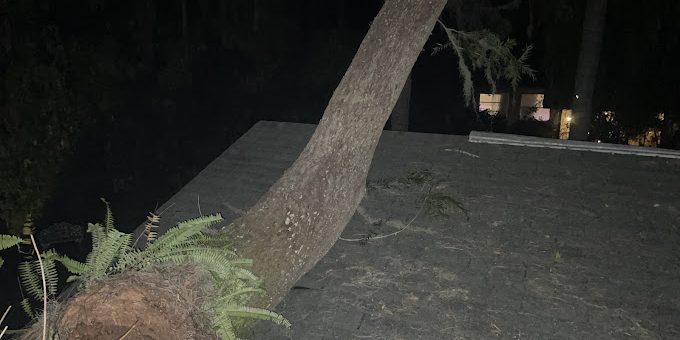
In a recent summer storm, a Valrico HOA saw three large pines uprooted, one blocking the entrance road and another leaning on a perimeter fence. Because the HOA had a standing relationship with a local tree service, crews were on site within hours, performing Storm Damage cleanup and Fallen Tree Removal while coordinating with residents and emergency vehicles.
For businesses, the cost of downtime can far exceed the cost of planned removal. A restaurant with a blocked entrance or a strip center with damaged signage loses revenue every hour the site isn’t accessible.
CALLOUT: Having a trusted partner for emergency response is just as important as having a fire extinguisher or alarm system. You hope you never need it—but when you do, you need it fast.
Lot and Land Clearing: Scaling Up Without Sacrificing Safety
Tree removal planning changes again when you move from a single tree to entire lots or development sites. Whether you’re preparing a new commercial build in Valrico or reclaiming an overgrown residential parcel, professional Lot Land Clearing and Land Clearing Services can save time and prevent costly mistakes.
Key considerations for larger projects include:
- Preserving key specimen trees for shade and aesthetics
- Complying with local tree ordinances and permits
- Erosion control and site access planning
- Efficient Brush Clearing and debris management
Here’s a quick comparison of two common clearing approaches:
| Factor | Basic Bulldoze & Push | Planned Clearing & Forestry Mulching |
|---|---|---|
| Tree Preservation | Minimal; many trees damaged | Selective; saves high-value trees |
| Root/Soil Disturbance | High; compacts soil | Lower; targeted removals |
| Debris Handling | Large piles, haul-off required | Chips/mulch often left on site |
| Aesthetic Outcome | Rough, needs extra grading | Cleaner, easier to transition to build |
| Long-Term Tree Health | Often compromised | Better protection for retained trees |
A Valrico builder working on a small office complex chose a planned clearing approach. Instead of wiping the site clean, they coordinated with arborists to retain several live oaks at the property edge, using careful Crown Thinning and protection zones during construction. The result was a new building that looked “settled in” from day one, with mature shade trees and a more appealing streetscape—without compromising safety.
What This Means for Businesses in Valrico, FL
For Valrico businesses, HOAs, and property managers, tree removal is not just a line item—it’s part of a broader strategy to protect people, property, and brand reputation.
Safe, well-planned removal helps you:
- Reduce liability from dead or hazardous trees near public areas
- Protect buildings, vehicles, and infrastructure from falling limbs
- Avoid costly downtime after storms or unexpected failures
- Preserve the look and value of your property with clean, professional results
Local factors make this even more urgent:
- Fast-growing species like laurel oaks often develop internal decay by mid-life.
- Saturated soils during rainy season weaken root systems, increasing failure risk.
- Valrico’s mix of older neighborhoods and new developments means many trees are either aging out or under construction stress.
A thoughtful approach that combines Tree Removal, preventive Tree Care Services, and strategic replacement planting gives you a more resilient landscape and fewer surprises during storm season.
For many local businesses, the most valuable outcome isn’t just a removed tree; it’s the confidence that the work was done safely, to industry standards, and with minimal disruption to daily operations.
Frequently Asked Questions
Q: How do I know if a tree on my Valrico property really needs to be removed?
A: The decision to remove a tree comes down to risk, health, and location. Warning signs include large dead limbs, visible decay or cavities, mushrooms at the base, sudden leaning, or roots lifting sidewalks or structures. A certified arborist can perform a detailed Tree Health Assessment and weigh options like Tree Pruning, cabling, or partial removal. In many cases, especially with older laurel oaks common in Valrico, internal decay makes Dead Tree Removal the safest choice. The key is to assess the tree before storm season, when scheduling is easier and risks are lower.
Q: What’s the difference between trimming a tree and removing it for safety?
A: Tree Trimming or pruning focuses on improving structure, removing deadwood, and reducing weight in targeted areas, often through Crown Reduction or thinning. It’s a preventive measure used for healthy or moderately compromised trees. Tree Removal is recommended when a tree poses an unacceptable risk—due to severe decay, root failure, storm damage, or poor structure—that pruning cannot correct. A certified arborist will explain the trade-offs, including long-term safety, cost, and the impact on your property’s appearance.
Q: How much does professional tree removal cost in the Valrico area?
A: Costs vary widely based on tree size, location, condition, and access. A small, easily accessible tree away from structures will be far less than a large, hazardous oak overhanging a building or power lines. Use of cranes, complex rigging, or Emergency Tree Service after storms can also affect price. While budget quotes are tempting, underpriced work often skips critical safety measures and proper insurance. Reputable companies provide detailed estimates outlining the scope—removal, debris hauling, optional Stump Grinding Near Me—so you can compare value, not just numbers.
Q: Do I really need stump grinding, or can I leave the stump?
A: You can leave a stump, but it comes with trade-offs. Stumps near walkways, parking lots, or play areas create trip hazards and can attract pests like termites or ants. In lawns, they make mowing difficult and may sprout new shoots. Stump Grinding is the most common solution, reducing the stump below grade so you can re-sod, replant, or hardscape the area. For many Valrico properties, especially front yards and commercial entrances, clean Stump Removal is worth the modest additional cost for safety and curb appeal.
Q: How quickly can you respond to a fallen tree after a storm?
A: Response time depends on the severity of the event and call volume, but established customers and clear hazards usually receive priority. During major storms, professional crews focus first on Emergency Tree Service—clearing blocked driveways, entrances, and trees on structures—before moving to non-critical work. For Valrico businesses, having a pre-existing relationship and a documented property plan helps crews mobilize faster and work more efficiently. If you know you have vulnerable trees, addressing them before hurricane season is the best way to avoid urgent, higher-cost Storm Damage response.
Q: Can you help with both residential and commercial properties?
A: Yes. Professional Residential Tree Service and Commercial Tree Service share the same core safety standards but differ in logistics and priorities. Commercial sites in Valrico often require off-hours scheduling, coordination with tenants, traffic control, and strict cleanup standards. Residential work may focus more on protecting landscaping, fences, and pools. In both cases, a certified arborist can recommend tailored solutions—from selective pruning and Tree Shaping to full Lot Land Clearing—based on how the space is used.
Q: What qualifications should I look for in a tree removal company?
A: At minimum, look for proper licensing, liability insurance, and workers’ compensation coverage. Beyond that, prioritize companies with ISA Certified Arborists on staff, experience with Hazardous Tree Removal, and equipment suitable for your site (bucket trucks, cranes, chippers). Ask if they follow ANSI Z133 safety standards and if they provide written estimates and job plans. Local experience in the Valrico area is also important; crews familiar with our soils, species, and storm patterns are better equipped to recommend the right combination of Arborist Services and removals.
Ready to Get Started?
The safest, cleanest tree removal jobs don’t happen by accident—they’re the result of careful planning, certified expertise, and the right equipment. In Valrico, where severe storms and aging trees are a fact of life, waiting until “something happens” can turn a manageable issue into an emergency.
If you’ve noticed leaning trunks, dead limbs, or trees too close to structures or power lines, now is the time to schedule an assessment, not after the next storm warning. A professional team can help you prioritize which trees need Tree Removal Near Me, which can be made safer with strategic pruning, and how to handle stumps and future planting.
Timber Kings Tree Service offers full-service planning and execution—from risk assessment and Tree Trimming Near Me to complex removals, Stump Grinding, and Storm Damage response—backed by proper insurance, training, and years of local experience. Reach out today to schedule a consultation and put a safety-first plan in place for your property.
About Timber Kings Tree Service
Timber Kings Tree Service is a locally owned and operated tree care company serving Valrico, FL, and surrounding communities. With experienced crews, certified professionals, and a full fleet of modern equipment, Timber Kings provides safe, efficient Tree Care Services including removals, pruning, Stump Grinding, Land Clearing Services, and Emergency Tree Service. The team is committed to industry best practices, clear communication, and treating every property as if it were their own. Learn more about their services at Timber Kings Tree Service.