Emergency Tree Service Cleanup
When a storm drops limbs, topples branches, or leaves trees leaning dangerously in Valrico, TX, cleanup is more than hauling debris. This guide helps you sort what to address first, what signs mean a hazardous tree, and how tree removal, trimming, stump grinding, and storm damage cleanup work together so your property is safer and easier to restore.
After last night’s storm, you step outside in Valrico and notice branches on the driveway, a tree that looks “off” compared to yesterday, and a mess of broken limbs near landscaping. You want it cleared quickly, but you also worry about what is still unstable beneath the surface.
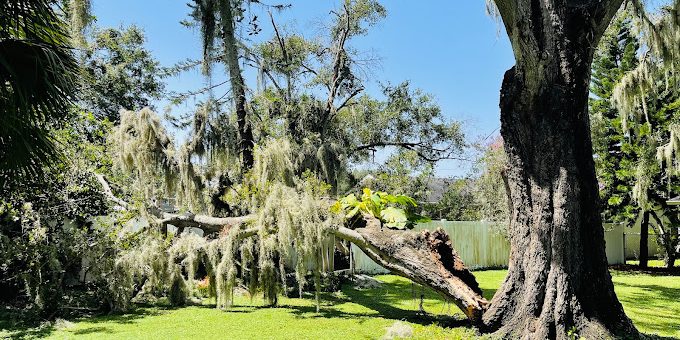
Maybe your fence is partially down, or a limb is hanging low enough that someone could trip or get hurt. Storm debris can also create new risks, like blocked walkways, damaged roofs, and branches that continue to shift as the wood dries and settles.
This guide will help you understand what to check first, how to decide between tree cutting, tree trimming, and full removal, and what to do about stumps and regrowth after storm damage. You’ll also get a customer checklist you can use right away.
Quick Answer
If your tree looks cracked, leaning, uprooted, or branches are hanging in a way that could shift, treat it as hazardous and focus on safety first. Start by keeping people and pets away from the area, then look for obvious damage to homes, fences, and power lines. For cleanup and repair planning, a professional storm damage assessment helps determine whether you need tree removal, tree trimming, or staged tree cutting. After the storm debris is handled, stump removal and stump grinding can help prevent regrowth and make the yard easier to re-landscape. Contact Timber Kings Tree Service when you need a clear plan for storm aftermath cleanup in Valrico.
What to Check First
Right after a storm hits Valrico, your first job is to reduce risk. Even if the worst part looks “over,” trees and branches can keep moving as wind loads change, wood dries, and weight shifts.
Professional observation: In storm aftermath cleanups, the biggest safety surprises are often the branches that look “resting” but are still connected in a way that can fail during cleanup or as temperatures change.
1) Safety perimeter and access
Walk your property slowly and decide where you can safely stand. Keep clear of areas under hanging limbs, near cracked trunks, and anywhere ground looks lifted around roots. If the debris blocks a walkway or access point, treat it as a safety hazard until it is cleared.
2) Signs a tree needs removal, not just trimming
Tree trimming helps when limbs are the only issue. But storm-damaged trees often require full removal when you see:
- A trunk that is split, with visible separation or “open” cracks
- A tree leaning more than it did before the storm
- Roots pushed up and ground that looks unstable
- Multiple large limbs broken at different angles
- Dead tree removal needs, such as dry, brittle sections that can drop
3) Property damage you should document
Note areas where limbs struck roofs, gutters, fences, or landscaping. Taking a few photos from a safe distance helps you explain the situation to your tree care team and supports a more accurate storm damage plan.
Tree cutting
When limbs and sections must be reduced to remove danger and clear access.
Tree trimming
For targeted limb removal when the trunk and structure are still stable.
Stump grinding
After debris is gone, grinding helps eliminate remaining stumps and roots.
Main Things Customers Should Understand
Storm cleanup is really a sequence. In Valrico neighborhoods, many yards include mature shade trees, older fence lines, and established landscaping that takes time to restore. A good plan avoids repeated returns and reduces the chances of leaving unstable material behind.
How crews typically approach storm aftermath
Timber Kings Tree Service plans cleanup so it is safe for your property and practical for getting your yard back to normal. Depending on what the storm caused, the process may include:
- Assessment: identifying which sections are hazardous and which areas can stay.
- Debris removal: removing fallen and broken limbs, plus clearing walkways and drive paths.
- Tree cutting and/or tree removal: addressing unstable trunks, large broken limbs, and leaning trees.
- Stump removal: handling remaining stumps so they do not become future hazards.
- Site cleanup and restoration: leaving the area ready for landscaping or further yard work.
Decision-focused tip: If you are unsure whether you need tree removal near Valrico or only trimming, start with structure. If the trunk or root system looks compromised, trimming alone usually does not solve the underlying risk.
Representative scenario (anonymized)
After a heavy storm in Valrico, a homeowner noticed several large limbs down near a side gate. One nearby tree had a visible crack at the trunk and the canopy looked lopsided compared to before. Initial cleanup cleared the driveway, but the tree still showed signs of instability. A storm damage cleanup plan included targeted tree cutting for the broken limbs, followed by removal of the compromised section. Afterward, stump grinding helped eliminate the remaining stump that would have interfered with future landscaping and created a long-term trip hazard.
Tree trimming vs. tree removal: a quick decision table
| What you see after the storm | Most likely solution | Why |
|---|---|---|
| Broken branches with an intact trunk | Tree trimming or targeted tree cutting | The structure can often be stabilized by removing damaged limbs without removing the whole tree. |
| Leaning trunk or visible trunk splitting | Tree removal | Storm forces can compromise stability below what you can see, making removal the safer choice. |
| Roots lifted and ground that looks shifted | Tree removal (often staged) | Uprooted trees may move during cleanup. A planned removal reduces risk during debris handling. |
| Stump left behind after debris is cleared | Stump grinding / stump removal | Grinding reduces trip hazards and helps prevent regrowth issues that can follow storm damage. |
Why This Matters in Valrico, TX
In Valrico, yards often include established shade trees and mature landscaping that can take a hit during windy storm seasons. After a storm, limbs can land across driveways, block access to gates, and create hazards along property edges. If you are planning restoration, clearing storm damage correctly also helps you avoid delays when you want to mow, replant, or complete land clearing work.
One local reality we see: older trees can have natural weaknesses that become obvious after wind and impact. Even if a limb looks “mostly fine,” storm damage can change load distribution in the canopy. That is why a careful storm damage assessment matters before you decide between tree trimming and removal.
Common Mistakes to Avoid
Homeowners in Valrico often want to handle the mess quickly. The issue is that storm cleanup mistakes can turn a property inconvenience into a safety problem or add extra repair work later.
- Rushing into the debris field: Hanging limbs and compromised trunks can shift during cleanup. Keep people away until hazards are evaluated.
- Assuming trimming fixes everything: If the trunk or root area is compromised, tree trimming alone may not remove the hazard.
- Ignoring stumps after cleanup: Leaving stumps can create long-term trip hazards and make future landscaping more difficult. Consider stump grinding once the tree work is complete.
- Clearing the yard without a plan: Pulling down branches that are still attached can spread damage and create additional unstable sections.
- Forgetting the rest of the property: Storm debris can also affect fence lines and paths. A full cleanup plan helps you restore safe access.
Need a clear storm aftermath cleanup plan in Valrico?
If you are deciding between tree removal, tree trimming, and stump grinding, Timber Kings Tree Service can help you map out next steps for your property.
Call Timber Kings Tree ServiceCustomer Checklist
Use this checklist as you assess storm aftermath cleanup needs around your home in Valrico, TX. It is designed to help you communicate clearly and prioritize safety.
- Keep people and pets away from hanging limbs, cracked trunks, and lifted ground around roots.
- Confirm whether any branches are blocking driveways, gates, or walkways and treat those areas as unsafe.
- Look for visible trunk splitting, leaning, or uprooting, which often indicates hazardous tree conditions.
- Document property damage (roof, gutters, fence lines) with photos from a safe distance.
- Plan for the full sequence: debris removal first, then tree cutting or tree removal, then stump grinding.
- If storm debris leaves the yard cluttered, consider broader cleanup needs such as lot land clearing for easier restoration.
Frequently Asked Questions
How do I know if I should call for emergency tree service cleanup or just wait?
If the tree is leaning, has visible cracks, or you see roots lifted or ground shifted, it is smart to get help quickly because conditions can change as debris dries and settles. If limbs are hanging over a driveway or pathway, treat it as a safety concern. Waiting is more reasonable when the storm caused only minor branch debris and the trunk and root area look stable. When in doubt, a storm damage assessment can clarify whether tree trimming is enough or whether tree removal is the safer option for your property in Valrico.
Will tree trimming help after storm damage, or do I need tree removal?
Tree trimming is typically a good fit when the trunk and overall structure appear intact and the damage is limited to broken or overextended limbs. If you see trunk splitting, heavy canopy imbalance, or signs the root area was disturbed, removal is often the safer solution. Storms can shift weight and create stress points you cannot fully judge from the ground. A professional assessment helps determine the safest approach so you do not pay for partial cleanup that leaves hazards behind.
What happens to the stump after fallen trees are removed?
After tree cutting or tree removal, stumps usually remain unless they are handled. Many homeowners choose stump grinding to reduce trip hazards, prevent regrowth issues, and make mowing and re-landscaping easier. If your yard restoration includes leveling areas for new landscaping or improving sightlines around the property edges, stump removal can be part of the overall plan. For Valrico properties, scheduling stump grinding after the main storm cleanup helps keep the site safe and easier to work on.
Can storm debris create problems even after the yard looks “cleaned up”?
Yes. Some hazards are not immediately obvious, especially when limbs are still attached in a way that could fail during cleanup or as weather changes. Also, leftover stumps and broken root sections can create ongoing obstacles. If your cleanup involves more than a few branches, a planned approach helps ensure the structure is addressed, not just the visible debris. That is why combining storm damage cleanup with the right next steps, like storm damage evaluation and stump grinding, often leads to a cleaner, safer result.
What should I do first if the storm knocked branches onto my property access?
Start by keeping access areas clear for safety. Avoid moving heavy limbs by hand, especially if they are still connected to a compromised tree. Take a few photos from a safe location so you can explain the situation, then prioritize clearing the route to keep your home and driveway usable. For larger debris fields, a coordinated cleanup plan can reduce the risk of additional damage to fences, landscaping, or structures. In Valrico, this is where professional storm aftermath rescue helps you get safe access back without guessing.
Get back to normal with storm aftermath cleanup from Timber Kings
Whether you need emergency tree service cleanup, tree cutting, or stump grinding in Valrico, TX, Timber Kings Tree Service helps you make the right call for your property after storm damage.
Contact for Tree Removal
