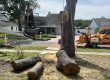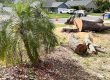
Emergency Tree Removal After Storm Damage: What To Do
If a tree has split, fallen, or is leaning after a storm, the next steps matter. This guide walks you through what to check around your home in Valrico, TX, what to avoid while the situation is still unstable, and how to plan safe tree care so the damage does not get worse.
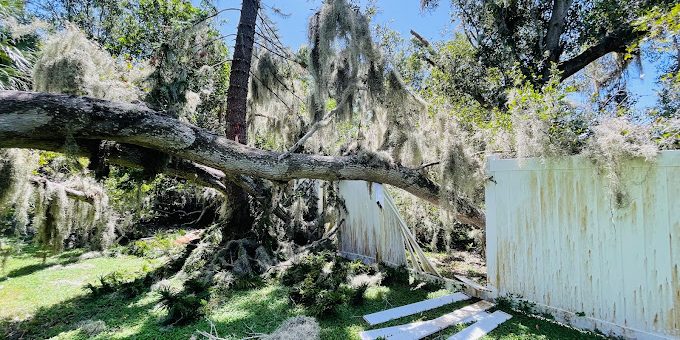
After a storm, you might notice branches down across a driveway, a tree that looks “almost” down, or a trunk that is visibly cracked. In Valrico, TX, where many properties are surrounded by mature shade trees, wind can expose weak spots fast, especially when the ground is saturated or branches are already stressed.
Homeowners often worry about power lines, roof damage, and whether the tree is truly stable. This guide helps you understand what to check first, how to reduce risk while you wait for professional help, and what types of services may be needed, from tree removal and tree cutting to stump removal and storm damage cleanup.
- Quick answer
- What to check first
- Main things customers should understand
- Why this matters in Valrico, TX
- Common mistakes to avoid
- Customer checklist
- Frequently asked questions

Quick Answer
If a tree is down or leaning after storm damage, treat it as unstable until it is assessed by a professional. Keep people and pets away from the area, avoid touching branches or broken limbs, and watch for hazards like power lines, hanging limbs, and shifting trunks. Your best next step is to contact an emergency tree service so an arborist can evaluate the hazard and determine whether tree removal, tree cutting, stump grinding, or additional cleanup is needed. If power lines are involved, do not approach the tree and prioritize electrical safety.
What to Check First
Start with safety and simple observation. You do not need to “fix” anything right away, but you do need to decide whether the situation is immediately dangerous. In most storm scenarios, the biggest risk is movement, because wind and weight shifts can cause more cracking after the initial impact.
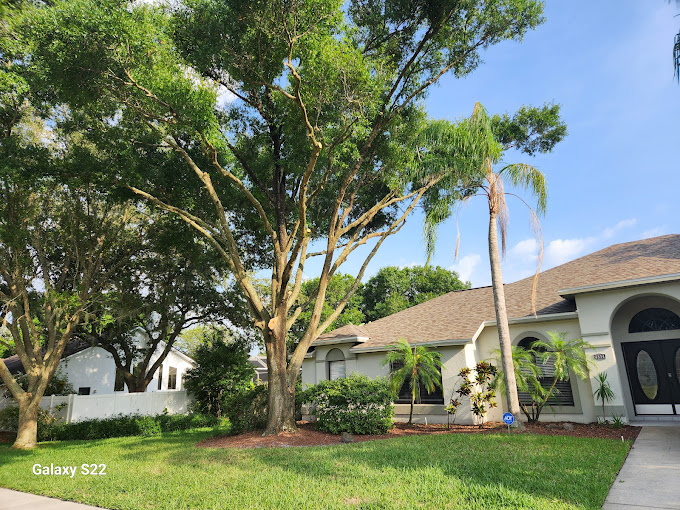
Professional observation: After storms, the visible damage is often only part of the problem. A tree can look “mostly fine” while the root plate is compromised or the trunk has internal fractures that fail later under wind or vibration.
Before anyone goes near the tree, scan the area for these common hazards:
- Power lines: If any limb or trunk is touching or near lines, keep everyone away and do not attempt to move the tree.
- Hanging limbs: Limbs may be suspended under tension. A small movement can release them.
- Trunk movement: If the tree is leaning or rocking, do not test it. Movement is a sign it may shift further.
- Pathways and exits: Blocked doors, driveways, and walkways can create unsafe travel inside your property.
- Secondary hazards: Watch for broken glass, exposed nails in debris, or damage to fences and structures.
If you need to get the area safe for daily life, you will likely be looking at storm damage cleanup or emergency tree service assessment. Those services are designed around stabilizing the site and removing the hazard without unnecessary risk.
Main Things Customers Should Understand
Once the immediate safety issues are addressed, the real work begins: figuring out what the storm actually damaged and what needs to happen next to prevent further problems. This is where an on-site tree health assessment and hazard evaluation matters.
1) Hazard removal is not the same as “cleanup”
Removing a fallen portion might leave the root system unstable or a trunk still cracked. A proper plan focuses on hazard reduction first, then controlled removal.
2) Root and trunk condition drive the method
In many storm cases, the tree’s structure has shifted. That affects how crews approach tree cutting, branch removal, and safe debris handling.
3) Stumps and regrowth can become new problems
If you only remove the visible top, you may still have a stump that attracts pests, creates trip hazards, or interferes with landscaping. Stump removal and stump grinding are often part of getting the property back to normal.
After storm damage, the tree service scope can include:
- Fallen tree removal and controlled tree cutting
- Dead tree removal when the storm reveals pre-existing weakness
- Tree health assessment for nearby trees that may be stressed
- Tree pruning or tree trimming to reduce future risk after cuts are made
- Stump grinding for stump removal and safer yard access
- Brush clearing when debris blocks growth areas or access routes
For example, if the storm knocked limbs off a living tree and the remaining structure is still healthy, you may need targeted tree trimming or tree removal depending on the stability of the trunk and root system. When a stump remains, the follow-up is commonly stump grinding to fully clear the area.
Practical recommendation: After storm cleanup, ask for a quick plan for what happens next. A good hazard removal job should also address the stump, damaged branches, and any nearby trees that were affected by the same wind event.
Why this matters in Valrico, TX
In Valrico, TX, many residential lots include established shade trees that provide comfort during hot months. After wind events, these trees can experience rapid stress, including cracked branches and loosened root systems. Properties in the area also commonly have driveways, overhead utilities, and landscaping beds close to trunks, which makes safe removal planning especially important.
A firsthand-style observation from the field: during storm cleanups, it is common to find that debris is “nested” in trees or tangled against nearby limbs. That is when a simple cut can pull more weight than expected. Crews typically work in a sequence that reduces tension, clears the access route for safe removal, and only then removes sections piece by piece.
| What you see after the storm | Likely next step | Why it matters |
|---|---|---|
| Trunk is leaning, cracked, or rocking | Emergency hazard assessment and tree removal | Internal failure can continue even after the wind stops. |
| Branches are hanging over a roof, fence, or driveway | Controlled tree cutting and limb removal | Hanging limbs can fall suddenly when tension changes. |
| A tree is gone but the stump remains | Stump grinding or stump removal | Stumps can create trip hazards and interfere with landscaping. |
| Debris blocks usable yard space | Cleanup with brush clearing and land clearing support | Restoring access helps you plan the rest of the yard work. |
Common Mistakes to Avoid
When storms leave behind broken limbs and leaning trunks, it is tempting to “handle it quickly.” Unfortunately, the fastest action is not always the safest action, and mistakes can create more damage or injuries.
Common mistake: Trying to pull, drag, or cut sections without understanding tension. Storm-stressed wood can shift in unpredictable ways, especially where limbs were snapped under load.
- Approaching power lines: Even if you think the tree is “not touching,” distance matters. Keep clear and let the proper team handle electrical hazards.
- Cutting the wrong branch first: Removing a limb that holds weight or changes tension can cause the trunk or remaining limbs to drop.
- Ignoring a cracked trunk: A tree can look stable from one angle. Cracks and root movement can be hidden until additional loads appear.
- Skipping stump follow-up: Leaving stumps can lead to ongoing yard cleanup challenges and can complicate future landscaping.
- Assuming all debris can be piled: Storm debris can include hazardous material and tangled sections that require structured removal.
If the storm also left your property cluttered beyond the immediate tree, you may need broader cleanup such as lot land clearing to restore usable space.
Need help assessing storm damage right now?
If a tree is down, hanging, or leaning near structures, contact Timber Kings Tree Service in Valrico, TX for a hazard-focused plan.
(813) 701-0498Customer Checklist
Use this checklist to stay organized while you handle storm aftercare. It helps you document what you see, keep the area safe, and communicate clearly when a tree service arrives.
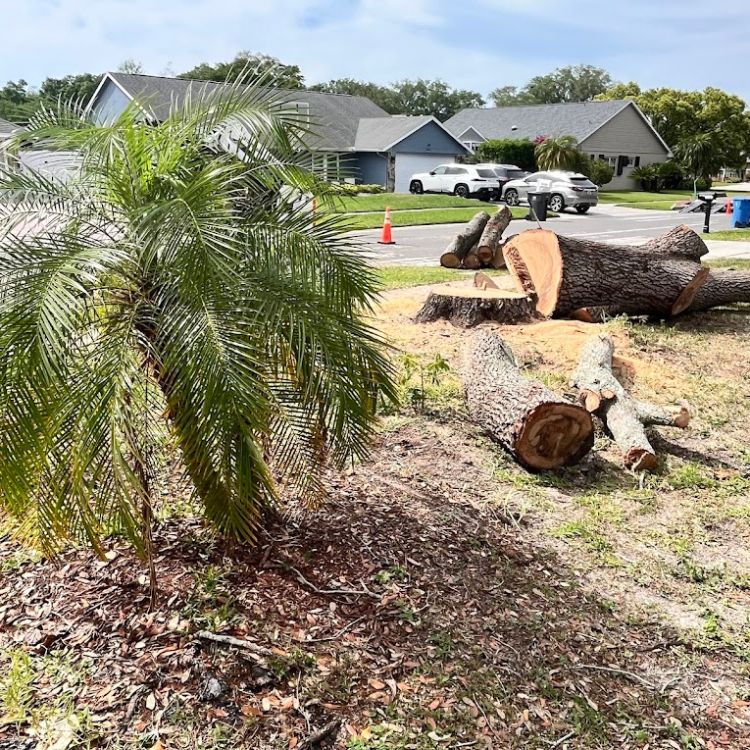
- Keep people and pets away from the tree and debris area.
- Check for power lines and do not approach if any lines are involved.
- Note where the tree or limbs are resting (roof, fence, driveway, landscaping).
- Look for signs of instability such as rocking, cracking, or hanging limbs.
- Clear a safe path for emergency response and service access.
- Decide what outcome you want first: hazard removal, full cleanup, stump grinding, or land clearing.
- After removal, plan follow-up for pruning or tree health assessment if needed.
Representative Scenario: A driveway-blocking fallen tree
Imagine a family in Valrico, TX who wakes up to find a large limb and part of the trunk down across the driveway. The tree is not fully on the ground, and a portion is still pressing into nearby branches, which could change if the wind picks up again. The homeowner keeps everyone inside, avoids moving the debris, and marks the blocked access route.
On arrival, a hazard-focused assessment determines which sections can be removed safely and in what sequence. After the immediate hazard is taken care of, the team clears remaining debris and addresses the stump area as needed, so the driveway and landscaping can return to normal. If nearby trees were affected by the same storm, a quick tree health assessment can help identify whether tree pruning or additional tree trimming is warranted.
Frequently Asked Questions
Should I try to move a fallen tree or cut it up myself?
In most storm scenarios, it is better to avoid DIY. Fallen and storm-damaged trees can be under tension, which means they may shift or drop unexpectedly when you move a branch or start cutting. There are also risks from hidden cracks, unstable root systems, and debris that can fall while being handled. If the tree is near structures or power lines, the safety risk increases. A professional assessment helps determine the safest sequence for tree cutting and removal so the hazard is reduced without creating new problems.
What if the tree is not completely down but is leaning?
A leaning tree after storm damage should be treated as unstable. Leaning often indicates root disturbance, trunk fractures, or shifting weight that can worsen with additional wind, vibration, or rain. Even if it seems “still,” a change in load can cause more movement. The safest approach is to keep clear, protect people and pets, and request an emergency hazard assessment. The outcome may involve controlled tree removal or targeted removal of specific sections, depending on the stability of the trunk and root area.
Do I need stump grinding after storm tree removal?
Often, yes. Stumps can be more than an eyesore. They can create trip hazards, interfere with mowing and landscaping, and make yard cleanup more difficult over time. If you plan to rework the area, stump grinding can create a safer, cleaner surface and help you move forward with landscaping or other property improvements. During the storm cleanup planning, ask how the stump area will be handled so you do not end up with a partially cleared yard that still needs follow-up.
Can storm damage affect nearby healthy trees?
Yes. Even if nearby trees look intact, the storm can expose weaknesses such as broken branches, compromised structure, or stress from wind movement. Sometimes the most visible damage is on one tree, while others show stress later. That is why a quick tree health assessment after cleanup can be helpful. If you notice cracks, unusual lean, dead branch tips, or widespread broken limbs across the property, it may be a sign that more than one tree needs attention, such as tree pruning or tree trimming to reduce future risk.
What services might I need after a storm, beyond removal?
Depending on what the storm left behind, you could need more than tree removal. Common follow-ups include tree trimming for damaged limbs, brush clearing for tangled debris, and stump grinding for stump removal. If debris blocks usable space across the lot, land clearing services may be part of the plan. If multiple areas were impacted, a coordinated approach helps restore access and reduce the chance of leftover hazards. A site assessment is the best way to match the right tree care services to what you actually have on your property.
Get your property stabilized in Valrico, TX
If you are dealing with fallen tree removal, hazardous branches, or cleanup after storm damage, Timber Kings Tree Service can help you decide the right next step for safe tree care.
Request emergency tree service
Timber Kings Tree Service provides tree care services for homeowners and property managers in Valrico, TX and surrounding areas. Their storm-focused approach helps address hazardous tree situations with practical tree removal, tree cutting, storm damage cleanup, stump grinding, and related lot land clearing support when debris affects daily use of your property.
To connect with the team, call (813) 701-0498 or visit timberkingstreeservice.com.