Posted onTrustindex verifies that the original source of the review is Google. I recently hired Timber KingsTree Services to address some overgrown trees in my yard, and I couldn't be more pleased with the results. From start to finish, their team exhibited utmost professionalism. They were punctual, efficiently carried out the trimming, and left my yard spotless. The attention to detail was evident in the well-shaped trees that now enhance my property. I appreciate their commitment to customer satisfaction and would highly recommend Timber Kings Tree Services for their expertise and excellent service.Posted onTrustindex verifies that the original source of the review is Google. These guys are top notch at there job. Great customer service an very knowledgeable an professional.Posted onTrustindex verifies that the original source of the review is Google. These guys have done a Ton of work for us. We had several old oaks that were damaged by storms in the past few years. They have trimmed trees as well as totally removed them when necessary. They are very professional and do a great job. They have made dealing with the aftermath of the past few storms easier to deal with. I highly recommend them!Posted onTrustindex verifies that the original source of the review is Google. Timber Kings just removed an oak tree from our property, and they were top notch from start to finish. Communicating with Chad was always prompt and professional. We reached out to a few companies, and Chad was BY FAR to easiest to communicate with as we prepared for a large tree removal. Chad kept us informed before, during, and after the project. The team worked hard, completed the project in one day, and cleaned up the site before requesting payment. We were fully satisfied with Timber Kings. Not only do we strongly recommend them, but we will also use them again in the future.Posted onTrustindex verifies that the original source of the review is Google. Timber Kings did a fantastic job cutting down a very large oak tree hanging over the house requiring a large crane. All the employees were very professional and left the yard clean of any debris. I would definitely recommend them for your tree work.Posted onTrustindex verifies that the original source of the review is Google. Good hard working group of guy thanks for a great job 👍 I would highly recommend timber king.Posted onTrustindex verifies that the original source of the review is Google. Great crew, fair priced and cleaned up perfectly.Posted onTrustindex verifies that the original source of the review is Google. Our Laurel Oak that came with the house died, and on Tuesday 8/22/23 one of the massive arms of the tree broke off. Same day Chad from Timber Kings came out to assess the situation. We initially got sticker shock on how much tree removal is, but if you haven't tried to remove a whole tree like what we had on your own, you would understand the amount of work and effort that goes into what they do. Our job was not a typical job. We have a septic tank, push pump, and drain field all around this tree. Multiple companies turned our job down because they didn't want to break anything around it. A typical cop and drop is not our situation. The knowledge and professionalism this company has shown goes far beyond and above any expectation I had. They lowered the limbs and chunks of the trunk properly and avoided everything! We thought they might have hit the septic tank. We had that checked the next day and everything was 100% up and running the way it should. When you are looking for the best, look no further. I trust them with any other complex situation including mine. Not only that, Today is 8/28/23. They removed the whole tree by squeezing us in on Thursday, and finishing the job Saturday. The tree fell less than a week ago! They also took care of my neighbors area, and cleaned up the mess. I can't thank them enough for everything they have done. They are the best for a reason!Posted onTrustindex verifies that the original source of the review is Google. Timber Kings was fantastic. We were able to get a quick estimate and service to take down an old oak before any hurricanes came for the season. Their team was professional and overall great to work with. Would absolutely recommendPosted onTrustindex verifies that the original source of the review is Google. Chad with timber kings tree service is amazing! Takes the time to educate on the process. Great pricing and was very responsive to my needs.
Expert Tree Service in Valrico, FL – Trusted Arborists
Timber Kings Tree Service, Valrico’s premier tree care specialists, offering a wide array of expert services to ensure the health and safety of your trees. Our team, composed of highly skilled, licensed, and insured professionals, is dedicated to providing exceptional tree care solutions tailored to the unique Florida landscape.
Why Choose Timber Kings Tree Service
Call Now! (813) 701-0498
Your Local Tree Care Experts
Timber Kings Tree Service is not just another tree service company; we are arborists passionate about preserving the natural beauty of Valrico’s landscapes. Our extensive experience in tree care allows us to provide insightful consultations and tailored services that meet the specific needs of each tree and client. Whether it’s nurturing young saplings or managing mature trees, our team applies the best practices in arboriculture to ensure healthy, vibrant trees that enhance your property’s value and appearance.
Why Choose Timber Kings Tree Service
Call Now! (813) 701-0498
Your Local Tree Care Experts
Timber Kings Tree Service is not just another tree service company; we are arborists passionate about preserving the natural beauty of Valrico’s landscapes. Our extensive experience in tree care allows us to provide insightful consultations and tailored services that meet the specific needs of each tree and client. Whether it’s nurturing young saplings or managing mature trees, our team applies the best practices in arboriculture to ensure healthy, vibrant trees that enhance your property’s value and appearance.
Our Comprehensive Tree Services
Maintaining Valrico’s Natural Beauty
Tree Removal
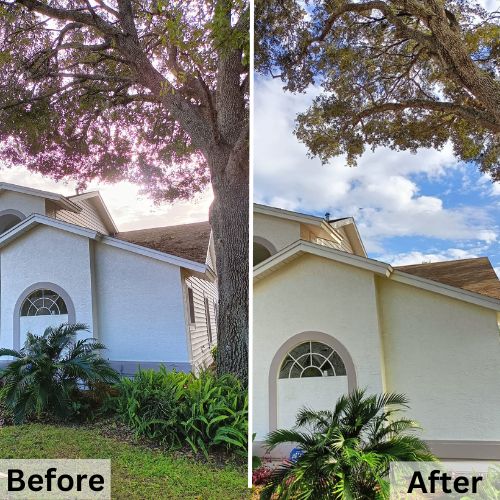
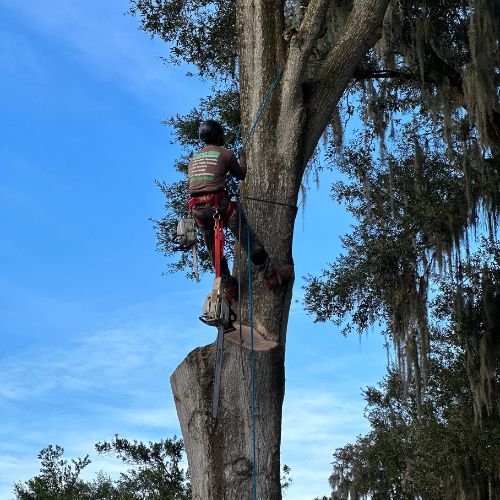
Tree removal, while sometimes necessary, is a delicate and complex process that requires professional handling. At Timber Kings, we specialize in safe and efficient tree removal, employing advanced techniques and equipment to handle trees of any size and condition. We perform a thorough assessment to determine the best approach for removal, ensuring the safety of your property and nearby structures. Our team also provides guidance on permits and regulations, making the process hassle-free for you.
Tree Trimming
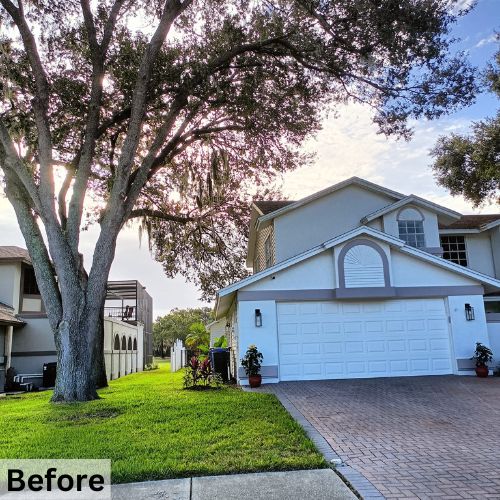
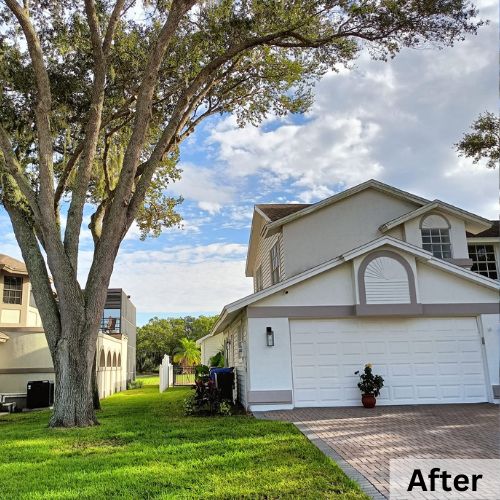
Tree trimming is an art and science that our arborists have mastered. Proper trimming promotes healthy growth, enhances tree shape, and reduces the risk of falling branches. We consider various factors like tree species, age, and health to determine the optimal trimming technique. Our goal is to enhance your tree’s natural form while ensuring its health and longevity, contributing to the overall beauty and safety of your landscape.
Our Comprehensive Tree Services
Maintaining Valrico’s Natural Beauty
Tree Removal
Tree removal, while sometimes necessary, is a delicate and complex process that requires professional handling. At Timber Kings, we specialize in safe and efficient tree removal, employing advanced techniques and equipment to handle trees of any size and condition. We perform a thorough assessment to determine the best approach for removal, ensuring the safety of your property and nearby structures. Our team also provides guidance on permits and regulations, making the process hassle-free for you.
Tree Trimming
Tree trimming is an art and science that our arborists have mastered. Proper trimming promotes healthy growth, enhances tree shape, and reduces the risk of falling branches. We consider various factors like tree species, age, and health to determine the optimal trimming technique. Our goal is to enhance your tree’s natural form while ensuring its health and longevity, contributing to the overall beauty and safety of your landscape.
What Our Clients Say
Specialized Tree Solutions
Advanced Care for Healthy Trees in Valrico
Stump Grinding
Stumps can be more than just an eyesore; they can pose tripping hazards and attract pests. Our stump grinding services are designed to completely remove the stump and roots, leaving your yard safe and aesthetically pleasing. We use top-of-the-line equipment to grind stumps to below ground level, allowing for easy restoration of the area with grass or plants.
Storm Damage
Florida’s weather can be unpredictable, and storm damage to trees can pose immediate risks. Our storm damage services are prompt and reliable, ensuring that damaged or fallen trees are dealt with swiftly and safely. We also offer preventative services, such as cabling and bracing, to reinforce trees against severe weather, minimizing potential damage.
Beyond Tree Care
Transforming Landscapes in Valrico, FL
Emergency Tree Service
Emergencies require immediate attention, and our emergency tree service is available around the clock to address any urgent tree-related issues. Whether it’s a fallen tree blocking your driveway or a hazardous branch after a storm, our team is equipped to respond quickly and effectively, minimizing damage and ensuring your safety.
Lot/Land Clearing
Our lot and land clearing services are comprehensive, catering to both residential and commercial clients. Whether preparing a site for construction or clearing overgrown land, we handle all aspects of the process, including tree removal, stump grinding, and debris disposal. Our team works efficiently to prepare your land for its next use, ensuring environmental responsibility and compliance with local regulations.
Specialized Tree Solutions
Advanced Care for Healthy Trees in Valrico
Stump Grinding
Stumps can be more than just an eyesore; they can pose tripping hazards and attract pests. Our stump grinding services are designed to completely remove the stump and roots, leaving your yard safe and aesthetically pleasing. We use top-of-the-line equipment to grind stumps to below ground level, allowing for easy restoration of the area with grass or plants.
Storm Damage
Florida’s weather can be unpredictable, and storm damage to trees can pose immediate risks. Our storm damage services are prompt and reliable, ensuring that damaged or fallen trees are dealt with swiftly and safely. We also offer preventative services, such as cabling and bracing, to reinforce trees against severe weather, minimizing potential damage.
Beyond Tree Care
Transforming Landscapes in Valrico, FL
Emergency Tree Service
Emergencies require immediate attention, and our emergency tree service is available around the clock to address any urgent tree-related issues. Whether it’s a fallen tree blocking your driveway or a hazardous branch after a storm, our team is equipped to respond quickly and effectively, minimizing damage and ensuring your safety.
Lot/Land Clearing
Our lot and land clearing services are comprehensive, catering to both residential and commercial clients. Whether preparing a site for construction or clearing overgrown land, we handle all aspects of the process, including tree removal, stump grinding, and debris disposal. Our team works efficiently to prepare your land for its next use, ensuring environmental responsibility and compliance with local regulations.