One violent thunderstorm is all it takes for a healthy-looking tree to turn into a serious threat. A heavy limb hanging over your roof, a leaning trunk creeping closer to power lines, or a tree already cracked and swaying in the wind can put your home, vehicles, and even your family at risk. In Valrico, FL, where sudden storms, high winds, and saturated soil are common, these dangers can escalate in minutes. When a tree begins to fail, every second spent wondering what to do is a second your property is left exposed.
Emergency tree services exist for exactly these moments. Instead of trying to assess the danger yourself or attempting risky DIY cutting, you can call trained professionals who know how to stabilize, remove, or prune hazardous trees under pressure. A true emergency tree response is not just about cutting wood; it is about protecting people, preserving property, and preventing a bad situation from becoming a disaster. Timber Kings Tree Service in Valrico, FL focuses on fast, safe, and strategic emergency work so that one bad storm does not turn into weeks of stress and expensive repairs.
Understanding how emergency tree services work, when to call for help, and what to expect when a crew arrives can make a huge difference in the outcome. With the right information, you can move quickly and confidently when a tree begins to fail, rather than panicking or waiting until the damage is done. By planning ahead and knowing who to call, you give yourself a powerful tool to protect your home, your business, and your peace of mind.
What Counts As A Tree Emergency?
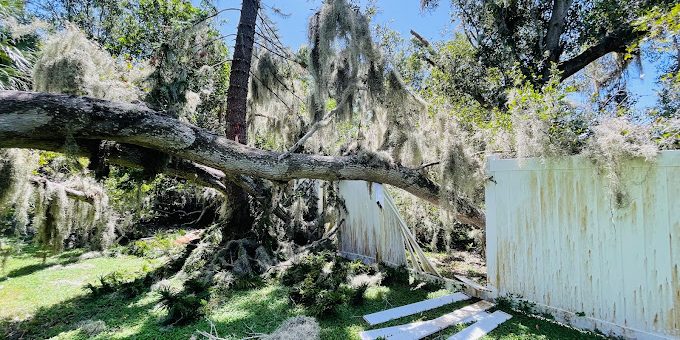
Not every leaning tree or broken branch qualifies as an emergency, but many situations become dangerous faster than property owners expect. A tree emergency generally involves an immediate or high risk of damage to structures, vehicles, power lines, or people. For example, a large oak with a split trunk leaning over your roof after a storm is an urgent threat, even if it has not yet fallen. The same is true for branches tangled in electrical lines, trees uprooted and resting on your fence, or massive limbs hanging loosely above a driveway.
In Valrico, FL, the combination of sandy soil, heavy rains, and strong winds can cause trees to uproot or tilt with little warning. A tree that seemed stable last season may suddenly begin to lean after a week of storms or during a tropical system. When the root system loses its grip, the entire tree can fail without much notice. Timber Kings Tree Service looks for specific warning signs during emergencies: fresh cracks in the soil around the base, exposed roots, newly formed splits in the trunk, and branches that are suspended or “hung up” in the canopy.
There are also hidden emergencies that homeowners might overlook. A tree that has been struck by lightning may appear intact at first glance but could be structurally compromised from the inside. A partially broken limb high in the canopy can drop later without warning, especially when winds pick up again. Even a tree that has already fallen can still be an emergency if it is resting on a roof, blocking access to your home, or creating pressure on a structure that could collapse. When in doubt, it is safer to have an expert assess the situation than to assume a damaged tree is harmless.
Why Speed Matters When Trees Fail
Time is a critical factor in any tree emergency. A cracked or leaning tree rarely improves on its own; it usually becomes more unstable as wind, rain, and gravity continue to work against it. Delaying a call for help can allow a manageable problem to escalate into a catastrophic failure. For instance, a large branch resting lightly on your roof might only cause minor shingle damage at first, but with continued pressure and movement, it can puncture the roof deck, break rafters, and allow water to pour into your home.
Fast response is especially important in the aftermath of Florida storms. In Valrico, emergency crews and utility companies are already stretched thin dealing with downed power lines and blocked roads. If you wait too long to contact a professional tree service, you may find yourself at the back of a long line of urgent calls. Timber Kings Tree Service prioritizes true emergencies, aiming to secure the scene and remove immediate dangers as quickly as conditions allow, which can reduce both physical damage and emotional stress.
There is also a safety reason to avoid delay: unstable trees behave unpredictably. A gust of wind at the wrong moment, shifting soil, or even vibrations from nearby traffic can cause a weakened tree or limb to give way. Homeowners sometimes make the mistake of trying to cut “just a small piece” themselves to relieve pressure, only to trigger a much larger collapse. Professional crews use controlled cutting techniques, rigging, and specialized equipment to manage these forces safely and systematically, reducing the chance of sudden failure.
How Professional Emergency Tree Service Works
When you call Timber Kings Tree Service for an emergency in Valrico, the first step is information gathering. The team will ask key questions: Is the tree touching your home or power lines? Is anyone injured? Is the area safe to approach? Photos or videos can help them understand the severity before they arrive. This initial assessment allows the crew to bring the right equipment, such as cranes, bucket trucks, rigging gear, or heavy-duty chainsaws, depending on the complexity of the situation.
Once on-site, the crew’s first priority is safety. They will evaluate the tree’s condition, the stability of the surrounding area, and any hazards such as electrical lines, gas meters, or damaged structures. In some cases, they may coordinate with utility companies if a tree is entangled with live wires. The crew then develops a plan of action: where to make cuts, how to secure branches, and how to lower or remove sections without causing additional damage to your property.
Emergency work often involves techniques that differ from routine tree trimming. Crews may use ropes and pulleys to carefully lower heavy limbs piece by piece, preventing them from crashing onto roofs or vehicles. If a tree is lying on a structure, they must relieve pressure gradually, ensuring that the building does not shift or collapse as the weight changes. In extreme cases, a crane may be used to lift large sections away safely. After the immediate danger is removed, Timber Kings Tree Service can also handle debris cleanup, cutting the wood into manageable pieces, chipping branches, and leaving your property as orderly as possible under the circumstances.
Common Tree Emergencies In Valrico
Valrico’s weather and environment create a unique mix of tree-related risks. Thunderstorms with strong gusts can snap brittle branches or topple shallow-rooted trees. Tropical storms and hurricanes bring prolonged winds and saturated soil, which can loosen roots and cause entire trees to lean or uproot. Even outside of storm season, sudden microbursts or squall lines can break limbs that have been weakened by age, insects, or disease.
One frequent emergency involves large live oaks, which are common and often beautiful features on Valrico properties. While generally strong, their immense size means that any failure can be devastating. A single heavy limb overhanging a roof or driveway can weigh hundreds of pounds. When such a limb cracks or partially detaches, it becomes a ticking time bomb. Another common scenario is pine trees with compromised root systems; these can snap or fall with surprising speed during high winds, sometimes taking nearby trees or structures with them.
There are also emergencies caused by long-term neglect. Trees that have not been pruned properly, or that have grown too close to structures, become more dangerous over time. Co-dominant stems (two main trunks growing together), weak branch attachments, and internal decay all increase the likelihood of breakage. Timber Kings Tree Service frequently responds to emergencies where earlier preventive trimming or removal could have avoided the crisis altogether. Recognizing these patterns is one reason professional evaluations are so valuable before storm season hits.
Prevention: Your Best Defense Against Emergencies
While no one can control the weather, property owners can dramatically reduce tree-related risks through regular care and inspection. Preventive maintenance is often far less expensive and stressful than dealing with a full-blown emergency. A certified and experienced tree professional can identify structural weaknesses, signs of disease or decay, and risky branch patterns that are not obvious to the untrained eye. By addressing these issues early, you lower the chances that a storm will turn your trees into hazards.
Strategic pruning is one of the most effective preventive measures. Properly thinning the canopy can reduce wind resistance, making it less likely that branches will snap or the entire tree will uproot. Removing dead, dying, or weakly attached limbs keeps them from becoming projectiles in high winds. In some cases, cabling or bracing may be recommended to support heavy limbs or multiple trunks. Timber Kings Tree Service can develop a customized maintenance plan for properties in Valrico, taking into account tree species, age, placement, and your specific concerns.
Sometimes, prevention means making the difficult decision to remove a tree before it fails. A tree that is too close to your home, severely decayed, or leaning dangerously may pose an unacceptable risk, especially in a storm-prone area. Although many homeowners feel emotionally attached to mature trees, it is important to balance that attachment against the potential cost of roof damage, broken windows, or personal injury. By removing high-risk trees under controlled, non-emergency conditions, you avoid the chaos and higher costs that can come with last-minute crisis work.
What To Do Before The Crew Arrives
When you realize you are facing a tree emergency, there are several steps you can take to protect your property and keep everyone safe while you wait for professional help. First, keep people and pets away from the danger zone. That includes not only the area directly under the damaged tree or limb but also nearby spaces where debris could fall or the tree could shift. If the tree is near power lines, stay well back and avoid touching any metal fences, vehicles, or water that might conduct electricity.
Next, document the situation with photos or video, if it is safe to do so. These images can be helpful both to the tree service responding and for insurance purposes later. Take wide shots showing the entire tree and property, as well as close-ups of damage to roofs, fences, or other structures. Do not climb onto your roof or attempt to cut or move branches yourself; the risk of injury is high when trees are unstable, and a misstep can make the situation worse.
Finally, gather any important information the tree service might need: your exact address, details about access (gates, narrow driveways, overhead wires), and a description of the tree’s location relative to your home. When Timber Kings Tree Service arrives, they can move more quickly if they already understand the layout and hazards. If your emergency is part of broader regional damage from a major storm, patience and clear communication will help ensure your property is secured as efficiently as possible.
Frequently Asked Questions
How do I know if my situation is a true tree emergency? A tree emergency typically involves an immediate threat to people, buildings, vehicles, or utility lines. If a tree or large limb is resting on your roof, leaning sharply after a storm, blocking your driveway or entry, or entangled with power lines, you should treat it as an emergency. Even if the tree has not yet fallen, visible cracks, sudden leaning, or hanging branches that could drop at any moment are strong signs you need urgent professional help.
Will my homeowner’s insurance cover emergency tree removal? Coverage varies by policy and by the specific circumstances of the damage. In many cases, insurance will help pay for tree removal when the tree has fallen on a covered structure like your home, garage, or fence. If the tree simply falls in your yard without damaging anything, coverage may be limited or not available. It is important to contact your insurance company as soon as possible, document the scene with photos, and keep receipts for any emergency work performed by Timber Kings Tree Service. They can often coordinate with you to provide the information your insurer needs.
Is it safe for me to cut or move branches after a storm? In most emergency situations, it is not safe for homeowners to attempt cutting or moving branches, especially large ones or those under tension. Trees that have fallen or partially broken often trap energy in twisted limbs and compressed wood. Cutting in the wrong place can release that energy suddenly, causing branches to snap back or roll unpredictably. There is also a serious risk of contact with hidden power lines. For your safety, it is best to leave cutting and removal to trained professionals with the right equipment and experience.
Can emergency tree services also help prevent future damage? Yes. While the immediate goal of emergency service is to remove or stabilize current hazards, a good tree company will also look ahead. After the crisis is resolved, Timber Kings Tree Service can inspect your remaining trees, identify other potential risks, and recommend pruning, support systems, or removals that could prevent future emergencies. Turning a one-time crisis call into an ongoing care plan is one of the smartest ways to protect your property long term.
What should I ask when choosing an emergency tree service? When selecting a company to handle urgent tree work, ask about their experience with storm-related damage and complex removals, whether they are insured, and how they prioritize emergency calls. It is also wise to ask how they protect your property during the process, such as using rigging to avoid dropping heavy wood onto roofs or landscaping. In Valrico, FL, Timber Kings Tree Service has extensive experience handling Storm Damage and emergency situations, focusing on both safety and property protection from the first assessment to the final cleanup.