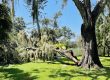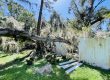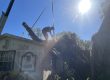
Most homeowners underestimate how violent storm damage to trees can be. They picture a few fallen branches in the yard and assume a rake, a chainsaw, and an afternoon of work will fix everything. What they do not see at first glance are the hidden cracks in large limbs, the twisted root systems, and the heavy, partially broken branches hanging overhead like loaded traps. After a storm rolls through Valrico, FL, the real danger often begins when people start walking under and around damaged trees without realizing how unstable they have become.
Emergency tree service is not just about cutting up what has already fallen; it is about preventing the next failure. A leaning tree that made it through the storm may still be one strong gust away from collapsing on a roof, vehicle, or power line. A branch lodged in another tree can drop days later in a light breeze. That is why professional emergency response from a company like Timber Kings Tree Service is focused on quick assessment, hazard removal, and stabilizing what can be saved, rather than just hauling debris. The goal is to keep your property safe today and reduce the chance of another disaster tomorrow.
In places like Valrico, where summer thunderstorms, tropical systems, and sudden wind events are part of life, having a plan for storm damage is as important as having batteries in the flashlight drawer. Knowing when to call for emergency tree service, what to expect from the crew, and how to avoid common post-storm mistakes can make the difference between a manageable cleanup and a costly, dangerous situation. Understanding how emergency tree specialists operate helps you act quickly and confidently when the weather turns violent.
Why Storm-Damaged Trees Are So Dangerous
Storm-damaged trees can look deceptively stable. A large oak might still be standing in your yard, but heavy winds and saturated soil may have shifted its root plate just enough to weaken its grip in the ground. From the street it appears upright; from the base, a trained eye can see a slight heave in the soil or a gap at one side of the trunk. That is the kind of subtle warning sign that emergency tree professionals look for, because it often means the tree is at high risk of falling without much notice.
Broken and hanging limbs are another major hazard after storms. These are often called “widowmakers” in the tree care industry for a reason. A branch can be partially cracked high in the canopy, hidden by leaves, and still weigh hundreds of pounds. Homeowners walking, playing, or working beneath that canopy may have no idea that a minor vibration, a gust of wind, or even the sound of a nearby chainsaw could be enough to shake that limb free. Timber Kings Tree Service crews are trained to identify and safely remove these threats using ropes, rigging, and controlled cuts.
Storms also introduce what professionals call “loaded” or “tensioned” wood. When a tree or large limb falls and gets pinned on another tree, fence, or structure, the wood can be under extreme internal pressure. Cutting these pieces incorrectly can cause the wood to spring, roll, or snap with explosive force. This is one of the main reasons emergency tree work is so dangerous for untrained individuals. The crew’s experience, equipment, and planning are what prevent those sudden, violent movements from causing injuries or further damage.
What Emergency Tree Service Really Includes
Many people think emergency tree service is just a faster version of regular tree work. In reality, it is a specialized response designed for unstable conditions, partial failures, and immediate risks. When Timber Kings Tree Service responds to storm damage in Valrico, the first priority is not cleanup; it is hazard assessment. Crews look for downed power lines, compromised structures, and unsafe trees that could fail while work is underway. This initial walk-through determines where they can safely set up equipment and how they will tackle the job.
Once the site is assessed, the team focuses on removing immediate threats. This often means dealing first with trees or limbs resting on roofs, vehicles, or blocking driveways and access points. Specialized techniques, such as using cranes, aerial lifts, and complex rigging systems, allow them to lift or section wood away from structures with precision. Instead of just cutting and hoping gravity cooperates, they control every movement of heavy pieces to avoid further property damage.
After the most dangerous and urgent issues are handled, the next phase is stabilization and mitigation. This can include pruning broken limbs that are still attached, cabling or bracing partially damaged trees that can be safely retained, and clearing safe pathways around the property. The final phase is debris management: cutting, stacking, chipping, or hauling away the remaining material. Throughout each step, the crew is constantly reassessing conditions because storm-damaged trees can shift or change as weight is removed.
Why Professional Help Beats DIY After a Storm
In the hours after a storm, it is natural to want to jump in and start cutting fallen branches yourself. However, storm damage creates conditions that are very different from routine pruning or yard work. Trees are twisted, pinned, and partially broken in ways that are difficult to read without training. A cut that seems harmless can suddenly release tension, causing a log to roll, snap, or swing into someone. This is why, every year, emergency rooms see serious injuries from chainsaw mishandling and falling branches after storms.
Professional arborists and emergency crews bring more than just bigger chainsaws. They arrive with personal protective equipment, specialized saws and bars, rigging ropes, lowering devices, wedges, and sometimes cranes or bucket trucks. More importantly, they bring a systematic approach to evaluating cuts and loads. Timber Kings Tree Service, for example, will plan each significant cut by considering where weight will shift, how the wood is supported, and what could happen if something gives way unexpectedly.
There is also the question of liability and insurance. When a homeowner attempts to remove a storm-damaged tree and inadvertently causes it to fall on a neighbor’s property, a vehicle, or a structure, the resulting damage can quickly exceed the cost of professional service. In contrast, reputable companies are insured and trained to minimize risk. In many cases, insurance adjusters prefer to see that a licensed tree service handled the dangerous work, especially when structures are involved. Calling in the professionals is not just safer for your body; it is often safer for your wallet.
How Timber Kings Responds in Valrico
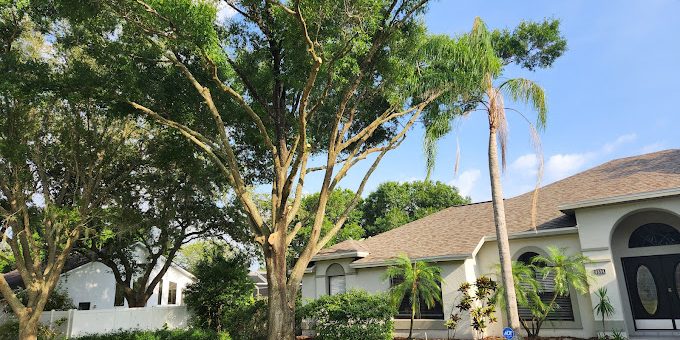
Valrico, FL has a unique mix of tree species and weather patterns that influence how emergency tree service is performed. Large live oaks with expansive canopies, pines with tall, slender trunks, and ornamental trees around homes all react differently to high winds and saturated soils. Timber Kings Tree Service is familiar with these local species and the common failure patterns that storms create. That local knowledge speeds up assessments and helps crews predict which trees are likely to pose ongoing problems.
When a call comes in for storm damage, response is prioritized based on urgency. A tree that has fallen across a driveway but is stable will be treated differently from one that is leaning onto a roof or entangled with power lines. For critical situations, crews mobilize quickly with the equipment needed for that specific scenario. Sometimes that means sending a bucket truck to access high, broken limbs; other times it requires ground crews with heavy rigging gear to dismantle a large, compromised trunk section by section.
Communication with the property owner is a key part of the process. Storms are stressful, and seeing your trees damaged can be emotional. Timber Kings Tree Service takes time to explain what they see, what must be removed immediately, what can wait, and what might be saved. This helps homeowners in Valrico make informed decisions instead of feeling pressured into removing every tree that shows damage. In many cases, strategic pruning and structural improvements can restore a tree’s safety and health rather than resorting to removal.
Preventive Steps Before The Next Storm
Emergency tree service is reactive by nature, but many of the worst outcomes can be reduced with proactive care. Regular inspections by a qualified tree professional can identify structural weaknesses long before a storm exploits them. Cracks, decay pockets, co-dominant stems, and overextended limbs can often be corrected through pruning, cabling, or bracing. For properties in Valrico, scheduling a pre-storm season inspection is a smart strategy, especially if large trees are close to homes, driveways, or power lines.
Proper pruning is one of the most effective defenses against storm damage. Trees that have been “topped” or improperly cut in the past often develop weak, fast-growing shoots that break easily in high winds. In contrast, trees that are pruned to encourage strong branch structure and balanced canopies are more resilient. Timber Kings Tree Service focuses on structural pruning that reduces sail area, removes weak attachments, and distributes weight more evenly, making trees better able to withstand storms.
Soil conditions and root health also play a big role in storm resilience. Compacted soil, poor drainage, and damage from construction can all weaken a tree’s anchoring system. In a place like Valrico, where heavy rains can quickly saturate the ground, compromised roots are a major factor in uprooting. Addressing soil issues, avoiding root damage during landscaping, and monitoring leaning trees over time are all part of a long-term strategy that can reduce the need for emergency intervention later.
What To Do Immediately After a Storm
Once the storm has passed and it is safe to go outside, your first step should be a cautious visual survey from a distance. Look for trees that are leaning more than before, branches hanging or lodged in other trees, and any contact with power lines. If you see wires involved, stay well away and call the utility company before anyone attempts tree work. Even if a line appears dead, it can be energized unexpectedly, and only trained utility or coordinated professionals should operate near it.
Take photos of visible damage to both trees and structures before any cleanup begins. These images can be extremely helpful for insurance claims and for communicating the situation to an emergency tree service. When you contact Timber Kings Tree Service, providing clear descriptions and photos allows them to prioritize your call and arrive with the appropriate equipment. Avoid climbing ladders, entering heavily wooded areas with obvious damage, or attempting to cut large pieces yourself, especially if you are unsure how they are supported.
While waiting for professional help, keep people and pets away from damaged trees and cordon off any obviously dangerous zones with tape, cones, or temporary barriers if you have them. Do not park vehicles under trees that you suspect are compromised, even if they appear stable at the moment. Remember that some failures occur hours or days after the storm as winds pick up again or as the tree continues to shift. Treat every damaged tree as a potential hazard until it has been evaluated by a professional.
Frequently Asked Questions
How do I know if I need emergency tree service or if it can wait? If a tree or large limb is on a structure, blocking access, entangled with power lines, or visibly unstable (leaning, cracked, or hanging), you should treat it as an emergency. In Valrico, where storms can roll through in waves, it is important to remove immediate hazards before the next round of weather arrives. If damage is limited to small fallen branches on the ground and there are no signs of instability, the work may be scheduled as non-emergency. When in doubt, a quick call and description to Timber Kings Tree Service can help determine the urgency.
Will my homeowner’s insurance cover emergency tree removal? Coverage varies by policy, but many homeowner’s insurance plans will help pay for removal of trees or limbs that have fallen on covered structures such as homes, garages, or fences. They may also contribute to debris removal up to a certain limit. However, trees that fall without damaging a covered structure may not be fully covered. It is wise to document all damage with photos, review your policy, and contact your insurer promptly. Using a professional service and keeping their invoice can make the claims process smoother.
Can a storm-damaged tree be saved, or does it always need to be removed? Not all damaged trees need to come down. The decision depends on the extent and type of damage, the tree’s overall health, and its location. If the main trunk is intact, roots are stable, and damage is limited to certain limbs, strategic pruning and possibly cabling or bracing may restore safety and function. Timber Kings Tree Service often evaluates whether a tree still has a strong structure and reasonable life expectancy before recommending removal. In some cases, however, severe trunk splits, major root failure, or extensive decay make removal the safest option.
How quickly can a company respond after a major storm? Response time depends on the severity of the storm and the volume of calls, but emergency tree services prioritize the most dangerous situations first. Trees on homes, blocking emergency access, or involving utilities are typically addressed as soon as possible. In widespread events, crews may work extended hours to stabilize the most critical sites. Contacting a local provider like Timber Kings Tree Service early, through a dedicated line such as their Emergency Tree Service, increases the chances of faster response, especially if you can clearly describe the urgency.
Is there anything I can do now to reduce future storm damage? Yes. Regular professional inspections, proper structural pruning, and attention to root and soil health significantly reduce the risk of catastrophic failures. Removing dead or severely compromised trees before storm season, thinning overly dense canopies, and addressing poor pruning from past work all help your trees withstand high winds. In Valrico, scheduling periodic evaluations with a trusted local tree service ensures that your landscape is prepared as much as possible for the next round of severe weather, making your property safer and potentially avoiding costly emergency calls later.